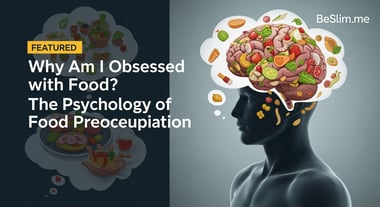
Hello, I'm Master Kim, your Behavioral Psychologist and Solution Consultant at BeSlim.me. If you've ever found yourself reaching for that extra slice of cake or bag of chips, even when you're not hungry, and wondered why it's so hard to stop, you're not alone. This struggle with overeating can feel overwhelming and frustrating, like your brain is wired against you. It's completely normal to question if there's something deeper at play, such as Reward Deficiency Syndrome (RDS). In this Q&A explainer, we'll dive into what RDS is, how it might connect to your overeating habits, and most importantly, how you can address it with practical, science-backed strategies. Remember, understanding this is the first step toward reclaiming control—let's explore together.
The 'Why' Diagnosis: Understanding Reward Deficiency Syndrome and Overeating
What exactly is Reward Deficiency Syndrome (RDS)?
Reward Deficiency Syndrome, or RDS, is a concept rooted in behavioral psychology and neuroscience that describes a dysfunction in the brain's reward system. At its core, RDS means your brain doesn't produce or respond to "feel-good" chemicals like dopamine as effectively as it should. Dopamine is the neurotransmitter responsible for signaling pleasure and motivation—it's what makes activities like eating, exercising, or socializing feel rewarding. When this system is deficient, everyday pleasures don't hit the same way, leading people to seek out stronger stimuli to fill that void. This can manifest in various addictive behaviors, including overeating, as food—especially sugary or fatty options—provides a quick dopamine hit.
Scientifically, RDS is often linked to genetic factors, where certain variations in dopamine-related genes (like the DRD2 gene) reduce the number or efficiency of dopamine receptors in the brain. This creates a "reward deficit," making it harder to feel satisfied from normal activities. According to research, genetic predispositions in dopamine pathways can contribute to RDS and related addictive behaviors, explaining why some people are more prone to seeking rewards through food. It's not about lacking willpower; it's a biological hurdle that can be exacerbated by stress, poor sleep, or environmental factors.
How does RDS relate to overeating specifically?
Overeating in the context of RDS often stems from what's called a "habit loop" in behavioral science—a cycle of cue, routine, and reward, as popularized by psychologist Charles Duhigg. For someone with RDS, the brain craves that dopamine surge, and food becomes an easy, accessible routine to trigger it. Think of it like this: Chronic stress or emotional lows act as cues, prompting you to eat comfort foods that temporarily boost dopamine, reinforcing the habit. Over time, this can lead to emotional eating or binge episodes, where you're not eating for hunger but for that elusive sense of satisfaction.
Hormonally, this ties into the stress-cortisol link. Elevated cortisol from stress can disrupt dopamine signaling, worsening RDS symptoms and increasing cravings for high-reward foods. A study highlights how chronic stress alters dopamine release in the brain's reward centers, making overeating a coping mechanism. It's important to note that RDS isn't just about food; it can overlap with other issues like addiction to substances or even gambling, but in the realm of eating behaviors, it often explains why diets fail—your brain is essentially "under-rewarded," pushing you to compensate.
Is RDS the only reason for overeating, or could it be something else?
Not necessarily—overeating can have multiple roots, including hormonal imbalances like insulin resistance, environmental triggers (e.g., constant food ads), or learned behaviors from childhood. However, RDS is a key player for many, especially if you notice patterns like chasing "highs" from junk food but feeling empty afterward. If this resonates, consulting a healthcare professional for genetic testing or brain scans can provide clarity, but behavioral insights alone can make a big difference.
In essence, RDS isn't a personal failing; it's a scientifically recognized condition that affects how your brain processes rewards. By understanding this, you're empowering yourself to break the cycle without self-blame.
Actionable Solutions: Strategies to Overcome RDS-Driven Overeating
Now that we've unpacked the "why," let's focus on the "how." As a behavioral psychologist, I emphasize sustainable changes rooted in science, like rewiring habit loops and boosting natural dopamine through non-food rewards. Below, I'll outline five specific, step-by-step strategies you can start today. Each includes practical examples to make them relatable and easy to apply. Remember, consistency is key—aim to integrate one or two at a time for lasting results.
Strategy 1: Identify and Disrupt Your Habit Loops
Habit loops are the psychological foundation of RDS-fueled overeating, where cues lead to routines (eating) for rewards (dopamine). Breaking them starts with awareness.
- Track your triggers: For one week, keep a simple journal noting when and why you overeat. Ask: What emotion or situation preceded it? (E.g., "Stress from work led to snacking on cookies.")
- Interrupt the routine: When a cue hits, pause for 10 seconds and replace eating with a non-food action, like deep breathing or a quick walk.
- Replace the reward: Follow up with a healthy dopamine booster, such as listening to uplifting music.
Example: If evening boredom cues overeating, set a phone reminder to journal instead, then reward yourself with a favorite podcast. This rewires the loop over time, reducing reliance on food for satisfaction.
Strategy 2: Boost Natural Dopamine Through Movement and Novelty
Since RDS involves low dopamine sensitivity, incorporating activities that naturally enhance it can reduce food cravings without overwhelming your system.
- Start small with exercise: Aim for 10-15 minutes of moderate activity daily, like brisk walking, which releases dopamine and endorphins.
- Incorporate novelty: Try new hobbies or variations in routines, as novelty stimulates dopamine pathways.
- Track progress: Use an app to log how these activities make you feel, reinforcing the positive loop.
Example: If you overeat after a sedentary day, swap scrolling social media for a dance video tutorial. Research shows regular physical activity can improve dopamine receptor function in reward-deficient individuals, helping you feel more fulfilled without extra calories.
Strategy 3: Practice Mindful Eating to Re-Sensitize Rewards
Mindfulness helps recalibrate your brain's response to food, making smaller portions feel more rewarding and countering RDS's "deficit" effect.
- Eat without distractions: Sit down for meals without screens, focusing on flavors and textures.
- Use the 20-minute rule: Eat slowly, pausing halfway to assess fullness—this allows dopamine signals to register properly.
- Savor non-food rewards: After eating, note three things you're grateful for to extend the satisfaction.
Example: During dinner, chew each bite 20 times and describe the taste aloud. This technique, drawn from behavioral therapy, can reduce overeating by 20-30% by enhancing perceived rewards from food itself.
Strategy 4: Manage Stress to Stabilize Hormones
Stress elevates cortisol, which disrupts dopamine and amplifies RDS symptoms, so targeted stress reduction is crucial.
- Daily stress audit: At day's end, rate your stress (1-10) and identify one reducer, like meditation.
- Incorporate relaxation techniques: Practice 5 minutes of progressive muscle relaxation or guided imagery before meals.
- Build a support network: Share your goals with a friend for accountability, reducing isolation-driven eating.
Example: If work stress leads to late-night binges, end your day with a warm bath and herbal tea. This lowers cortisol, preserving dopamine balance for better habit control.
Strategy 5: Gradually Introduce Dopamine-Healthy Nutrition
Nutrient-dense foods support brain chemistry, helping to mitigate RDS without drastic changes.
- Focus on precursors: Include tyrosine-rich foods (e.g., eggs, almonds) that aid dopamine production.
- Balance meals: Aim for protein, healthy fats, and fiber in each meal to stabilize blood sugar and cravings.
- Experiment mindfully: Swap one processed snack for a nutrient-packed alternative weekly, noting mood improvements.
Example: Replace sugary cereal with oatmeal topped with nuts and berries. Over time, this sustains energy and dopamine, making overeating less appealing.
These strategies are designed for immediate implementation but build toward long-term change. Start with what feels doable, and adjust as needed—progress, not perfection, is the goal.
Encouragement Closing
You've taken a powerful step by exploring RDS and its role in overeating—knowledge like this is the foundation of real transformation. Remember, change isn't about overnight fixes; it's about compassionate, consistent efforts that honor your brain's unique wiring. With these tools, you're equipped to nurture healthier rewards and break free from the cycle. You're capable, resilient, and worthy of feeling in control—keep going, one mindful choice at a time. If you need more personalized guidance, BeSlim.me is here to support you.
References
- Genetic predispositions in dopamine pathways can contribute to RDS and related addictive behaviors - ncbi.nlm.nih.gov
- Chronic stress alters dopamine release in the brain's reward centers - mayoclinic.org
- Regular physical activity can improve dopamine receptor function in reward-deficient individuals - healthline.com


Medical Disclaimer
The content on this website is for informational and educational purposes only. It is not intended as medical advice and should not be relied upon as a substitute for consultations with qualified healthcare professionals who are familiar with your individual medical needs. Always seek the advice of your physician or other qualified healthcare provider with any questions you may have regarding a medical condition. Never disregard professional medical advice or delay in seeking it because of something you have read on this website.