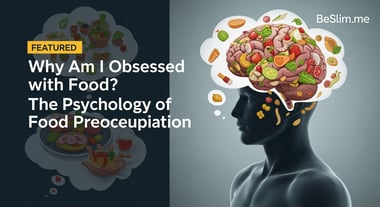
Hello, I'm Master Kim, your Behavioral Psychologist and Solution Consultant at BeSlim.me. If you're here, you might be feeling frustrated with your weight loss journey—perhaps you're turning to food for comfort more often than you'd like, or those healthy habits just don't seem to "stick" no matter how hard you try. You're not alone in this struggle; many people experience a deep-seated pull toward rewarding behaviors that sabotage their goals. This is completely normal, and it's often rooted in something called Reward Deficiency Syndrome (RDS). In this Q&A guide, we'll explore what RDS is, why it happens, and most importantly, how you can overcome it with practical, science-backed steps. Let's dive in with empathy and actionable insights to help you reclaim control.
Q: What Exactly Is Reward Deficiency Syndrome?
A: Reward Deficiency Syndrome (RDS) is a concept from behavioral psychology that describes a dysfunction in the brain's reward system, making it harder to feel satisfied from everyday pleasures or healthy activities. Imagine your brain's "reward center" as a thermostat that's set too low—it doesn't register the joy from things like a brisk walk or a nutritious meal as strongly as it should. Instead, you might crave high-reward stimuli, like sugary foods or binge-watching, to fill that void. This isn't about lacking willpower; it's a neurochemical imbalance often linked to genetics, stress, or lifestyle factors.
At its core, RDS involves the dopamine system, the neurotransmitter responsible for motivation and pleasure. When dopamine pathways are underactive, people seek out intense rewards to compensate, which can lead to addictive behaviors, including emotional eating or overeating. For instance, if you're on a weight loss journey with BeSlim.me, RDS might explain why that chocolate bar feels like the ultimate pick-me-up after a stressful day, even when you know it's derailing your progress. According to research, genetic variations can contribute to reward deficiency, making some individuals more prone to seeking external rewards like food.
This syndrome isn't just a buzzword—it's supported by studies showing links to obesity, addiction, and even depression. But the good news? Understanding RDS is the first step to rewiring it, and it's entirely fixable with targeted behavioral changes.
Q: Why Do I Have Reward Deficiency Syndrome? What's the Underlying Cause?
A: Let's break this down into the psychological, behavioral, and hormonal reasons behind RDS, using accessible science to make it clear without overwhelming you. At the heart of RDS is a disruption in your brain's reward circuitry, particularly the mesolimbic pathway, which handles dopamine release. Dopamine acts like a "feel-good" signal, reinforcing behaviors that promote survival, like eating or socializing. When this system is deficient, everyday activities don't trigger enough dopamine, leading to a constant search for bigger "hits."
Psychological Basis
Psychologically, RDS often stems from chronic stress or early life experiences that alter how your brain processes rewards. For example, if you've dealt with prolonged anxiety, your brain might downregulate dopamine receptors to cope, creating a cycle where only high-stimulation activities (like eating comfort foods) provide relief. This ties into habit loops, as described by behavioral scientists: cue (stress), routine (eating), reward (temporary dopamine spike). Over time, this loop strengthens, making healthy alternatives feel unrewarding. Research from the National Institutes of Health highlights how chronic stress reduces dopamine sensitivity in the brain, exacerbating RDS and leading to emotional eating patterns common in weight loss struggles.
Behavioral Factors
Behaviorally, modern lifestyles play a huge role. We're bombarded with hyper-palatable foods engineered to hijack our reward systems—think ultra-processed snacks that deliver quick dopamine surges far beyond what natural foods provide. If your daily routine lacks variety or meaningful engagement, your brain adapts by craving these artificial rewards. Willpower depletion comes into play here too; after a day of decision-making, your prefrontal cortex (the "control center") fatigues, making it easier to default to rewarding but unhealthy habits. Studies show that repeated exposure to these stimuli can lead to tolerance, where you need more to feel the same satisfaction, much like in addiction.
Hormonal Influences
Hormonally, imbalances in stress hormones like cortisol can worsen RDS. High cortisol from ongoing stress suppresses dopamine production, creating a feedback loop of reward-seeking behavior. For women, hormonal fluctuations during menstrual cycles or menopause can amplify this, while in men, low testosterone might contribute. The Mayo Clinic explains that hormonal imbalances can disrupt the brain's reward pathways, linking RDS to conditions like obesity and compulsive overeating. In the context of BeSlim.me, this explains plateaus: your body might resist weight loss because it's clinging to food as a primary reward source.
In essence, RDS isn't a personal failing—it's a scientifically grounded response to internal and external pressures. By addressing these roots, we can rebuild a healthier reward system.
Q: How Can I Fix Reward Deficiency Syndrome? What Are Some Actionable Strategies?
A: Fixing RDS is about rewiring your brain through sustainable behavioral changes, not quick fixes. The key is to gradually boost natural dopamine sources while disrupting unhelpful habit loops. Below, I'll outline five specific, step-by-step strategies you can start today. Each one is rooted in behavioral science, with examples tailored to emotional eating or weight loss hurdles. Remember, consistency is key—aim to implement one or two at a time for lasting results.
Strategy 1: Build Micro-Rewards into Daily Habits
Start small to retrain your brain's reward sensitivity. The science here draws from neuroplasticity, where repeated positive actions strengthen dopamine pathways over time.
- Step 1: Identify low-effort healthy activities, like a 5-minute walk or preparing a fresh salad.
- Step 2: Pair them with an immediate micro-reward, such as listening to your favorite podcast during the walk.
- Step 3: Track progress in a journal, noting how it feels—over weeks, this builds intrinsic motivation.
- Example: If emotional eating hits after work, replace it with a quick stretch session followed by a herbal tea. Scenario: Sarah, a BeSlim.me user, used this to shift from evening snacking to reading, finding the calm more rewarding than chips after just two weeks.
This approach fosters sustainable change by making healthy behaviors feel inherently pleasurable.
Strategy 2: Practice Mindful Dopamine Detox
A "dopamine detox" reduces overstimulation to reset your reward threshold, based on research showing that limiting high-reward inputs enhances sensitivity to subtler joys.
- Step 1: Choose one day a week for a detox—avoid screens, processed foods, and caffeine after noon.
- Step 2: Replace them with low-stimulation activities like journaling or nature walks.
- Step 3: Reflect afterward: What natural rewards (e.g., birdsong) did you notice? Gradually extend to daily limits.
- Example: For stress-related bingeing, detox by turning off notifications during meals. John, dealing with work stress, found that detox evenings led to enjoying family dinners more, curbing his late-night ice cream habit.
This strategy promotes balance, helping you appreciate rewards without excess.
Strategy 3: Incorporate Novelty and Social Rewards
Novel experiences spike dopamine naturally, countering RDS by activating underused brain pathways. Behavioral studies emphasize social connections for amplified rewards.
- Step 1: Introduce one new activity weekly, like trying a new recipe or hobby class.
- Step 2: Involve others—share the experience with a friend or online community.
- Step 3: Reward the effort with positive self-talk, reinforcing the habit loop.
- Example: If habits feel stale, join a BeSlim.me group walk. Maria turned her plateau around by exploring hiking trails with a buddy, finding the social buzz more fulfilling than solo gym sessions.
Novelty keeps your reward system engaged and prevents boredom-driven relapses.
Strategy 4: Use Cognitive Reframing for Emotional Triggers
Reframe negative thoughts to break stress-cortisol cycles that fuel RDS, drawing from cognitive behavioral therapy (CBT) principles.
- Step 1: Identify triggers, like "I'm stressed, so I deserve a treat."
- Step 2: Challenge it: "What non-food reward could ease this stress?" (e.g., deep breathing).
- Step 3: Practice daily affirmations and log successes to build resilience.
- Example: During a work deadline, instead of emotional eating, reframe to "This challenge is building my strength." Tom applied this to avoid vending machine runs, opting for a quick call with a supportive friend instead.
This fosters emotional regulation for long-term habit sustainability.
Strategy 5: Optimize Sleep and Nutrition for Dopamine Support
Support hormonal balance through lifestyle tweaks, as poor sleep depletes dopamine while nutrient-rich foods replenish it.
- Step 1: Aim for 7-9 hours of sleep; establish a wind-down routine without screens.
- Step 2: Incorporate dopamine-boosting foods like bananas, almonds, or fatty fish.
- Step 3: Monitor energy levels and adjust—combine with BeSlim.me meal plans for synergy.
- Example: If fatigue leads to cravings, prioritize sleep. Lisa fixed her afternoon slumps by adding omega-3s to her diet, noticing sharper focus and reduced reward-seeking behaviors within a month.
This foundational strategy enhances overall brain health for enduring change.
Q: Is Change Really Possible with Reward Deficiency Syndrome?
A: Absolutely—change is not only possible but within your reach. Remember, RDS is a hurdle, not a life sentence. By understanding its roots and applying these strategies, you're harnessing the brain's incredible ability to adapt. You've already taken a powerful step by seeking this knowledge; build on that momentum one day at a time. With patience and self-compassion, you'll notice those healthy choices becoming more rewarding, leading to sustainable weight loss and a more balanced life. You're capable, and BeSlim.me is here to support you every step of the way.
References
- Genetic variations can contribute to reward deficiency - pubmed.ncbi.nlm.nih.gov
- Chronic stress reduces dopamine sensitivity in the brain - nimh.nih.gov
- Hormonal imbalances can disrupt the brain's reward pathways - mayoclinic.org


Medical Disclaimer
The content on this website is for informational and educational purposes only. It is not intended as medical advice and should not be relied upon as a substitute for consultations with qualified healthcare professionals who are familiar with your individual medical needs. Always seek the advice of your physician or other qualified healthcare provider with any questions you may have regarding a medical condition. Never disregard professional medical advice or delay in seeking it because of something you have read on this website.