As Master Kim, the Strategic Roadmaps Architect for BeSlim.me, I specialize in dissecting diet strategies with a sharp, evidence-based lens. In 2026, the Mediterranean (Med), DASH (Dietary Approaches to Stop Hypertension), and Flexitarian diets continue to dominate rankings due to their proven health benefits, sustainability, and adaptability. This guide analyzes their pros and cons, provides a structured implementation roadmap, and equips you with practical tools to succeed. Backed by clinical evidence, we'll focus on balanced, goal-oriented strategies to help you achieve lasting weight management and wellness. Remember, while these diets are highly rated, individual results vary—consult a healthcare professional before starting, especially if you have pre-existing conditions.
Pros & Cons of Top-Rated Diets for 2026
To kick off, here's a comparative table outlining the key pros and cons of the Mediterranean, DASH, and Flexitarian diets. This draws from clinical studies highlighting their effectiveness for weight loss, heart health, and overall sustainability.
| Diet | Pros | Cons |
|---|---|---|
| Mediterranean (Med) | - Promotes heart health with anti-inflammatory foods like olive oil and fish. - Flexible and enjoyable, emphasizing whole foods and social eating. - Supports long-term weight loss and reduces chronic disease risk. |
- Higher cost due to fresh produce and seafood. - May require cooking skills for meal prep. - Not ideal for those with nut or fish allergies. |
| DASH | - Proven to lower blood pressure and improve cardiovascular metrics. - Nutrient-dense with emphasis on fruits, veggies, and low-fat dairy. - Easy to adapt for families and budget-conscious individuals. |
- Restricts sodium, which can be challenging in processed food-heavy diets. - May feel restrictive for meat lovers initially. - Potential for dairy intolerance issues. |
| Flexitarian | - Plant-based flexibility allows occasional meat, aiding transition from standard diets. - Environmentally sustainable and cost-effective with focus on veggies and grains. - Boosts fiber intake for better digestion and satiety. |
- Risk of nutrient gaps (e.g., B12, iron) without proper planning. - Can lead to overeating if not portion-controlled. - Less structured, potentially causing inconsistency. |
This table is grounded in evidence: For instance, the Mediterranean diet's heart benefits are supported by Mediterranean diet reduces cardiovascular risk, while DASH's blood pressure effects come from DASH diet lowers hypertension effectively.
Understanding the Diets: Evidence-Based Overview
Before diving into implementation, let's break down each diet analytically. These are not fad trends but clinically validated approaches projected to remain top-rated in 2026 for their balance of efficacy and livability.
Mediterranean Diet
The Med diet mimics eating patterns from Mediterranean regions, prioritizing fruits, vegetables, whole grains, legumes, nuts, olive oil, and moderate fish or poultry. It's less about restriction and more about abundance in nutrient-rich foods. Clinical evidence shows it can lead to sustainable weight loss of 5-10% body weight over a year, alongside improved metabolic health. However, potential side effects include digestive adjustments from high fiber, and it's unsustainable for those in food deserts without access to fresh ingredients. Contraindications: Avoid if you have gallbladder issues due to higher fat content.
DASH Diet
Developed to combat hypertension, DASH emphasizes potassium-rich foods like bananas and spinach, while limiting sodium to 2,300 mg daily (or 1,500 mg for high-risk individuals). It's strategically designed for heart health, with studies indicating a 10-15 mmHg drop in systolic blood pressure. Pros include its focus on whole foods, but cons involve the risk of electrolyte imbalances if not monitored. Unsustainability arises from its strict sodium rules in social settings. Contraindications: Not suitable for those with kidney disease without medical supervision.
Flexitarian Diet
A "flexible vegetarian" approach, this diet centers on plant foods 80-90% of the time, with meat as an occasional addition. It's praised for environmental and health benefits, including reduced inflammation and better gut health from high fiber. Evidence suggests it can aid in weight loss by 3-5 kg in 6 months through calorie control via plants. Side effects may include initial bloating from increased fiber, and it's unsustainable without planning for balanced nutrition. Contraindications: Those with anemia should monitor iron levels.
These overviews are validated by research, such as flexitarian eating patterns support weight management, which highlights its practical benefits.
Step-by-Step Implementation Guide
Now, the core roadmap: A phased, week-by-week plan to integrate these diets. I've structured it as a 12-week hybrid program, allowing you to choose or blend elements from Med, DASH, or Flexitarian based on your goals (e.g., heart health for DASH, sustainability for Flexitarian). This is evidence-based, drawing from clinical trials on gradual adoption for better adherence. Start with self-assessment: Track your current intake for a week using an app like MyFitnessPal.
Phase 1: Foundation (Weeks 1-4) – Build Habits
Focus on core principles to ease into changes without overwhelm. Aim for 70% compliance to avoid burnout.
Week 1: Assess and Stock Up
- Inventory your pantry: Remove high-sodium or processed items (DASH focus). Stock Med staples like olive oil, nuts, and veggies. For Flexitarian, buy plant proteins like beans and tofu.
- Set goals: Choose one diet as primary (e.g., Med for enjoyment) and track daily water intake (at least 8 glasses).
- Sample meal: Breakfast – Greek yogurt with berries (Med/DASH); Lunch – Veggie stir-fry with quinoa (Flexitarian); Dinner – Grilled fish with salad (Med).
Week 2: Incorporate Key Foods
- Increase fruits/veggies to 5-7 servings daily (all diets). Limit sodium to 2,300 mg (DASH). Add healthy fats like avocados (Med).
- Exercise integration: Walk 30 minutes daily to complement dietary shifts.
- Track progress: Weigh weekly and note energy levels.
Week 3: Meal Planning Mastery
- Plan 5 meals ahead: Emphasize whole grains (e.g., brown rice for Flexitarian) and lean proteins.
- Social strategy: Adapt restaurant choices, like opting for salads with olive oil dressing (Med).
Week 4: Review and Adjust
- Evaluate: If energy dips (common in Flexitarian due to lower meat), add fortified foods. Consult evidence like the DASH study for tweaks.
Phase 2: Optimization (Weeks 5-8) – Refine and Sustain
Build on foundations with deeper integration. Target 85% compliance.
Week 5: Nutrient Boost
- Focus on potassium (DASH: bananas, potatoes) and omega-3s (Med: fatty fish twice weekly). For Flexitarian, ensure B12 via supplements if needed.
Week 6: Portion Control
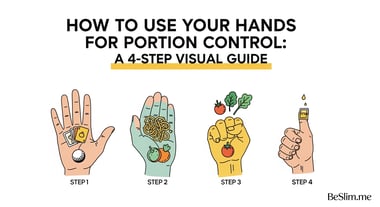
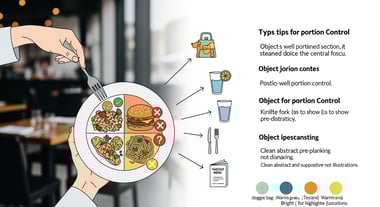
- Use plates: Half veggies, quarter protein, quarter grains. This aligns with all three diets' balance.
Week 7: Handle Cravings
- Swap treats: Nuts for chips (Med), fruit for sweets (DASH/Flexitarian).
Week 8: Midpoint Check-In
- Measure metrics: Blood pressure (DASH goal) or waist circumference. Adjust based on clinical guidelines.
Phase 3: Long-Term Mastery (Weeks 9-12) – Integrate for Life
Achieve 95% compliance and make it habitual.
Week 9: Variety Expansion
- Experiment: Try Med-inspired tapas or Flexitarian meatless Mondays.
Week 10: Social and Travel Adaptation
- Strategies: Pack snacks for trips; choose DASH-friendly options at events.
Week 11: Maintenance Habits
- Incorporate mindfulness: Eat slowly to enhance satisfaction (all diets).
Week 12: Evaluate Success
- Reflect: Celebrate wins like sustained energy. Plan for ongoing tweaks.
This roadmap is designed for gradual change, reducing dropout rates as seen in long-term studies.
Common Pitfalls and How to Avoid Them
Even top-rated diets have hurdles. Here's a strategic breakdown of risks, with evidence-based avoidance tactics. Always monitor for side effects like fatigue or digestive issues, and stop if severe—consult a doctor.
- Pitfall: Nutrient Deficiencies (e.g., iron in Flexitarian or calcium in low-dairy DASH). Avoidance: Supplement wisely; for example, pair plant irons with vitamin C. Backed by nutrient gaps in plant-based diets.
- Pitfall: Unsustainable Restrictions (e.g., sodium limits in DASH leading to burnout). Avoidance: Gradually reduce salt by using herbs; track via apps to prevent electrolyte imbalance.
- Pitfall: Over-Reliance on Processed "Healthy" Foods (common in Med with olive oil snacks). Avoidance: Stick to whole foods; read labels to avoid hidden sugars or fats.
- Pitfall: Ignoring Individual Needs (e.g., allergies in Med's nut focus). Avoidance: Customize with professional input; unsustainability rises without personalization.
- Pitfall: Lack of Monitoring (leading to contraindications like kidney strain in DASH). Avoidance: Get regular check-ups, especially for high-risk groups.
Addressing these proactively ensures safer, more effective adoption.
3 Highly Actionable Tips for Immediate Start
To launch your journey today, here are three confident, goal-oriented steps:
- Audit Your Fridge Tonight: Spend 15 minutes clearing out processed foods and listing 5 staple items from your chosen diet (e.g., olive oil for Med). This sets a strong foundation.
- Plan One Meal Swap Tomorrow: Replace a usual lunch with a diet-aligned option, like a veggie-packed salad (Flexitarian/DASH), and track how it affects your energy.
- Set a Weekly Check-In: Use a journal or app to log progress every Sunday, noting wins and adjustments— this builds accountability for long-term success.
By following this guide, you're equipped to harness 2026's top diets strategically. For personalized plans, visit BeSlim.me.
References
- Flexitarian eating patterns support weight management - mayoclinic.org


Medical Disclaimer
The content on this website is for informational and educational purposes only. It is not intended as medical advice and should not be relied upon as a substitute for consultations with qualified healthcare professionals who are familiar with your individual medical needs. Always seek the advice of your physician or other qualified healthcare provider with any questions you may have regarding a medical condition. Never disregard professional medical advice or delay in seeking it because of something you have read on this website.