Hello, I'm Master Kim, the Founder and Chief Scientific Officer at BeSlim.me. Having dedicated my career to helping people achieve sustainable weight management through science-backed strategies, I've seen firsthand how misconceptions about energy balance can derail even the most motivated individuals. You might have heard the simple mantra "calories in versus calories out," but it's often oversimplified, leading many to focus solely on exercise while ignoring the broader picture. In this article, I'll guide you through the science of energy balance, emphasizing why 'calories out' encompasses far more than just hitting the gym. My goal is to empower you with knowledge that makes your wellness journey more effective and less frustrating.
Let's dive into the science behind this foundational concept.
Understanding the Basics of Energy Balance
Energy balance is the fundamental principle governing body weight, determined by the relationship between energy intake (calories consumed through food and beverages) and energy expenditure (calories burned by the body). When energy intake exceeds expenditure, the surplus is stored as fat, leading to weight gain. Conversely, a deficit results in weight loss as the body draws on stored energy reserves.
At its core, energy expenditure isn't a single entity but comprises several components that collectively form Total Daily Energy Expenditure (TDEE). These include Basal Metabolic Rate (BMR), which accounts for the energy needed for basic bodily functions at rest; Thermic Effect of Food (TEF), the energy used to digest and process nutrients; Non-Exercise Activity Thermogenesis (NEAT), which covers everyday movements like fidgeting or walking; and Exercise Activity Thermogenesis (EAT), the calories burned during structured physical activity.
This multifaceted nature explains why 'calories out' extends beyond exercise alone. For instance, BMR can represent 60-75% of TDEE for most people, influenced by factors like age, sex, muscle mass, and genetics. Ignoring these elements can lead to unrealistic expectations, such as assuming that an hour of running will offset a high-calorie meal without considering the body's baseline energy needs.
To enhance understanding, a simple comparison table could be useful here:
| Component of TDEE | Description | Approximate Percentage of TDEE | Influencing Factors |
|---|---|---|---|
| Basal Metabolic Rate (BMR) | Energy for vital functions like breathing and circulation | 60-75% | Age, muscle mass, hormones |
| Thermic Effect of Food (TEF) | Energy for digestion and nutrient absorption | 10% | Meal composition (e.g., protein-rich foods increase TEF) |
| Non-Exercise Activity Thermogenesis (NEAT) | Energy for daily activities like standing or gesturing | 15-30% | Lifestyle, occupation |
| Exercise Activity Thermogenesis (EAT) | Energy for workouts like jogging or weightlifting | 5-10% (varies) | Intensity and duration of exercise |
This table illustrates how exercise is just a small slice of the energy expenditure pie, highlighting the need to address all components for effective weight management.
The Biological Mechanisms Driving Energy Expenditure
Delving deeper, the mechanisms of energy balance involve intricate cellular and hormonal processes that regulate how the body uses and stores energy. At the cellular level, energy expenditure primarily occurs through adenosine triphosphate (ATP) production in mitochondria, the powerhouses of cells. Mitochondria convert nutrients like glucose and fatty acids into ATP via oxidative phosphorylation, a process that generates heat and supports metabolic functions. Disruptions in mitochondrial efficiency, such as those caused by aging or poor diet, can lower overall energy expenditure.
Hormonal signaling plays a pivotal role here. Thyroid hormones, particularly triiodothyronine (T3) and thyroxine (T4), are key regulators of BMR. Produced by the thyroid gland, these hormones bind to nuclear receptors in cells, upregulating genes involved in metabolism. For example, T3 enhances the activity of enzymes in the electron transport chain, increasing ATP production and heat generation. Imbalances, such as in hypothyroidism, can reduce BMR by slowing these processes.
Leptin, often called the "satiety hormone," also influences energy balance by signaling the hypothalamus about fat stores. When fat cells release leptin, it activates pathways like the JAK-STAT signaling cascade, which suppresses appetite and increases energy expenditure through sympathetic nervous system activation. This leads to elevated NEAT and thermogenesis in brown adipose tissue, where uncoupling protein 1 (UCP1) dissipates energy as heat rather than storing it as ATP.
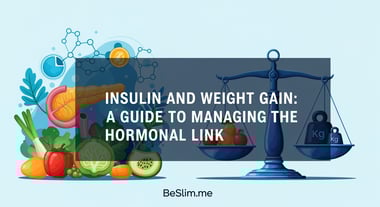
Insulin, another critical hormone, modulates energy storage and utilization. In response to carbohydrate intake, insulin promotes glucose uptake into cells via GLUT4 transporters, facilitating glycolysis and storage as glycogen or fat. However, chronic high insulin levels can lead to insulin resistance, impairing these mechanisms and reducing metabolic flexibility—the body's ability to switch between burning carbs and fats.
The thermic effect of food involves digestive enzymes and gut hormones like cholecystokinin (CCK), which signal satiety and increase metabolic rate post-meal. Protein digestion, for instance, requires more energy due to the deamination process in the liver, elevating TEF compared to fats or carbs.
These mechanisms underscore why 'calories out' is dynamic and influenced by biology rather than just willpower. For visual clarity, a diagram depicting the hormonal feedback loops—showing thyroid hormones, leptin, and insulin interacting with the brain and peripheral tissues—would greatly enhance comprehension of these interconnected pathways.
Factors Influencing 'Calories Out' Beyond Exercise
While exercise contributes to EAT, several non-exercise factors significantly impact overall energy expenditure, often more profoundly. Muscle mass is a prime example; skeletal muscle is metabolically active tissue that burns calories even at rest. Each pound of muscle requires approximately 6-13 calories per day to maintain, compared to about 2 calories for fat tissue. Building muscle through resistance training can thus elevate BMR long-term.
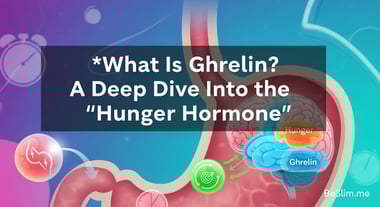
Environmental and lifestyle elements also play a role. Cold exposure activates brown fat, increasing thermogenesis via UCP1-mediated proton leakage in mitochondria, which uncouples ATP synthesis from oxidation and burns more calories for heat production. Sleep quality affects this too; inadequate sleep disrupts cortisol and ghrelin levels, hormones that can lower BMR and increase hunger, indirectly reducing NEAT.
Diet composition influences TEF, with high-protein meals boosting it by up to 30% due to the energy-intensive process of amino acid metabolism. Conversely, highly processed foods may lower TEF because they require less digestive effort.
Age-related declines in hormone production, such as reduced thyroid function, contribute to a gradual drop in BMR—about 1-2% per decade after age 20. Genetics further modulate these factors; variations in genes like those encoding for UCP1 can predispose individuals to higher or lower energy expenditure.
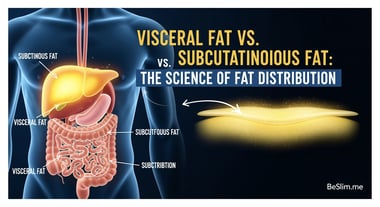
Stress, mediated by cortisol, can paradoxically affect energy balance. Acute stress might increase NEAT through fidgeting, but chronic stress promotes fat storage, particularly visceral fat, via glucocorticoid receptors that enhance lipogenesis in adipocytes.
Understanding these influences reveals that optimizing 'calories out' involves holistic lifestyle adjustments, not just more gym time.
Practical Implications for Weight Management
Integrating this science into daily life highlights why a narrow focus on exercise often falls short. For sustainable weight loss, addressing all TDEE components yields better results. Strategies like increasing protein intake can enhance TEF, while incorporating more movement into routines—like taking stairs—boosts NEAT without structured workouts.
Hormonal health is crucial; managing stress through mindfulness can stabilize cortisol, preserving BMR. Prioritizing sleep and muscle-building activities supports metabolic efficiency.
According to research from the National Institutes of Health, factors like NEAT can vary by up to 2000 calories per day between individuals, emphasizing its role in energy balance beyond exercise. Similarly, studies show that thyroid hormones significantly influence basal metabolic rate, with deficiencies leading to reduced energy expenditure. Furthermore, protein-rich diets increase the thermic effect of food, supporting higher overall calorie burn.
As we wrap up, remember that energy balance is a symphony of biological processes, not a solo performance by exercise.
Now, let's turn this knowledge into action. As someone who's guided countless individuals at BeSlim.me, I recommend starting small: Track your daily activities to gauge NEAT, incorporate strength training twice a week to build muscle, and aim for balanced meals with adequate protein. You can calculate your approximate TDEE using online tools and adjust accordingly. If you're struggling, consider consulting a healthcare professional to check hormonal health. By embracing the full spectrum of 'calories out,' you'll find weight management more achievable and empowering. We're here to support you every step of the way.
References
- Factors like NEAT can vary by up to 2000 calories per day between individuals - ncbi.nlm.nih.gov
- Thyroid hormones significantly influence basal metabolic rate - mayoclinic.org
- Protein-rich diets increase the thermic effect of food - healthline.com


Medical Disclaimer
The content on this website is for informational and educational purposes only. It is not intended as medical advice and should not be relied upon as a substitute for consultations with qualified healthcare professionals who are familiar with your individual medical needs. Always seek the advice of your physician or other qualified healthcare provider with any questions you may have regarding a medical condition. Never disregard professional medical advice or delay in seeking it because of something you have read on this website.