Hello, I'm Master Kim, the Founder and Chief Scientific Officer at BeSlim.me. I've spent years diving deep into the science of weight management, drawing from my own experiences and those of countless individuals who've struggled with appetite control. I know how frustrating it can be when hunger seems to sabotage your best efforts—I've been there myself. That's why I'm passionate about sharing insights like these to empower you on your journey. In this article, we'll explore the fascinating interplay between leptin and ghrelin, two key hormones that dictate when you feel full or famished. Let's dive into the science behind this, so you can better understand and harness your body's natural signals.
Understanding Leptin: The Satiety Hormone
Leptin plays a pivotal role in regulating energy balance by signaling to your brain that you've had enough to eat. Produced primarily by adipose (fat) tissue, this hormone acts as a long-term regulator of body weight, helping to maintain homeostasis. When fat cells release leptin into the bloodstream, it travels to the hypothalamus—a region of the brain responsible for appetite control. There, it binds to specific receptors, triggering a cascade of intracellular signaling pathways that suppress hunger and increase energy expenditure.
At the cellular level, leptin's mechanism involves the activation of the JAK-STAT signaling pathway. Upon binding to its receptor, leptin stimulates Janus kinase (JAK) enzymes, which phosphorylate signal transducer and activator of transcription (STAT) proteins. These activated STAT proteins then translocate to the nucleus, where they modulate gene expression to promote satiety. This process not only reduces food intake but also enhances thermogenesis in peripheral tissues, effectively burning more calories. Disruptions in this pathway, such as leptin resistance, can lead to overeating and obesity, as the brain fails to recognize adequate energy stores.
To visualize this, a simple diagram illustrating the leptin signaling pathway—from fat cell release to hypothalamic response—would greatly enhance understanding. It could show arrows depicting hormone travel and receptor binding, highlighting key steps like JAK-STAT activation.
Leptin's levels fluctuate based on body fat percentage; higher fat mass typically means more leptin production, which should curb appetite. However, in cases of chronic overeating or inflammation, cells become less responsive, perpetuating a cycle of weight gain. This explains why some people feel perpetually hungry despite ample calorie intake.
Ghrelin: The Hunger Hormone
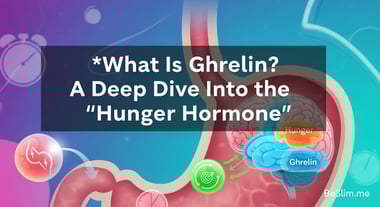
In contrast to leptin, ghrelin is often dubbed the "hunger hormone" because it stimulates appetite and promotes food intake. Secreted mainly by the stomach's endocrine cells, particularly when the stomach is empty, ghrelin levels rise before meals and drop after eating. This hormone acts on the hypothalamus and other brain regions to increase hunger signals, encouraging you to seek out food.
The biological mechanism of ghrelin involves binding to growth hormone secretagogue receptors (GHS-R) in the brain. This interaction activates intracellular pathways, including the phosphoinositide 3-kinase (PI3K) and mitogen-activated protein kinase (MAPK) cascades, which enhance the release of neuropeptide Y (NPY) and agouti-related peptide (AgRP)—neurotransmitters that amplify hunger. Additionally, ghrelin influences the vagus nerve, sending signals from the gut to the brain to heighten the perception of emptiness and drive eating behavior. This short-term regulation ensures energy intake matches immediate needs, but imbalances can contribute to overconsumption.
A comparison table here would be helpful to contrast leptin and ghrelin side-by-side. For instance:
| Aspect | Leptin | Ghrelin |
|---|---|---|
| Primary Source | Adipose tissue | Stomach cells |
| Main Function | Suppresses appetite | Stimulates appetite |
| Peak Levels | After eating, with high fat mass | Before meals, when stomach empty |
| Key Pathway | JAK-STAT signaling | PI3K/MAPK cascades |
Such a table would make the differences scannable and memorable.
Ghrelin's role extends beyond hunger; it also promotes fat storage and can influence reward pathways in the brain, making high-calorie foods more appealing. Chronic stress or sleep deprivation can elevate ghrelin levels, explaining why you might crave snacks during tough times.
The Leptin-Ghrelin Axis: How They Interact
The leptin-ghrelin axis represents a dynamic balance where these two hormones work in opposition to finely tune appetite regulation. Leptin inhibits the hunger-promoting effects of ghrelin by downregulating NPY and AgRP in the hypothalamus, while ghrelin can counteract leptin's satiety signals during fasting states. This interplay occurs primarily in the arcuate nucleus of the hypothalamus, where neurons expressing receptors for both hormones integrate signals to decide between feeding and fasting modes.
Mechanistically, when ghrelin binds to its receptors, it activates orexigenic (appetite-stimulating) neurons, increasing food-seeking behavior. Conversely, leptin activates anorexigenic (appetite-suppressing) neurons, such as those producing pro-opiomelanocortin (POMC), which release alpha-melanocyte-stimulating hormone (α-MSH) to reduce hunger. The axis relies on feedback loops: high leptin levels suppress ghrelin secretion from the stomach, and vice versa, maintaining equilibrium. Disruptions, like in obesity, often involve leptin resistance, where elevated leptin fails to curb ghrelin's influence, leading to persistent hunger.
According to research, leptin and ghrelin interact to regulate energy homeostasis, with imbalances linked to metabolic disorders. This study highlights how surgical interventions, like gastric bypass, alter ghrelin levels to aid weight loss by disrupting normal hormone dynamics.
Furthermore, external factors such as diet and exercise modulate this axis. High-protein meals can suppress ghrelin more effectively than carbohydrates, while intermittent fasting may enhance leptin sensitivity over time. Understanding this interaction is crucial because it underscores why appetite isn't just willpower—it's a hormonal tug-of-war.
Implications for Weight Management and Health
Dysregulation of the leptin-ghrelin axis has profound implications for weight management and overall health. In obesity, leptin resistance diminishes its satiety effects, allowing ghrelin to dominate and drive overeating. This can contribute to conditions like type 2 diabetes, where hormonal imbalances exacerbate insulin resistance. Conversely, in undernutrition or anorexia, suppressed ghrelin responses fail to stimulate adequate intake, leading to energy deficits.
From a health perspective, maintaining axis balance supports metabolic health. For instance, regular physical activity improves leptin sensitivity, helping to restore proper signaling and reduce obesity risk. Research also shows that sleep quality affects this axis; poor sleep elevates ghrelin and lowers leptin, increasing appetite and calorie intake.
Therapeutic approaches target this axis, such as medications mimicking leptin's effects or inhibiting ghrelin. However, lifestyle interventions remain foundational. Diets rich in fiber and protein can naturally modulate these hormones, promoting sustained weight loss.
To illustrate the broader impact, a diagram showing the axis's feedback loop in healthy vs. obese states would clarify how imbalances lead to health issues, with arrows indicating hormone flows and disruptions.
In summary, mastering the leptin-ghrelin axis through informed choices can transform your approach to appetite control and long-term wellness.
Actionable Takeaways
As we wrap up, here are some practical steps you can take based on this science to better manage your appetite:
- Monitor Meal Timing: Eat regular, balanced meals to keep ghrelin in check—aim for protein-rich options to prolong satiety and support leptin function.
- Prioritize Sleep and Stress Management: Get 7-9 hours of quality sleep nightly to balance hormone levels; try mindfulness practices to reduce stress-induced ghrelin spikes.
- Incorporate Exercise: Engage in moderate activity like walking or strength training, which can enhance leptin sensitivity and help regulate the axis over time.
- Track Your Signals: Pay attention to your body's hunger cues—differentiate between true hunger (ghrelin-driven) and emotional eating to make mindful choices.
By applying these, you'll be empowering yourself with knowledge that goes beyond diets, straight from the science I've dedicated my career to at BeSlim.me. If you're ready to take control, we're here to support you.
References
- Leptin and ghrelin interact to regulate energy homeostasis - ncbi.nlm.nih.gov
- Sleep deprivation alters ghrelin and leptin levels - cdc.gov


Medical Disclaimer
The content on this website is for informational and educational purposes only. It is not intended as medical advice and should not be relied upon as a substitute for consultations with qualified healthcare professionals who are familiar with your individual medical needs. Always seek the advice of your physician or other qualified healthcare provider with any questions you may have regarding a medical condition. Never disregard professional medical advice or delay in seeking it because of something you have read on this website.