Hello, I'm Master Kim, and if you're reading this, chances are you've been where I've been—riding the high of bariatric surgery success, only to feel the ground shift beneath you as the pounds start creeping back. As someone who's walked this path myself after my gastric sleeve procedure, I know the sting of that "honeymoon" phase ending. It's not just about the numbers on the scale; it's the emotional rollercoaster, the self-doubt, and the fear that all your hard work was for nothing. But here's the truth: regain isn't a failure—it's a signal that it's time to dig deeper. In this guide, I'll share my personal story of battling weight regain starting two years post-op, structured as a how-to for anyone in those tricky 2-5 year mark. We'll break it down into the struggle, the turning point, and the success, with practical steps you can take. Remember, this isn't about quick fixes; it's about sustainable change rooted in empathy for your journey.
Part 1: The Struggle (The 'Before')
Oh, how I remember those first 18 months after my gastric sleeve surgery like it was yesterday. I'd lost over 100 pounds, and life felt electric. Clothes fit, energy soared, and compliments poured in. "You've got this for life," people said, and I believed them. The surgery had reshaped my stomach, curbing my portions and jumpstarting a healthier me. But around the two-year mark, things started to unravel. It was subtle at first—a few extra bites here, a skipped workout there. By year three, I'd regained 30 pounds, and the panic set in.
Emotionally, it was a nightmare. I felt like a fraud. I'd tell myself, "This is just a blip," but deep down, shame gnawed at me. Why couldn't I keep it off? Wasn't the surgery supposed to fix this? I dove into old habits, comfort-eating my way through stress from work and family life. Late-night snacks became my solace, even though my smaller stomach protested. I tried every fad diet under the sun—keto, intermittent fasting, you name it—but they all fizzled out. One week I'd lose five pounds, only to gain seven back the next. My metabolism felt sluggish, and no matter how hard I pushed at the gym, the scale mocked me.
Physically, the regain brought back familiar aches: joint pain, fatigue, and that constant hunger that surgery had once silenced. I avoided mirrors, dreading the reflection of someone who'd "failed" at their second chance. Failed attempts piled up—joining weight loss apps, hiring trainers, even considering revision surgery. But nothing stuck because I was treating symptoms, not the root causes. The emotional toll was the worst: isolation from friends who didn't understand, and a creeping depression that made motivation evaporate. If you're in this phase, know this—I see you. It's not weakness; it's the body's complex response to major change, compounded by life's unrelenting demands. Regain affects up to 30% of bariatric patients in the 2-5 year window, and it's often tied to hormonal shifts and behavioral drifts. But recognizing the struggle is the first step toward reclaiming control.
Part 2: The Turning Point (The 'Solution')
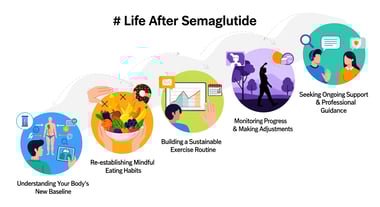
By year four post-op, I hit rock bottom—staring at a scale that showed I'd regained nearly half my lost weight. That's when I sought real help, not from another diet guru, but from a multidisciplinary team: a nutritionist, therapist, and endocrinologist. It was humbling to admit I couldn't do it alone, but that vulnerability became my superpower. The turning point wasn't a single "aha" moment; it was a gradual shift in understanding my body's science and rebuilding habits from the ground up.
First, we tackled leptin resistance, that sneaky hormonal hurdle where your brain stops registering fullness signals properly after rapid weight loss. Post-bariatric surgery, leptin levels can drop, making you feel hungrier even when you're not. My doctor explained how this isn't just willpower—it's biology fighting back. To counter it, I started incorporating balanced, protein-rich meals with plenty of fiber to help stabilize those signals. No more skipping breakfast; instead, I'd have Greek yogurt with berries and nuts, which helped me feel satisfied longer.
Next, cortisol management became key. Chronic stress from my job was spiking this hormone, leading to abdominal fat storage and cravings. I learned that high cortisol can sabotage weight maintenance by promoting insulin resistance and emotional eating. We introduced mindfulness practices like daily meditation and short walks in nature—nothing extreme, just consistent steps to lower stress. I also adjusted my sleep routine, aiming for 7-9 hours nightly, as poor sleep exacerbates cortisol issues.
Finally, habit formation was the glue that held it all together. Drawing from behavioral science, I focused on small, repeatable actions rather than overhauls. Using techniques like habit stacking—pairing a new behavior with an existing one—I linked my evening herbal tea with journaling gratitude, which curbed mindless snacking. This wasn't about perfection; it was about progress. Scientifically, habits form through repetition and positive reinforcement, rewiring neural pathways over time.
To support these changes, I leaned on evidence-based strategies. For instance, studies on leptin resistance in bariatric patients show that dietary interventions can help restore sensitivity, emphasizing whole foods over processed ones. On cortisol, research from the Mayo Clinic highlights how stress reduction techniques reduce weight regain risk. And for habits, CDC guidelines on behavior change underscore the power of incremental goals for long-term success. These weren't abstract concepts; they were tools I applied daily, tracking progress in a simple journal. If you're at this crossroads, start by consulting professionals—build your team and address the science behind your regain. It's empowering to know your body isn't betraying you; it's just asking for a smarter approach.
Part 3: The Success (The 'After')
Fast forward to now, five years post-op, and I've not only halted the regain but shed those extra 30 pounds—and kept them off for over a year. The transformation isn't just physical; it's profound in every aspect of my life. Physically, I move with ease—hiking trails I once avoided, playing with my grandkids without breathlessness. My energy is steady, no more mid-afternoon crashes, and I've even lowered my blood pressure to healthy levels without medication.
Emotionally, the shift is even more rewarding. I've traded shame for self-compassion, understanding that regain was a teacher, not a tormentor. Relationships have deepened; I'm more present with loved ones, no longer hiding behind food or excuses. Professionally, managing stress better has led to a promotion—I handle deadlines with calm focus instead of cortisol-fueled frenzy. Life feels balanced, not like a constant battle against my body.
The key to this success? Consistency over intensity. I didn't chase miracles; I embraced effort. Meals are mindful—focusing on veggies, lean proteins, and healthy fats—while allowing occasional treats without guilt. Exercise is enjoyable: yoga twice a week, walks daily. And therapy sessions continue, helping me navigate triggers. The lessons learned are gold: Regain taught me patience, the value of science-backed strategies, and that true health is holistic. If I can turn this around, so can you. Celebrate small wins, forgive setbacks, and remember—your journey is uniquely yours, but you're never alone in it.
Key Lessons for Your Journey
Address the Hormones Head-On: Work with a doctor to check for leptin resistance or cortisol imbalances, and incorporate whole-food meals to support hormonal balance—start with one protein-packed breakfast daily.
Build Habits, Not Diets: Use habit stacking to make changes stick; pair a new routine like a 10-minute walk with your morning coffee for sustainable progress without overwhelm.
Prioritize Self-Compassion and Support: Seek a therapist or support group to process emotions—regain isn't failure, it's feedback. Track non-scale victories like better sleep to stay motivated.
References
- Studies on leptin resistance in bariatric patients show that dietary interventions can help restore sensitivity - pubmed.ncbi.nlm.nih.gov
- Research from the Mayo Clinic highlights how stress reduction techniques reduce weight regain risk - mayoclinic.org
- CDC guidelines on behavior change underscore the power of incremental goals for long-term success - cdc.gov


Medical Disclaimer
The content on this website is for informational and educational purposes only. It is not intended as medical advice and should not be relied upon as a substitute for consultations with qualified healthcare professionals who are familiar with your individual medical needs. Always seek the advice of your physician or other qualified healthcare provider with any questions you may have regarding a medical condition. Never disregard professional medical advice or delay in seeking it because of something you have read on this website.