Hello, I'm Master Kim, the founder and Chief Scientific Officer at BeSlim.me. Over the years, I've worked with countless individuals struggling with weight management, and I've seen how genetics can play a role in that journey. If you've ever wondered why some people seem to gain weight more easily than others, even with similar lifestyles, the FTO gene might be part of the puzzle. It's often called the "fat gene," but does it really dictate your destiny? In this article, we'll explore what the FTO gene is, its mechanisms, and its true impact on obesity. My goal is to empower you with knowledge so you can make informed decisions about your health. Let's dive into the science behind this.
What is the FTO Gene?
The FTO gene, short for Fat Mass and Obesity-Associated gene, has garnered significant attention in genetic research related to body weight. Discovered in the early 2000s through genome-wide association studies, it stands out as one of the first genes strongly linked to common obesity in populations worldwide. Unlike rare genetic disorders that cause severe obesity from birth, FTO variants are common and contribute to everyday weight challenges in adults and children.
At its core, the FTO gene provides instructions for producing an enzyme called alpha-ketoglutarate-dependent dioxygenase. This enzyme is involved in modifying nucleic acids, particularly in the process of demethylating DNA and RNA. In simpler terms, it helps regulate how genes are expressed by removing chemical tags that can silence or activate them. Variations in the FTO gene, especially single nucleotide polymorphisms (SNPs) like rs9939609, have been associated with higher body mass index (BMI) and increased fat mass.
Why does this matter? These genetic variations don't directly "cause" obesity but influence how your body handles energy balance. For instance, people with certain FTO variants may experience stronger hunger signals or reduced satiety after eating, leading to higher calorie intake over time. Research shows that the FTO gene is expressed in various tissues, including the brain's hypothalamus, which controls appetite, and in adipose (fat) tissue, where it affects fat storage.
To visualize this, a simple comparison table could enhance understanding here:
| Aspect | FTO Gene Function | Impact of Variants |
|---|---|---|
| Primary Role | Demethylates DNA/RNA for gene regulation | Alters appetite and energy use |
| Key Tissues | Brain (hypothalamus), fat cells | Increased hunger, more fat storage |
| Common Variant | rs9939609 (A allele) | Associated with 1-3 kg extra weight per allele |
This table highlights the basics without overwhelming details, making it easier to grasp how FTO fits into the bigger picture of genetics and obesity.
The Biological Mechanism of FTO in Obesity
Let's transition to the science: the mechanism of the FTO gene involves intricate cellular processes that link genetics to metabolic outcomes.
The FTO enzyme primarily acts as a demethylase, targeting N6-methyladenosine (m6A) modifications on RNA molecules. This m6A is a common epigenetic mark that influences RNA stability, splicing, and translation into proteins. When FTO removes these marks, it can enhance the expression of genes involved in metabolism and appetite regulation. In individuals with obesity-associated FTO variants, this demethylation process is often upregulated, leading to changes in key signaling pathways.
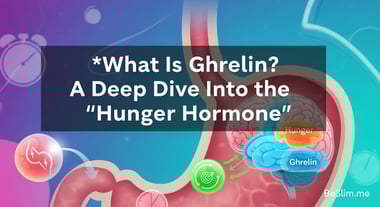
One critical pathway is the hypothalamic regulation of food intake. The hypothalamus integrates signals from hormones like leptin and ghrelin. Leptin, produced by fat cells, signals fullness to the brain, while ghrelin stimulates hunger. FTO influences this by modulating the expression of genes that respond to these hormones. For example, higher FTO activity in the brain can reduce sensitivity to leptin, making it harder for the body to recognize when it's full, which promotes overeating.
At the cellular level, FTO affects adipocyte (fat cell) differentiation and thermogenesis. In brown adipose tissue, which burns calories to generate heat, FTO variants can suppress genes like IRX3 and IRX5, which are downstream effectors. This suppression leads to reduced energy expenditure, meaning the body stores more calories as fat instead of burning them. Studies indicate that FTO also interacts with the mTOR signaling pathway, which controls cell growth and metabolism. Overactive FTO can amplify mTOR activity, favoring fat accumulation over muscle maintenance.
Furthermore, FTO's role extends to mitochondrial function. Mitochondria are the cell's powerhouses, and FTO demethylation can influence mitochondrial gene expression, potentially reducing oxidative capacity and leading to inefficient energy use. This inefficiency contributes to weight gain, as the body becomes less effective at converting food into usable energy.
A diagram would be particularly helpful here to illustrate the pathway: imagine a flowchart showing FTO demethylating RNA → altered gene expression in hypothalamus → disrupted leptin/ghrelin signaling → increased appetite and fat storage. Such a visual could clarify these complex interactions for readers without a scientific background.
These mechanisms explain why FTO is linked to obesity, but they're not deterministic—environmental factors like diet and exercise heavily modulate their effects.
How Much Does FTO Really Influence Weight?
While the FTO gene is influential, its role in obesity is often overstated in popular media. Genome-wide association studies have shown that FTO variants account for only a small portion of obesity risk—typically less than 1% of BMI variation in populations. For context, someone carrying two risk alleles might have a BMI about 0.4 units higher, equating to roughly 1-3 kg of extra weight in adults, depending on ethnicity and lifestyle.
This modest effect is evident in large-scale studies. For instance, research from the NIH on FTO variants and BMI demonstrates that while the association is consistent across diverse groups, it's strongest in those with sedentary lifestyles, highlighting gene-environment interactions. In active individuals, the impact diminishes, suggesting that behavior can override genetic predispositions.
Comparatively, other factors like diet quality, physical activity, and socioeconomic status play far larger roles. Polygenic risk scores, which combine multiple obesity-related genes including FTO, explain about 20-30% of BMI heritability, but FTO alone is just one piece. Conditions like type 2 diabetes and metabolic syndrome are also more prevalent in FTO risk carriers, but again, not inevitably—lifestyle interventions can mitigate these risks.
It's crucial to note that FTO's influence varies by population. In European ancestries, the rs9939609 variant is strongly linked, but in Asian populations, other SNPs may dominate. This variability underscores that no single "fat gene" controls weight; it's a complex interplay.
Overall, while FTO matters, it doesn't "doom" anyone to obesity. Understanding its limited scope empowers people to focus on modifiable factors rather than feeling genetically defeated.
Strategies to Mitigate FTO's Effects
Given FTO's mechanisms, targeted strategies can help counteract its influence on weight. The focus here is on evidence-based approaches that address appetite regulation, energy expenditure, and metabolic efficiency.
First, dietary interventions are key. Calorie-controlled diets emphasizing high-fiber, protein-rich foods can enhance satiety, countering FTO's potential to amplify hunger signals. Intermittent fasting has shown promise in modulating mTOR pathways affected by FTO, potentially improving insulin sensitivity and fat metabolism.
Physical activity is another cornerstone. Regular aerobic and resistance training boosts mitochondrial function and thermogenesis in adipose tissue, which FTO variants may impair. Studies from the Mayo Clinic on exercise and genetic obesity risk indicate that consistent exercise can reduce the BMI impact of FTO by up to 30%, especially in those with risk alleles.
Mindful eating practices, such as tracking hunger cues, address the hypothalamic disruptions. Combining this with behavioral therapies can rewire responses to leptin and ghrelin.
For those interested in personalization, genetic testing for FTO variants is available, but it should guide, not dictate, actions. Emerging research explores pharmacological options, like drugs targeting m6A demethylation, but these are not yet standard.
In summary, while FTO plays a role, proactive lifestyle changes can significantly lessen its effects, leading to better weight management.
As we wrap up, I want you to remember that genes like FTO are just one factor in your health story. At BeSlim.me, we've helped many overcome genetic hurdles through personalized plans. If you're carrying FTO variants, don't despair—focus on what you can control. Here are some actionable takeaways to get started:
- Assess Your Genetics: Consider a simple DNA test to identify FTO status, then tailor your diet to include more satiating foods like vegetables and lean proteins.
- Incorporate Movement: Aim for 150 minutes of moderate exercise weekly to boost energy expenditure and counteract fat storage tendencies.
- Monitor Hunger: Keep a food journal to recognize patterns influenced by FTO, and practice portion control to build better habits.
- Seek Support: Consult a healthcare professional for personalized advice, especially if obesity runs in your family.
By understanding and acting on this knowledge, you can take charge of your weight journey. Stay empowered!
References
- CDC overview of genetic factors in obesity - archive.cdc.gov


Medical Disclaimer
The content on this website is for informational and educational purposes only. It is not intended as medical advice and should not be relied upon as a substitute for consultations with qualified healthcare professionals who are familiar with your individual medical needs. Always seek the advice of your physician or other qualified healthcare provider with any questions you may have regarding a medical condition. Never disregard professional medical advice or delay in seeking it because of something you have read on this website.