As Master Kim, the Strategic Roadmaps Architect for BeSlim.me, I specialize in dissecting diet strategies like the ketogenic (keto) diet to provide balanced, evidence-based guidance. The keto diet emphasizes high-fat, low-carbohydrate intake to induce ketosis—a metabolic state where your body burns fat for fuel. While effective for weight loss and metabolic health in many cases, it's not without challenges. This guide analyzes its pros and cons, offers a step-by-step implementation roadmap, and focuses on eight common pitfalls with strategic avoidance tactics. Backed by clinical evidence, I'll ensure you approach keto with confidence and caution. Remember, consult a healthcare professional before starting, especially if you have conditions like diabetes or kidney issues.
Pros & Cons of the Keto Diet
To start strategically, here's a balanced overview of the keto diet's advantages and drawbacks, drawn from clinical insights.
| Pros | Cons |
|---|---|
| Rapid Weight Loss: Shifts metabolism to fat-burning, leading to quick initial results. | Nutrient Deficiencies: Restricts fruits, grains, and veggies, potentially lacking fiber, vitamins, and minerals. |
| Improved Blood Sugar Control: Reduces carbs, stabilizing insulin levels for those with type 2 diabetes. | Keto Flu Symptoms: Early side effects like fatigue, headaches, and irritability during adaptation. |
| Appetite Suppression: High-fat meals increase satiety, reducing overall calorie intake. | Sustainability Issues: Strict carb limits can be hard to maintain long-term, leading to yo-yo dieting. |
| Potential Cognitive Benefits: Ketones may enhance brain function, as seen in epilepsy management. | Heart Health Risks: High saturated fat intake could elevate cholesterol in some individuals. |
| Metabolic Flexibility: Trains the body to use fats efficiently, supporting endurance activities. | Digestive Problems: Low fiber may cause constipation; high fat can lead to gallbladder strain. |
This table highlights the diet's dual nature—powerful for short-term goals but demanding careful management to avoid pitfalls.
Understanding the Keto Diet Basics
Before diving into implementation, let's clarify the mechanism. The keto diet typically limits carbs to 20-50 grams per day, prioritizing fats (70-80% of calories) and moderate proteins (15-20%). This depletes glycogen stores, prompting the liver to produce ketones from fat. According to research, keto diets can lead to significant weight loss and improved insulin sensitivity in obese individuals, but they're not suitable for everyone. Potential side effects include electrolyte imbalances, kidney stress, and unsustainable weight regain if not transitioned properly. Contraindications include pancreatitis, liver failure, or disorders of fat metabolism—always seek medical advice.
Step-by-Step Implementation Guide
To succeed with keto, follow this phased roadmap. It's structured week-by-week for the first month, then transitions to maintenance. This guide assumes a standard 2,000-calorie daily intake; adjust based on your needs using a tracker app. Focus on whole foods to minimize risks like nutrient gaps.
Phase 1: Preparation (Week 1)
- Assess Readiness: Calculate your macros—aim for 70% fat, 20% protein, 10% carbs. Use tools like MyFitnessPal. Get baseline bloodwork to monitor cholesterol and electrolytes.
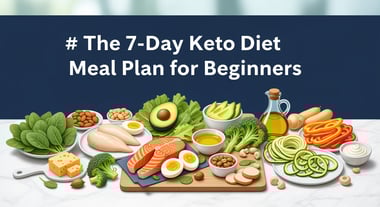
- Stock Your Kitchen: Clear out high-carb items (bread, pasta, sugary snacks). Stock fats like avocados, olive oil, nuts; proteins like eggs, fatty fish, meat; low-carb veggies like spinach and broccoli.
- Hydrate and Supplement: Increase water intake to 3-4 liters daily. Supplement electrolytes (sodium, potassium, magnesium) to prevent keto flu. Start with bone broth for natural salts.
- Meal Example: Breakfast: Eggs with avocado. Lunch: Grilled chicken salad with olive oil dressing. Dinner: Salmon with buttered zucchini. Snacks: Cheese or pork rinds.
- Tracking Tip: Log everything for the first week to ensure under 50g carbs. Expect mild fatigue—rest more.
Phase 2: Adaptation (Weeks 2-3)
- Enter Ketosis: Monitor with urine strips or a blood ketone meter (aim for 0.5-3.0 mmol/L). If not in ketosis, reduce carbs further.
- Build Habits: Introduce intermittent fasting if desired (e.g., 16:8 window) to enhance fat adaptation. Focus on sleep (7-9 hours) as poor rest can hinder progress.
- Address Side Effects: If keto flu hits (headaches, cramps), increase sodium via salted nuts. Warn: Unsustainable if you ignore symptoms—up to 20% of starters drop out here due to discomfort.
- Meal Example: Breakfast: Bulletproof coffee (coffee with butter and MCT oil). Lunch: Tuna salad with mayo. Dinner: Steak with cauliflower mash. Add fermented foods like sauerkraut for gut health.
- Progress Check: Weigh weekly; expect 2-4 pounds loss. If constipated, add psyllium husk fiber.
Phase 3: Optimization and Maintenance (Week 4+)
- Refine Macros: Adjust based on activity—add more protein for workouts. Cycle in "carb-up" days monthly if athletic to prevent burnout.
- Incorporate Variety: Experiment with keto recipes (e.g., zucchini noodles) to avoid monotony. Monitor for long-term risks like bone density loss from low calcium—include dairy or supplements.
- Sustainability Focus: Plan an exit strategy after 3-6 months; gradual carb reintroduction prevents rebound weight gain.
- Meal Example: Breakfast: Chia pudding with coconut milk. Lunch: Egg salad with bacon. Dinner: Pork chops with asparagus. Include berries sparingly for antioxidants.
- Long-Term Tip: Reassess every month with a doctor. Evidence shows keto can sustain weight loss for up to a year but requires monitoring for heart risks.
This roadmap is evidence-based; studies indicate structured keto plans improve adherence and outcomes compared to unstructured attempts.
Common Pitfalls and How to Avoid Them
The keto diet's pitfalls often stem from poor planning or misconceptions. Here, I outline eight common ones as a listicle, backed by strategies rooted in clinical evidence. Each includes a risk warning for balance.
Not Tracking Macros Accurately
Many underestimate hidden carbs in foods like sauces or veggies, stalling ketosis. Avoidance: Use a reliable app to log every bite. Risk: Leads to frustration and inconsistent results; prolonged high carbs can exacerbate insulin resistance.Ignoring Electrolyte Balance
Low carbs flush sodium, causing fatigue or cramps. Avoidance: Consume 3-5g sodium daily via broth or salt. Supplement potassium (avocados) and magnesium (nuts). Risk: Severe imbalances can cause heart palpitations—monitor if you have kidney issues.Overeating Protein
Excess protein converts to glucose, kicking you out of ketosis (gluconeogenesis). Avoidance: Cap protein at 1.2-1.7g per kg body weight; prioritize fats. Risk: Can strain kidneys; not ideal for those with renal conditions.Neglecting Fiber and Gut Health
Low-carb diets often lack fiber, leading to constipation. Avoidance: Include non-starchy veggies and supplements like psyllium. Risk: Chronic issues may increase colon cancer risk over time—aim for 25g fiber daily.Falling for "Keto" Processed Foods
Products labeled keto may have hidden sugars or unhealthy fats. Avoidance: Read labels; stick to whole foods. Risk: Can contribute to inflammation or weight plateaus; processed fats may raise LDL cholesterol.Lacking Meal Variety
Monotonous eating leads to burnout and nutrient gaps. Avoidance: Rotate recipes weekly, incorporating global keto cuisines (e.g., Mediterranean fats). Risk: Deficiencies in vitamins like C or K; unsustainable long-term, with high dropout rates.Ignoring Mental Health Impacts
Carb restriction can cause mood swings or brain fog initially. Avoidance: Include omega-3s from fish and consider adaptogens like ashwagandha. Risk: May worsen anxiety or depression; consult a doctor if symptoms persist.No Exit Plan
Abruptly stopping keto causes rapid weight regain. Avoidance: Gradually increase carbs by 10-20g weekly while monitoring. Risk: Metabolic disruption; evidence from long-term keto studies shows higher regain risk without transition.
These pitfalls affect up to 50% of keto dieters, per surveys, but proactive strategies can mitigate them.
3 Highly Actionable Tips for Immediate Start
To kick off your keto journey today, implement these evidence-based tips:
Audit Your Pantry: Spend 30 minutes removing high-carb items and listing 5 keto staples to buy. This sets a strong foundation, reducing temptation.
Prep a One-Day Meal Plan: Outline breakfast, lunch, dinner, and snacks under 50g carbs. Include hydration goals to preempt keto flu.
Schedule a Check-In: Set a reminder for Day 7 to track ketones and adjust. This builds accountability, improving adherence as per habit-formation research.
By addressing these elements, you'll navigate keto strategically. Remember, while effective for many, it's not a one-size-fits-all—personalize based on your health profile.
References
- Intermittent fasting may improve insulin sensitivity - pubmed.ncbi.nlm.nih.gov
- Keto can sustain weight loss for up to a year but requires monitoring for heart risks - mayoclinic.org
- Long-term keto studies shows higher regain risk without transition - niddk.nih.gov


Medical Disclaimer
The content on this website is for informational and educational purposes only. It is not intended as medical advice and should not be relied upon as a substitute for consultations with qualified healthcare professionals who are familiar with your individual medical needs. Always seek the advice of your physician or other qualified healthcare provider with any questions you may have regarding a medical condition. Never disregard professional medical advice or delay in seeking it because of something you have read on this website.