As Master Kim, the Strategic Roadmaps Architect for BeSlim.me, I specialize in dissecting diet strategies with a balanced, evidence-based lens. Mindful eating isn't a restrictive diet—it's a behavioral approach that emphasizes awareness and intention during meals to foster sustainable weight loss. Rooted in mindfulness practices, this method encourages tuning into your body's hunger signals, savoring food, and reducing emotional eating. In this guide, I'll outline its pros and cons, provide a structured 7-step implementation roadmap, highlight risks, and deliver actionable steps. Backed by clinical evidence, this strategy can help you build healthier habits without the yo-yo effects of fad diets. Remember, while effective for many, it's not a quick fix—consult a healthcare professional before starting, especially if you have eating disorders or medical conditions.
Pros & Cons of Mindful Eating for Weight Loss
To kick off, let's analyze the strengths and weaknesses of mindful eating. This table draws from clinical insights to give you a neutral overview, helping you decide if it aligns with your goals.
| Pros | Cons |
|---|---|
| Promotes long-term sustainability by improving your relationship with food, reducing binge eating tendencies. | Requires consistent practice and patience; results may be slower compared to calorie-restrictive diets. |
| Enhances awareness of hunger and fullness cues, leading to natural portion control without strict rules. | Can be challenging in fast-paced environments, like busy workdays, where distractions are common. |
| Supported by evidence for reducing emotional eating and improving psychological well-being. | May not provide structured guidance on nutrition, potentially leading to unbalanced meals if not combined with dietary education. |
| Flexible and adaptable to any lifestyle, with no need for special foods or equipment. | Initial discomfort from confronting eating habits, which could trigger anxiety in those with a history of disordered eating. |
| Can lead to modest weight loss (e.g., 1-2 pounds per month) through mindful choices, backed by studies on behavior change. | Not ideal for everyone; contraindicated for individuals with active eating disorders without professional supervision. |
This balanced view is informed by research showing mindful eating's efficacy in weight management, though it's most effective when paired with other healthy habits.
Understanding Mindful Eating: The Basics
Before diving into the steps, let's clarify what mindful eating entails. It's derived from mindfulness meditation principles, adapted to eating behaviors. The core idea is to eat with full attention—focusing on the sensory experience of food, your body's signals, and the emotions tied to eating. Unlike traditional diets that count calories or eliminate food groups, mindful eating shifts the focus to how and why you eat.
Evidence supports its role in weight loss: Mindful eating interventions have been shown to reduce body mass index by promoting better self-regulation of intake. This approach can help break the cycle of mindless overeating, common in modern lifestyles filled with distractions like screens and multitasking. However, it's not without risks—potential side effects include initial frustration from slowed eating or heightened awareness of unhealthy patterns, which could exacerbate stress if not managed. Contraindications include untreated eating disorders, where professional therapy is essential first. Unsustainability arises if you view it as a short-term tactic rather than a lifelong skill.
In the following sections, I'll provide a strategic 7-step roadmap, structured as weekly phases for progressive implementation. This itinerary is designed for beginners, building habits gradually to ensure adherence.
Step-by-Step Implementation Guide: Your 7-Step Roadmap
This 7-step guide is your actionable blueprint to start mindful eating for weight loss. I've structured it as weekly phases, allowing one week per step to build momentum without overwhelm. Each step includes specific actions, tips, and evidence-based rationale. Aim for consistency, tracking your progress in a journal. By the end of seven weeks, you'll have integrated mindful eating into your routine, potentially leading to sustainable weight loss of 0.5-1 pound per week through improved habits.
Step 1: Week 1 - Build Awareness of Hunger Cues
Start by tuning into your body's signals. Many people eat out of habit or emotion, not true hunger.
- Daily Actions: Before each meal, pause for 1-2 minutes to rate your hunger on a scale of 1-10 (1 = not hungry, 10 = ravenous). Eat only when you're at a 6 or above. During meals, stop when you reach a 7 (comfortably full).
- Practical Tip: Set a phone reminder for meal times to check in with yourself.
- Why It Works: This fosters interoceptive awareness, reducing overeating. Research from the National Institutes of Health indicates that mindful hunger awareness can decrease caloric intake by helping individuals distinguish physical hunger from boredom or stress.
- Expected Outcome: By week's end, you'll notice fewer impulsive snacks, setting the stage for weight loss through natural calorie reduction.
Step 2: Week 2 - Eliminate Distractions During Meals
Distractions like TV or phones lead to mindless eating and higher consumption.
- Daily Actions: Designate meals as "device-free zones." Sit at a table, turn off screens, and focus solely on your food for at least one meal per day.
- Practical Tip: If eating alone feels awkward, play soft background music to create a calm environment.
- Why It Works: Removing distractions enhances sensory engagement, leading to greater satisfaction with smaller portions. Studies validate this, showing reduced intake when attention is undivided.
- Expected Outcome: You'll eat more slowly, potentially consuming 10-20% fewer calories per meal, contributing to gradual weight loss.
Step 3: Week 3 - Engage Your Senses
Mindful eating involves savoring the full experience of food through sight, smell, taste, texture, and sound.
- Daily Actions: For each bite, take time to observe the food's appearance, inhale its aroma, chew slowly (20-30 times), and note flavors and textures.
- Practical Tip: Start with a simple food like an apple—describe its qualities mentally before eating.
- Why It Works: Sensory focus increases meal enjoyment and signals fullness sooner. Mayo Clinic experts note that this technique can aid weight loss by improving portion control through heightened awareness.
- Expected Outcome: Meals become more fulfilling, reducing the urge for seconds or desserts.
Step 4: Week 4 - Address Emotional Eating
Identify and manage emotions that trigger eating.
- Daily Actions: When you feel the urge to eat outside of hunger, pause and journal: "What am I feeling? Is this emotional or physical?" If emotional, try a non-food alternative like a walk or deep breathing.
- Practical Tip: Keep a list of 5-minute stress-relievers handy.
- Why It Works: Breaking emotional eating cycles prevents unnecessary calories. Evidence links this to sustained weight management by addressing root causes.
- Expected Outcome: Fewer comfort-eating episodes, leading to a calorie deficit without deprivation.
Step 5: Week 5 - Practice Portion Awareness
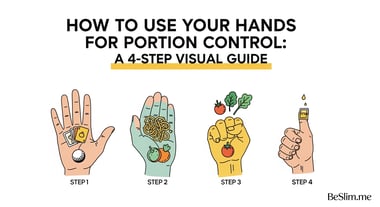
Use mindfulness to guide portions without measuring.
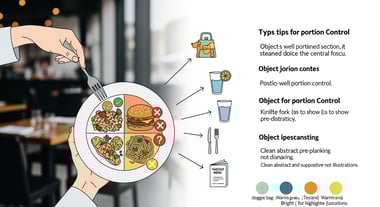
- Daily Actions: Serve food on smaller plates and eat half, then check fullness before continuing. Focus on balanced plates: half veggies, quarter protein, quarter carbs.
- Practical Tip: Visualize your stomach as a fuel tank—aim to fill it to 80% capacity.
- Why It Works: This promotes intuitive eating, supported by research showing long-term weight stability.
- Expected Outcome: Natural downsizing of portions, supporting 1-2 pounds of monthly weight loss.
Step 6: Week 6 - Incorporate Gratitude and Reflection
Add a reflective element to deepen the practice.
- Daily Actions: Before eating, express gratitude for your meal (e.g., "I'm thankful for this nourishing food"). After, reflect: "How did this make me feel? What could I adjust?"
- Practical Tip: Use a gratitude app or notebook for quick entries.
- Why It Works: Gratitude enhances positive associations with healthy eating, improving adherence.
- Expected Outcome: Stronger commitment, making mindful eating a habitual mindset shift.
Step 7: Week 7 - Integrate and Maintain
Combine all steps into daily life and plan for longevity.
- Daily Actions: Apply the full practice to all meals. Review your journal weekly to tweak habits.
- Practical Tip: Join a mindful eating community or app for accountability.
- Why It Works: Integration ensures sustainability, with studies showing lasting effects on weight and well-being.
- Expected Outcome: By now, mindful eating feels natural, supporting ongoing weight loss through empowered choices.
This roadmap is flexible—adjust based on your progress. Remember, potential side effects include temporary digestive changes from slower eating, and it's unsustainable if forced; treat it as a skill to master gradually.
Common Pitfalls and How to Avoid Them
Even with the best intentions, pitfalls can derail mindful eating. Here's a strategic breakdown of common issues, with evidence-based avoidance tactics. This section addresses risks head-on to ensure safe implementation.
- Pitfall: Rushing Through Meals Due to Busy Schedules – Avoidance: Schedule 15-20 minutes for meals as non-negotiable "me time." Research shows rushed eating increases calorie intake by up to 15%, so prioritize this for effectiveness.
- Pitfall: Overthinking and Creating Anxiety – Avoidance: Start small with one meal per day to build confidence. If anxiety arises, consult a therapist; studies indicate mindfulness can reduce stress but may initially heighten awareness of issues.
- Pitfall: Falling Back into Old Habits Under Stress – Avoidance: Prepare "mindful snacks" in advance and use reminders. Evidence from behavioral studies highlights the need for triggers to reinforce new patterns.
- Pitfall: Expecting Rapid Weight Loss – Avoidance: Set realistic goals (e.g., focus on habit formation over scale numbers). Mindful eating's unsustainability risk lies in impatience—combine with exercise for balanced results.
- Pitfall: Ignoring Nutritional Balance – Avoidance: Educate yourself on basic nutrition; pair with a registered dietitian if needed to prevent deficiencies.
By anticipating these, you'll mitigate risks like frustration or plateaus, making the practice more resilient.
3 Highly Actionable Tips for Immediate Start
To jumpstart your journey today, here are three immediate, goal-oriented tips. Implement them right away for quick wins.
- Start with Breakfast Awareness: Tomorrow morning, eat your first meal without distractions—focus on each bite. This sets a mindful tone for the day and can reduce overall intake.
- Use the Hunger Scale Tool: Print or download a hunger scale chart and reference it before eating. Rate your hunger to avoid eating out of boredom, promoting instant portion control.
- Incorporate a 5-Minute Pause: Before any snack, pause for five deep breaths and ask, "Am I truly hungry?" This simple habit curbs impulsive choices and aligns with evidence on impulse reduction.
These tips are low-barrier entry points, drawing from the roadmap to deliver tangible progress.
In summary, as Master Kim, I recommend mindful eating as a strategic, evidence-backed path to weight loss. It's about empowerment through awareness, not restriction. Track your journey, stay consistent, and adjust as needed for lasting results.
References
- Mindful eating interventions have been shown to reduce body mass index - pubmed.ncbi.nlm.nih.gov
- Research from the National Institutes of Health indicates that mindful hunger awareness can decrease caloric intake - niddk.nih.gov
- Mayo Clinic experts note that this technique can aid weight loss by improving portion control - mayoclinic.org


Medical Disclaimer
The content on this website is for informational and educational purposes only. It is not intended as medical advice and should not be relied upon as a substitute for consultations with qualified healthcare professionals who are familiar with your individual medical needs. Always seek the advice of your physician or other qualified healthcare provider with any questions you may have regarding a medical condition. Never disregard professional medical advice or delay in seeking it because of something you have read on this website.