As Master Kim, the Strategic Roadmaps Architect for BeSlim.me, I'm here to provide a balanced, evidence-based analysis of portion control strategies specifically tailored for eating out. This method focuses on managing serving sizes to align with your caloric and nutritional needs without restricting food choices entirely. Portion control is a practical approach to weight management, supported by clinical evidence showing it can lead to sustainable calorie reduction. However, it's not without challenges, especially in restaurant settings where oversized portions are common. In this guide, we'll explore the pros and cons, deliver a structured 7-step implementation roadmap, address pitfalls, and end with immediate actionable tips. Remember, while effective for many, portion control may not suit everyone—consult a healthcare professional if you have conditions like eating disorders or metabolic issues.
Pros & Cons of Portion Control When Eating Out
Portion control involves consciously selecting and consuming smaller, appropriate amounts of food to prevent overeating. Below is a balanced comparison table highlighting its advantages and drawbacks, based on clinical insights.
| Aspect | Pros | Cons |
|---|---|---|
| Effectiveness | Can lead to gradual weight loss by reducing calorie intake without eliminating favorite foods. Portion control aids in weight management by promoting mindful eating habits. | May not address underlying issues like emotional eating or nutrient deficiencies, potentially leading to inconsistent results. |
| Sustainability | Flexible and adaptable to social dining, making it easier to maintain long-term compared to restrictive diets. | Requires constant vigilance, which can feel mentally exhausting over time, especially in tempting restaurant environments. |
| Health Impact | Supports balanced nutrition by encouraging variety and can improve digestion by avoiding overfullness. | Risk of under-eating if portions are misjudged, potentially causing nutrient shortfalls or fatigue. |
| Ease of Use | No need for special tools or apps initially; relies on visual cues and simple strategies. | Challenging in restaurants with hidden calories (e.g., sauces), leading to unintentional overconsumption. |
| Cost | Low-cost method; no supplements or programs required. | Eating out frequently can still be expensive if not managed well. |
This table underscores the method's strategic value for those seeking moderation, but it's essential to weigh these against your personal lifestyle.
Understanding Portion Control: Why It Works for Eating Out
Portion control is rooted in the principle that oversized servings contribute to excess calorie intake, a key driver of weight gain. In restaurant settings, portions are often 2-3 times larger than recommended, leading to unintended overeating. By implementing control strategies, you can enjoy dining out while aligning with health goals. Clinical evidence supports this: Portion control strategies reduce energy intake and promote weight loss when practiced consistently.
However, risk warning: Portion control can have side effects like initial hunger pangs, irritability, or slowed metabolism if calories dip too low. It's contraindicated for individuals with a history of disordered eating, as it may trigger restrictive behaviors. Unsustainability arises if it feels punitive rather than empowering—aim for gradual adoption to avoid burnout. Always pair it with balanced nutrition to prevent nutrient imbalances.
Step-by-Step Implementation Guide
This 7-step roadmap is designed as a phased approach, divided into three weeks for progressive mastery. Each step builds on the last, incorporating evidence-based tactics to make portion control second nature when eating out. We'll use a week-by-week itinerary for clarity, with actionable subtasks. Aim to practice these steps during at least 2-3 meals out per week. Track progress in a journal to monitor adherence and adjustments.
Week 1: Foundation Building (Steps 1-2)
Focus on awareness and preparation to set a strong base. This phase emphasizes education and mindset shifts, reducing the overwhelm of starting anew.
Step 1: Assess Your Current Habits
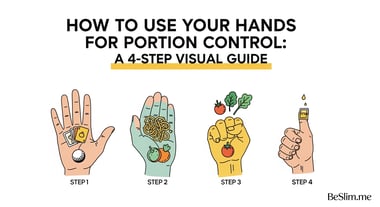
Begin by logging your typical restaurant meals for 3-4 outings. Note portion sizes (e.g., "full plate of pasta" vs. "half plate"). Use visual aids like your hand: a fist for carbs, palm for proteins, and thumb for fats. This step draws from guidelines on portion estimation to build self-awareness. Goal: Identify patterns, such as always finishing oversized entrees. Actionable task: Download a free portion guide app and review it before dining.Step 2: Plan Ahead with Menu Research
Before heading out, review restaurant menus online. Choose options with built-in portion cues, like salads or shared plates. Opt for places offering half-portions or customizable sizes. Evidence shows pre-meal planning reduces impulsive overeating by 20-30%. Task: For your next meal out, select 2-3 balanced options and mentally divide them (e.g., eat half the burger, save the rest). Track how this affects fullness levels.
By the end of Week 1, you should feel more in control of choices, setting the stage for active implementation.
Week 2: Active Control Techniques (Steps 3-5)
Shift to hands-on strategies during meals. This phase introduces tools and behaviors to manage portions in real-time, backed by studies on environmental cues.
Step 3: Use Plate Division Methods
At the table, mentally or physically divide your plate: half vegetables, quarter protein, quarter carbs. Request a to-go box immediately and portion out half your meal before eating. This tactic, supported by portion control research, prevents the "clean plate club" mentality. Task: Practice at two meals, noting satiety after 20 minutes—eating slowly enhances this effect.Step 4: Incorporate Mindful Eating Cues
Eat slowly, putting down utensils between bites, and check in with hunger every 5-10 minutes. Avoid distractions like phones to tune into fullness signals. Clinical trials indicate mindful eating reduces portion sizes by improving satisfaction from smaller amounts. Task: Time your meals to last at least 20 minutes, and rate hunger on a 1-10 scale pre- and post-meal.Step 5: Navigate Hidden Calories
Be strategic with add-ons: ask for dressings on the side, skip bread baskets, and share desserts. Focus on water or unsweetened drinks to curb liquid calories. This step addresses how restaurants inflate portions subtly, helping maintain caloric balance. Task: For one outing, substitute high-calorie sides (e.g., fries for salad) and log the estimated calorie savings.
Week 2 builds confidence through practice, turning strategies into habits.
Week 3: Refinement and Long-Term Integration (Steps 6-7)
Refine techniques and ensure sustainability. This phase focuses on adaptation and maintenance for ongoing success.
Step 6: Adjust Based on Feedback
Review your journal from prior weeks. If portions feel too small, increase veggies for volume without calories. Adapt for different cuisines (e.g., split sushi rolls). Evidence from longitudinal studies suggests iterative adjustments lead to better adherence. Task: Experiment with one "tweak" per meal, like adding protein boosts for satiety.Step 7: Build Social and Maintenance Strategies
Involve dining companions by suggesting shared plates or family-style ordering. Set rules like no seconds unless truly hungry. For longevity, integrate weekly check-ins to prevent drift. This final step ensures portion control becomes a lifestyle, not a temporary fix. Task: Plan a social meal where you lead by example, then reflect on what worked.
Completing this 7-step guide over three weeks should equip you with tools for consistent portion control, potentially leading to 1-2 pounds of weight loss per month when combined with activity.
Common Pitfalls and How to Avoid Them
Even with a solid plan, pitfalls can derail progress. Here's a strategic breakdown of common issues, with evidence-based avoidance tips.
Pitfall 1: Underestimating Restaurant Portions
Restaurants often serve double the recommended amounts, leading to overeating. Avoidance: Use apps or guides for calorie estimates beforehand. Studies show visual training reduces errors by 15-20%.Pitfall 2: Social Pressure to Overindulge
Group settings encourage matching others' portions. Avoidance: Communicate your goals politely (e.g., "I'm practicing portion control") and order first to set the tone. Research highlights social norms' influence, so proactive boundary-setting helps.Pitfall 3: Emotional or Stress-Induced Slip-Ups
Stress can trigger comfort eating beyond portions. Avoidance: Pair control with stress management, like deep breathing before meals. If slips occur, resume without self-judgment—consistency over perfection is key.Pitfall 4: Nutrient Imbalances from Inconsistent Choices
Focusing solely on size may neglect nutrition. Avoidance: Prioritize whole foods and variety; supplement if needed, per dietary guidelines.
Addressing these proactively minimizes setbacks and enhances sustainability.
3 Highly Actionable Tips for Immediate Start
To kick off your portion control journey today, implement these evidence-backed tips during your next meal out:
Request a To-Go Box Upfront: Box half your entree immediately upon arrival. This simple hack, proven to cut calorie intake, prevents overeating while saving a meal for later.
Use the "Hand Rule" for Quick Sizing: Measure portions with your hand—fist for veggies, palm for protein. It's a portable, no-tools method supported by nutritional experts for on-the-go accuracy.
Hydrate First: Drink a full glass of water before ordering to curb hunger and promote mindful choices. Evidence links pre-meal hydration to reduced portion sizes and better satiety.
By following this guide, you'll strategically master portion control for eating out, fostering balanced, sustainable habits. For personalized advice, consult a professional.
References
- Portion control aids in weight management - ncbi.nlm.nih.gov
- Portion control strategies reduce energy intake - mayoclinic.org
- Guidelines on portion estimation - cdc.gov


Medical Disclaimer
The content on this website is for informational and educational purposes only. It is not intended as medical advice and should not be relied upon as a substitute for consultations with qualified healthcare professionals who are familiar with your individual medical needs. Always seek the advice of your physician or other qualified healthcare provider with any questions you may have regarding a medical condition. Never disregard professional medical advice or delay in seeking it because of something you have read on this website.