As Master Kim, the Strategic Roadmaps Architect for BeSlim.me, I specialize in dissecting diet strategies to deliver balanced, evidence-based roadmaps. The MyPlate method, developed by the USDA, is a visual guide to building healthier meals by dividing your plate into sections for fruits, vegetables, grains, proteins, and dairy. This approach emphasizes portion control without strict calorie counting, making it accessible for sustainable weight management. In this guide, I'll analyze its pros and cons, provide a phased implementation roadmap, highlight pitfalls, and offer actionable tips. Backed by clinical evidence, this method promotes balanced nutrition but requires personalization for long-term success.
Pros & Cons of the MyPlate Method
To start, let's evaluate the MyPlate method analytically. This table outlines its key advantages and drawbacks based on nutritional science and user feedback.
| Aspect | Pros | Cons |
|---|---|---|
| Ease of Use | Simple visual cues make it beginner-friendly; no need for apps or scales. | May oversimplify for those with specific dietary needs, like athletes or vegans. |
| Nutritional Balance | Encourages variety across food groups, supporting overall health and weight loss. | Doesn't account for calorie density; overeating "healthy" portions can still lead to weight gain. |
| Sustainability | Promotes lifelong habits rather than restrictive dieting. | Lacks guidance on meal frequency or timing, potentially leading to inconsistency. |
| Evidence Base | Supported by studies showing improved dietary quality and portion awareness. | Not ideal for medical conditions like diabetes without adjustments; may not address emotional eating. |
| Cost and Accessibility | Relies on everyday foods, making it affordable and widely applicable. | Cultural or regional food preferences might not align perfectly with USDA recommendations. |
This balanced view highlights MyPlate's strength in fostering mindful eating while acknowledging its limitations in customization.
Understanding the MyPlate Method
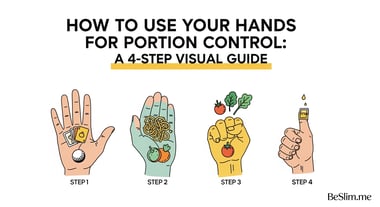
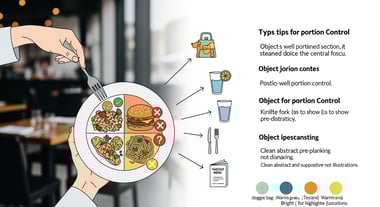
The MyPlate method visualizes a standard dinner plate divided as follows: half for fruits and vegetables, a quarter for whole grains, a quarter for lean proteins, and a side of dairy or dairy alternatives. It's designed to help control portions intuitively, reducing overeating while ensuring nutrient diversity. According to the USDA, this approach can lead to better weight management by prioritizing whole foods over processed ones.
Clinical evidence supports its effectiveness. For instance, research from the NIH shows MyPlate improves fruit and vegetable intake, which correlates with reduced obesity risk in adults. However, it's not a one-size-fits-all solution—potential side effects include initial hunger if transitioning from high-calorie diets, and it's contraindicated for those with eating disorders without professional supervision, as it could trigger restrictive behaviors. Sustainability may wane if not adapted to personal lifestyles, leading to yo-yo dieting.
Step-by-Step Implementation Guide
To make MyPlate actionable, I've structured a 5-step roadmap as a phased plan over four weeks. This builds habits progressively, starting with basics and advancing to integration. Each step includes evidence-based rationale, daily actions, and tracking tips. Aim for consistency, adjusting portions based on activity level (e.g., larger for active individuals).
Phase 1: Preparation (Week 1)
Focus on education and setup to build a strong foundation. This phase prevents overwhelm by introducing concepts gradually.
Assess Your Current Eating Habits: Log your meals for 3-5 days using a journal or app. Identify imbalances, like excessive grains or minimal veggies.
- Why it works: Baseline tracking enhances awareness, as supported by studies from the CDC on self-monitoring for weight control.
- Action steps: Divide a sample plate visually—half fruits/veggies, quarter grains, quarter protein. Practice with one meal daily.
- Tracking: Note hunger levels post-meal to gauge satisfaction.
Stock Your Kitchen: Shop for MyPlate-friendly foods: colorful veggies (broccoli, berries), whole grains (quinoa, brown rice), lean proteins (chicken, beans), and low-fat dairy (yogurt).
- Why it works: Availability influences choices, reducing impulse eating.
- Action steps: Create a grocery list divided by MyPlate sections. Aim for variety to avoid monotony.
- Tracking: Prep simple meals, like a salad with grilled fish, to test portions.
Phase 2: Core Application (Week 2)
Apply the plate model to all meals, emphasizing portion visualization.
- Build Balanced Plates: For every meal, fill half your plate with non-starchy veggies and fruits, a quarter with grains, and a quarter with protein. Add dairy on the side.
- Why it works: This ratio promotes satiety through fiber and protein, aiding weight loss without calorie restriction. Evidence from Mayo Clinic research on portion control methods indicates it can reduce daily intake by 200-500 calories.
- Action steps: Use a 9-inch plate to standardize portions. Example breakfast: oatmeal (grains) with berries (fruits) and eggs (protein).
- Tracking: Photograph meals and rate them on a 1-10 balance scale.
Phase 3: Refinement and Adaptation (Week 3)
Customize for your needs, addressing challenges like dining out.
- Adapt for Real Life: Modify for vegetarian/vegan options (e.g., tofu for protein) or cultural foods (e.g., rice as grains with stir-fried veggies).
- Why it works: Personalization boosts adherence, preventing dropout.
- Action steps: Experiment with recipes, like a veggie stir-fry plate. When eating out, mentally divide restaurant portions.
- Tracking: Adjust based on energy levels—if fatigued, increase protein slightly.
Phase 4: Maintenance and Monitoring (Week 4 and Beyond)
Solidify habits and monitor progress for long-term sustainability.
- Monitor and Adjust: Weigh yourself weekly and reassess logs. Incorporate physical activity to complement portion control.
- Why it works: Ongoing evaluation sustains results, with studies showing combined diet-activity approaches yield better outcomes.
- Action steps: Set non-scale goals, like improved energy. If weight stalls, consult a doctor for tweaks.
- Tracking: Use a habit tracker app to log adherence; celebrate milestones.
This phased approach ensures gradual adoption, minimizing risks like nutrient deficiencies if plates lack variety. Remember, while effective for many, MyPlate's unsustainability arises if it feels rigid—always consult a healthcare provider for personalized advice, especially with conditions like kidney disease where protein limits apply.
Common Pitfalls and How to Avoid Them
Even straightforward methods like MyPlate can trip users up. Here's a strategic breakdown of frequent issues, with evidence-based avoidance strategies.
Pitfall: Ignoring Calorie Density – Filling plates with high-calorie items (e.g., fried proteins) defeats portion control.
- Avoidance: Prioritize low-calorie, high-volume foods like leafy greens. Studies show this enhances fullness without excess calories.
Pitfall: Overlooking Hydration and Snacks – MyPlate focuses on meals, potentially leading to mindless snacking.
- Avoidance: Drink water before meals and apply MyPlate to snacks (e.g., apple with nuts). Dehydration can mimic hunger, per nutritional guidelines.
Pitfall: Lack of Variety Leading to Boredom – Repeating foods causes burnout and nutrient gaps.
- Avoidance: Rotate options weekly—try new veggies or proteins. This sustains interest and ensures micronutrient intake, as backed by dietary diversity research.
Pitfall: Not Accounting for Activity Levels – Sedentary users might undereat, causing fatigue.
- Avoidance: Scale portions up for exercise; active individuals need more grains/protein. Monitor energy and adjust accordingly.
Addressing these proactively keeps the method balanced and effective, reducing risks like unsustainable weight loss or rebound overeating.
3 Highly Actionable Tips for Immediate Start
To jumpstart your MyPlate journey, implement these confident, goal-oriented tips today:
Visualize Your First Plate: Grab a standard plate and divide it mentally—load half with salad and fruit, then add quinoa and chicken. Eat mindfully to build the habit instantly.
Prep One Meal Ahead: Tonight, assemble a MyPlate lunch: veggies, whole-grain wrap, turkey, and yogurt. This sets a precedent for consistency without overthinking.
Track One Day's Wins: Log today's meals in a notes app, noting MyPlate alignment. Celebrate small victories to maintain motivation and refine tomorrow.
By following this guide, you'll harness MyPlate's simplicity for effective portion control. Stay strategic—results compound with persistence.
References
- Research from the NIH shows MyPlate improves fruit and vegetable intake - niddk.nih.gov
- Studies from the CDC on self-monitoring for weight control - cdc.gov
- Mayo Clinic research on portion control methods - mayoclinic.org


Medical Disclaimer
The content on this website is for informational and educational purposes only. It is not intended as medical advice and should not be relied upon as a substitute for consultations with qualified healthcare professionals who are familiar with your individual medical needs. Always seek the advice of your physician or other qualified healthcare provider with any questions you may have regarding a medical condition. Never disregard professional medical advice or delay in seeking it because of something you have read on this website.