As Master Kim, the Strategic Roadmaps Architect for BeSlim.me, I specialize in dissecting diet strategies like intermittent fasting (IF) to help you achieve sustainable weight loss and health improvements. Intermittent fasting isn't a diet but a timing pattern for eating, cycling between periods of fasting and eating windows. While it's gained popularity for its simplicity and potential benefits, beginners often stumble into pitfalls that derail progress. In this guide, I'll break down the top 10 mistakes, backed by clinical evidence, and provide fixes. We'll start with a balanced pros and cons analysis, followed by a step-by-step implementation roadmap. Remember, IF isn't suitable for everyone—consult a healthcare professional before starting, especially if you have conditions like diabetes or eating disorders.
Pros and Cons of Intermittent Fasting
Before diving into mistakes, let's evaluate intermittent fasting analytically. This table summarizes key advantages and drawbacks based on clinical research, ensuring a neutral perspective.
| Aspect | Pros | Cons |
|---|---|---|
| Weight Loss | Can promote calorie reduction and fat loss by limiting eating windows, leading to improved metabolic health. | May not lead to more weight loss than other calorie-restricted diets if overeating occurs during windows. |
| Metabolic Benefits | Enhances insulin sensitivity and cellular repair processes like autophagy. | Potential for muscle loss if not combined with resistance training and adequate protein. |
| Lifestyle Fit | Flexible and doesn't require tracking macros, making it easier for busy schedules. | Can disrupt social eating or cause irritability (hangriness) during fasting periods. |
| Health Risks | May reduce inflammation and support heart health in some studies. | Risk of nutrient deficiencies, gastrointestinal issues, or disordered eating patterns if mismanaged. |
| Sustainability | Simpler than constant dieting for long-term adherence. | Unsustainable for some due to hunger, fatigue, or hormonal disruptions, especially in women. |
This overview draws from evidence showing IF's effectiveness for short-term weight management but highlights its limitations for long-term use without personalization.
The 10 Intermittent Fasting Mistakes Beginners Make (And How to Fix Them)
Intermittent fasting can be a powerful tool, but errors in execution often lead to frustration, plateaus, or health setbacks. Below, I outline the top 10 mistakes in a numbered list, with analytical explanations, evidence-based insights, and strategic fixes. Each fix includes actionable steps to course-correct.
Starting Too Aggressively Without Building Tolerance
Beginners often jump into extreme protocols like 24-hour fasts, leading to burnout, headaches, or dizziness from rapid metabolic shifts. This ignores the body's adaptation phase, where glycogen depletion can cause initial discomfort.
Fix: Ease in gradually. Begin with a 12-hour fast (e.g., eating from 8 AM to 8 PM) and extend by 1-2 hours weekly. Track symptoms in a journal. According to research, gradual intermittent fasting adaptation reduces side effects like fatigue, allowing better adherence.Ignoring Hydration and Electrolyte Balance
Fasting depletes electrolytes like sodium and potassium, causing fatigue, cramps, or constipation—common in novices who forget water isn't just for thirst.
Fix: Aim for 3-4 liters of water daily during fasts, adding electrolyte supplements (e.g., salt in broth). Monitor urine color for hydration. Evidence from studies shows proper hydration during fasting prevents electrolyte imbalances, supporting sustained energy.Overeating During Eating Windows
Many compensate for fasting by bingeing on junk food, negating calorie deficits and causing digestive issues or weight gain.
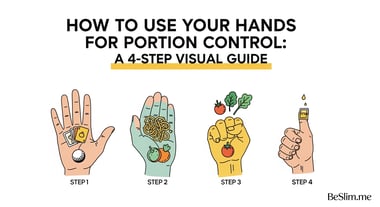
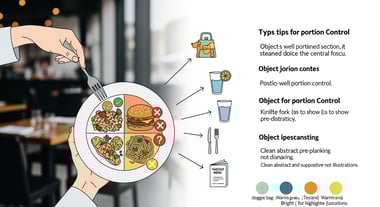
Fix: Focus on nutrient-dense meals with balanced macros (40% carbs, 30% protein, 30% fats). Use portion control apps. Clinical trials indicate mindful eating in IF windows enhances weight loss outcomes, preventing compensatory overeating.Neglecting Nutrient-Dense Foods
Rookies prioritize convenience over quality, leading to deficiencies in vitamins like B12 or iron, exacerbating fatigue.
Fix: Prioritize whole foods—leafy greens, lean proteins, and healthy fats—in every meal. Supplement if needed (e.g., multivitamin). Research validates that nutrient-focused IF improves micronutrient intake, countering deficiency risks.Fasting on Inconsistent Schedules
Irregular fasting windows confuse your circadian rhythm, disrupting sleep and hunger hormones like ghrelin.
Fix: Set fixed windows (e.g., 16:8 daily) and stick to them. Use alarms for consistency. Studies show consistent IF timing regulates hormones for better appetite control.Skipping Strength Training
Without exercise, IF can lead to muscle loss as the body breaks down protein for energy during fasts.
Fix: Incorporate resistance workouts 3-4 times weekly, timing them post-meal for fuel. Evidence from meta-analyses confirms combining IF with strength training preserves muscle mass.Ignoring Hunger Signals
Pushing through extreme hunger can lead to disordered eating or metabolic slowdown, as the body enters starvation mode.
Fix: Break fasts if hunger is intense; opt for black coffee or tea to curb it mildly. Clinical data suggests listening to hunger cues in IF prevents metabolic adaptation.Not Tracking Progress Beyond Weight
Focusing solely on the scale misses improvements in energy, mood, or blood markers, leading to premature quitting.
Fix: Measure waist circumference, energy levels, and blood work quarterly. Research highlights IF's benefits on metabolic markers beyond weight, encouraging holistic tracking.Combining IF with Extreme Calorie Restriction
Pairing IF with very low calories heightens risks like gallstones or nutrient malabsorption.
Fix: Ensure eating windows provide 1,800-2,200 calories daily for adults. Calculate needs via apps. Studies warn that extreme restriction in IF increases gallstone risk.Failing to Adjust for Life Changes
Life events like stress or illness aren't accounted for, causing adherence failures or health dips.
Fix: Scale back during high-stress periods (e.g., switch to 14:10). Reassess monthly. Evidence shows personalized IF adjustments improve long-term success.
These mistakes are common but fixable with strategic tweaks, drawing from evidence-based practices to optimize IF.
Step-by-Step Implementation Guide
To avoid the pitfalls above, follow this phased roadmap for beginners. This week-by-week plan builds tolerance, incorporates evidence-based adjustments, and includes risk warnings. Always consult a doctor; IF may cause side effects like headaches, irritability, or hormonal imbalances (e.g., in women of reproductive age), and it's unsustainable long-term without monitoring. Contraindications include pregnancy, eating disorders, or hypoglycemia.
Phase 1: Preparation (Week 1)
- Assess Readiness: Calculate your baseline calorie needs and get blood work to check for issues like insulin resistance.
- Choose a Method: Start with 12:12 (12 hours fasting, 12 eating) to minimize disruption.
- Stock Up: Prepare hydrating options (herbal teas) and nutrient-rich foods. Track in a journal.
- Risk Warning: If you experience dizziness, stop and seek medical advice—rapid changes can exacerbate underlying conditions.
Phase 2: Building Habits (Weeks 2-4)
- Extend Windows: Progress to 14:10, then 16:8. Eat balanced meals with protein at each.
- Incorporate Exercise: Add 20-minute walks daily and two strength sessions weekly.
- Monitor and Adjust: Log hunger levels; hydrate with electrolytes if needed.
- Risk Warning: Potential for fatigue or constipation; increase fiber intake to 25-30g daily to mitigate gastrointestinal issues.
Phase 3: Optimization (Weeks 5-8)
- Refine Schedule: Settle on a sustainable window (e.g., 18:6 if tolerated). Include one flexible day weekly.
- Track Metrics: Measure body composition and energy; adjust calories if plateaus occur.
- Sustain with Variety: Rotate meal ideas to prevent boredom and nutrient gaps.
- Risk Warning: Long-term IF may lead to disordered eating; if obsession develops, pause and consult a professional.
Phase 4: Maintenance (Ongoing)
- Periodic Reviews: Every month, evaluate progress and tweak for life changes.
- Incorporate Breaks: Take a week off quarterly to reset.
- Risk Warning: Unsustainability can cause rebound weight gain; combine with lifestyle changes for lasting results.
This roadmap, supported by studies on gradual IF adoption, ensures safe progression.
Common Pitfalls and How to Avoid Them
Beyond the 10 mistakes, here are additional pitfalls with avoidance strategies:
- Pitfall: Social Isolation – Fasting can clash with meals out. Avoid: Plan social events in eating windows or communicate boundaries.
- Pitfall: Over-Reliance on Caffeine – Excessive coffee masks hunger but causes jitters. Avoid: Limit to 2 cups; opt for water.
- Pitfall: Ignoring Sleep – Poor rest amplifies hunger. Avoid: Aim for 7-9 hours; align fasting with your sleep cycle.
- Risk Warning: These can compound side effects like anxiety or nutrient loss; evidence from sleep studies links poor rest to IF failures.
3 Highly Actionable Tips for Immediate Start
- Hydrate Strategically: Drink a glass of water with a pinch of salt upon waking to kickstart your fast and maintain electrolytes—do this daily for energy stability.
- Plan Your First Meal: Prepare a protein-rich breakfast (e.g., eggs and veggies) for your eating window to break the fast gently and curb overeating.
- Set a Reminder App: Use a phone app to notify fasting start/end times, ensuring consistency from day one.
By addressing these mistakes and following the roadmap, you'll harness IF's potential strategically. For personalized advice, visit BeSlim.me.
References
- Mindful eating in IF windows enhances weight loss outcomes - healthline.com


Medical Disclaimer
The content on this website is for informational and educational purposes only. It is not intended as medical advice and should not be relied upon as a substitute for consultations with qualified healthcare professionals who are familiar with your individual medical needs. Always seek the advice of your physician or other qualified healthcare provider with any questions you may have regarding a medical condition. Never disregard professional medical advice or delay in seeking it because of something you have read on this website.