Hey there, I'm Master Kim, your Empathic Storyteller here at BeSlim.me. Today, I'm sharing a deeply personal narrative that's close to my heart—it's my own story of triumph, setback, and ultimate recovery. If you've ever ridden the rollercoaster of weight loss, only to face the gut-wrenching reality of regain, know that you're not alone. I've been there, feeling the shame, the frustration, and the quiet desperation. But through it all, I've learned that true transformation isn't about quick fixes; it's about understanding ourselves, building sustainable habits, and showing up with kindness for our bodies. Let's dive into my journey, step by step, and I hope it resonates with you.
The Struggle: Battling the Weight, the Wins, and the Inevitable Fall
I remember the day I hit rock bottom like it was yesterday. At 35 years old, I was tipping the scales at 250 pounds, carrying the weight not just on my frame but in my soul. My days were a blur of exhaustion—panting after a short walk, avoiding mirrors, and dodging social invites because I felt like an outsider in my own skin. Emotionally, it was a storm: self-doubt whispering that I'd never change, guilt from years of yo-yo dieting, and a deep-seated fear that my health was slipping away. I'd tried everything—crash diets, gym memberships that gathered dust, even those late-night infomercial promises that never delivered. Each failure chipped away at my confidence, leaving me feeling more defeated than before.
That's when I discovered keto. It started as a desperate Google search one sleepless night: "fast way to lose weight." The before-and-after photos hooked me—people shedding pounds like old coats. I dove in headfirst, cutting carbs to the bone, loading up on fats and proteins. Bacon for breakfast? Sign me up. The first few weeks were magical. The scale dropped 10 pounds, then 20. I felt energized, almost invincible. By month six, I'd lost 70 pounds. Clothes fit again, compliments flowed in, and for the first time in years, I looked in the mirror and smiled. It wasn't just physical; my mood lifted, and I started believing in myself. Keto felt like the answer I'd been searching for.
But cracks began to show. The restrictiveness wore me down—cravings for a simple slice of bread turned into obsessions. Socially, it isolated me; dinners with friends became awkward explanations of why I couldn't eat the pasta. Then the physical toll hit: constant fatigue, hair thinning, and irregular cycles that my doctor linked to nutrient deficiencies. I pushed through, convinced this was just a phase, but my body had other plans. Stress from work piled on, and without carbs to fuel my brain, my cortisol levels spiked, making everything worse. One day, after a particularly grueling week, I caved—a cheat meal turned into a cheat weekend, then a full-blown return to old habits.
The regain was swift and merciless. Within months, 40 pounds crept back. I felt like a failure, replaying every "what if" in my head. Why couldn't I stick to it? Was I weak? The emotional weight was heavier than the physical—shame kept me from the gym, and isolation fed the cycle. I'd lost the battle before, but this felt different: a betrayal of my own progress. Failed attempts to restart keto only led to more frustration; I'd lose a few pounds, then rebound harder. It was a vicious loop, and I was trapped, questioning if sustainable change was even possible for someone like me.
The Turning Point: Discovering a Gentler Path Forward
The moment of change came unexpectedly, during a routine check-up. My doctor sat me down and said, "Kim, keto worked for a while, but it's not sustainable for everyone. Let's talk about why your body fought back." That conversation opened my eyes to the science behind my struggles. It wasn't just willpower; it was biology. She explained how prolonged low-carb dieting can lead to leptin resistance, where the hormone that signals fullness to your brain gets out of whack, making you hungrier and slowing your metabolism. According to research on leptin resistance and weight regain, this adaptation often explains why people like me regain weight after restrictive diets—our bodies think they're starving and fight to restore balance.
Inspired, I started researching. I learned about cortisol management, the stress hormone that surges under pressure and promotes fat storage, especially around the belly. Chronic stress from my job and dieting had kept my cortisol elevated, sabotaging my efforts. A study from the Mayo Clinic on cortisol's role in weight gain highlighted how unmanaged stress can derail even the best intentions, emphasizing techniques like mindfulness to bring levels down.
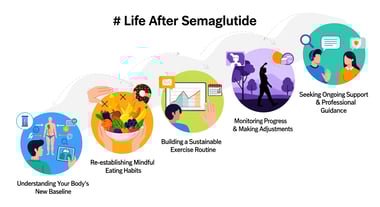
This led me to a new approach: not another diet, but a holistic shift toward balanced eating and habit formation. I discovered the power of building small, consistent habits—James Clear's Atomic Habits became my bible, but the science backed it up. Insights from the National Institutes of Health on habit formation show that habits form through repetition and cues, rewiring the brain for long-term change. Instead of banning carbs, I focused on incorporating them mindfully—whole grains, veggies, and proteins in balanced meals. I added daily walks, not as punishment but as self-care, and practiced meditation to tame cortisol.
The turning point wasn't a single "aha" moment but a series of small choices. I tracked my emotions alongside my food, noticing how stress triggered binges. Therapy helped unpack the psychological side—why I used food as comfort. Slowly, I rebuilt trust in my body, moving away from keto's all-or-nothing mentality to something flexible and kind.
The Success: Reclaiming My Life, One Step at a Time
Fast-forward two years, and I've not only shed the regained weight but maintained a healthy 150 pounds for over a year. It's not about the scale anymore; it's the freedom. I wake up energized, ready to tackle hikes I once avoided. Socially, I'm back—enjoying meals without guilt, laughing with friends over shared plates. My relationships have deepened; I'm present, not preoccupied with calories. Health-wise, my bloodwork is stellar—no more nutrient gaps or hormonal chaos. But the real win is mental: I've traded self-criticism for compassion, understanding that slip-ups are part of the process, not the end.
Life transformed in ways I never expected. Work stress? I handle it with breathing exercises, keeping cortisol in check. Cravings hit? I address the emotion first, often finding it's boredom or anxiety, not true hunger. I've even started a small support group at work, sharing my story to help others avoid the regain trap. The journey taught me that success isn't linear—it's about resilience. I lost 70 pounds on keto, regained half, then recovered by losing 50 more through sustainable means. Today, I feel empowered, not enslaved to a diet.
Of course, there were hurdles. Plateaus tested my patience, and old habits whispered temptations. But by focusing on progress over perfection, I pushed through. The lessons? They're hard-won but invaluable, and I hope they light your path too.
Key Lessons for Your Journey
- Listen to Your Body's Signals: Restrictive diets like keto can disrupt hormones like leptin, leading to regain. Tune in to hunger cues and opt for balanced nutrition to support long-term health—start by adding one vegetable-rich meal a day.
- Manage Stress Proactively: High cortisol from life or dieting fuels weight gain. Incorporate daily practices like 10-minute meditations or walks to lower stress and build emotional resilience.
- Build Habits, Not Restrictions: Sustainable change comes from small, repeatable actions. Track one new habit weekly, like mindful eating, to rewire your routines without overwhelm.
If my story resonates, remember: your journey is unique, and it's okay to pivot. You've got the strength within—keep going, one empathetic step at a time.
References
- Research on leptin resistance and weight regain - pubmed.ncbi.nlm.nih.gov
- Mayo Clinic on cortisol's role in weight gain - mayoclinic.org
- Insights from the National Institutes of Health on habit formation - newsinhealth.nih.gov

Medical Disclaimer
The content on this website is for informational and educational purposes only. It is not intended as medical advice and should not be relied upon as a substitute for consultations with qualified healthcare professionals who are familiar with your individual medical needs. Always seek the advice of your physician or other qualified healthcare provider with any questions you may have regarding a medical condition. Never disregard professional medical advice or delay in seeking it because of something you have read on this website.