Hello, I'm Master Kim, your Empathic Storyteller and Editor here at BeSlim.me. If you're reading this, chances are you've been wrestling with the weight of chronic obesity, just like I have for much of my adult life. In this personal narrative, set against the backdrop of 2026's evolving landscape of weight management, I'll share my own journey—not as a miracle tale, but as an honest reflection on the gritty realities of managing obesity as a lifelong condition. We'll explore whether GLP-1 agonists, those game-changing medications like semaglutide, are destined to be a permanent fixture or if there's a path to sustainable freedom. This isn't about quick fixes; it's about the emotional toll, the science-backed strategies, and the hard-won lessons that have reshaped my life. Let's dive in together, with empathy for every step you've taken.
As we navigate this in 2026, obesity management has advanced, but it's still a deeply personal battle. I've lived it, felt the frustrations, and emerged with insights that I hope will light your way. This story is my truth, drawn from years of struggle, informed by the latest research, and aimed at helping you investigate your own path.
The Struggle: Battling the Invisible Weights
I remember the early days all too vividly—those mornings in my 30s when I'd wake up staring at the scale, its numbers mocking every effort I'd made the day before. Chronic obesity wasn't just about the extra pounds; it was a relentless cycle of emotional exhaustion, physical discomfort, and a gnawing sense of defeat. By 2020, I was tipping the scales at over 280 pounds, my body a testament to years of yo-yo dieting, stress eating, and what felt like an unbreakable grip of metabolic rebellion.
The challenges were multifaceted, and they hit hard on an emotional level. I'd try everything: low-carb diets that left me irritable and craving surrender after a week, intense workout regimes that my joints couldn't sustain, and even mindfulness apps that promised to rewire my brain but only amplified my guilt when I slipped. Each failed attempt chipped away at my self-worth. "Why can't I just stick to it?" I'd whisper to myself in the mirror, tears blurring the reflection. The isolation was profound—friends and family offered well-meaning advice, but they couldn't grasp the invisible barriers: the late-night binges triggered by work stress, the fatigue that made exercise feel impossible, or the shame of clothes that no longer fit.
Physically, it was a nightmare. Joint pain from carrying the extra weight turned simple walks into ordeals, and sleep apnea robbed me of restful nights, leaving me foggy and depleted. Emotionally, it fueled a vicious cycle of anxiety and depression, where food became both comfort and enemy. I recall one particularly low point in 2022: after losing 40 pounds on a restrictive plan, I regained it all plus more within months. The rebound wasn't just physical; it shattered my confidence, making me question if change was even possible for someone like me, wired for obesity through genetics and lifestyle.
In those years, I didn't fully understand the science behind it, but looking back, leptin resistance was a silent saboteur. My body, accustomed to high fat stores, had stopped responding properly to hunger signals, keeping me in a state of perpetual overeating. Add in elevated cortisol from chronic stress—work deadlines, family pressures—and it was like my metabolism was rigged against me. Failed attempts piled up: fad diets, boot camps, even surgery consultations that terrified me. Each one reinforced the narrative that obesity was my lifelong sentence, unchangeable and unforgiving.
By 2024, as GLP-1 medications like Ozempic became more mainstream, I hesitated. Were they just another temporary crutch? The media hype promised miracles, but I knew better—obesity management in 2026 isn't about pills alone; it's about confronting the deep-rooted struggles head-on. My "before" was a tapestry of pain, but it set the stage for what came next.
The Turning Point: Discovering a Sustainable Path
The shift didn't happen overnight; it was a quiet revolution sparked by desperation and a dash of hope. In early 2025, after yet another doctor's visit where my bloodwork screamed warnings of prediabetes and hypertension, I hit rock bottom. "This can't be my forever," I told myself, voice cracking in the empty exam room. That's when I dove deeper into the world of chronic obesity management, seeking not just weight loss, but a holistic understanding of my body's signals.
The turning point came during a virtual seminar on metabolic health, where experts discussed GLP-1 agonists not as magic bullets, but as tools in a broader arsenal. Intrigued, I consulted my endocrinologist, who explained how these medications mimic the GLP-1 hormone to regulate appetite and blood sugar. But she emphasized: "This is for management, not cure—pair it with lifestyle changes." That resonated. I started on a low-dose semaglutide injection, feeling a mix of skepticism and fragile optimism.
What made this different? It wasn't the drug alone; it was integrating it with scientific principles I'd overlooked before. First, addressing leptin resistance became key. Research shows that chronic overeating can desensitize the brain to leptin, the hormone that signals fullness, leading to a cycle of weight gain. By combining GLP-1 therapy with mindful eating, I began to reset those signals. For instance, leptin resistance can be mitigated through consistent calorie control and exercise, as per studies from the National Institutes of Health, helping the body rediscover balance without extreme deprivation.
Cortisol management was another pillar. High stress hormones had been fueling my abdominal fat storage and cravings. I incorporated daily practices like short meditation sessions and walking in nature, drawing from evidence that stress reduction techniques lower cortisol and aid weight loss. This wasn't about perfection; it was about consistency, even on tough days when anxiety crept in.
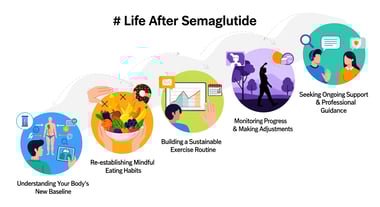
Habit formation tied it all together. Drawing from behavioral science, I focused on small, sustainable changes—things like meal prepping with whole foods and tracking non-scale victories, such as improved energy. The GLP-1 helped curb the overwhelming hunger that had derailed me before, giving me space to build these habits. According to habit formation research from the Cleveland Clinic, it takes about 66 days on average to solidify a new routine, and pairing it with pharmacological support amplified my success.
In 2026, with advancements like personalized GLP-1 dosing via AI apps, management feels more tailored. But here's the honest truth: I questioned if this was lifelong. The drug isn't without side effects—mild nausea at first, and the cost is a barrier for many. Yet, it provided the bridge I needed to rebuild my relationship with food and my body. This phase wasn't glamorous; there were plateaus and setbacks, like when travel disrupted my routine. But it marked the end of endless failures and the dawn of empowered choices.
The Success: Embracing a Transformed Life
Fast forward to now, in mid-2026, and the transformation is profound—not in dramatic before-and-after photos, but in the quiet freedoms I've reclaimed. I've shed 85 pounds over 18 months, but more importantly, my energy has surged, my joints no longer ache with every step, and my mental fog has lifted. Life feels vibrant again: hiking with my family without breathlessness, fitting into clothes that boost my confidence, and enjoying meals without the shadow of guilt.
The results extend beyond the physical. Emotionally, I've traded self-doubt for resilience. Prediabetes markers are gone, blood pressure is stable, and sleep is restorative. But success isn't about reaching an ideal weight; it's about sustainability. I've tapered my GLP-1 dose under medical supervision, testing if habits alone can maintain progress. So far, it's holding—thanks to the foundational changes in leptin sensitivity, cortisol control, and routines.
Is GLP-1 lifelong? For me, it might not be, but for others with severe metabolic issues, it could be a vital ongoing tool. In 2026, research increasingly views obesity as a chronic disease, much like hypertension, where medication supports long-term management without stigma. My life is transformed: social gatherings are joyful, not anxious; work productivity has soared; and I've even started coaching others at BeSlim.me, sharing the empathy I craved during my struggles.
Yet, this success came through effort—consistent tracking, therapy for emotional eating, and community support. There were no shortcuts, just persistent steps forward. The lessons? They're hard-earned and universal, reminding us that chronic obesity management is a marathon of self-compassion and science.
Key Lessons for Your Journey
- Embrace science-backed tools mindfully: Start with GLP-1 if appropriate, but pair it with habits like stress management to address root causes like leptin resistance—consult a doctor to personalize your approach.
- Prioritize consistency over perfection: Build small routines, such as daily walks or meal planning, knowing that habit formation takes time but yields lasting change. Focus on progress, not flawless execution.
- Cultivate self-compassion: Acknowledge the emotional weight of obesity; therapy or support groups can help manage cortisol and rebuild confidence, turning setbacks into stepping stones.
In sharing this, I hope you feel seen and inspired. Chronic obesity in 2026 isn't unbeatable—it's manageable with the right mix of empathy, effort, and evidence. If my story resonates, remember: your journey is valid, and every small victory counts. Let's keep moving forward, together.
References
- Leptin resistance can be mitigated through consistent calorie control and exercise - ncbi.nlm.nih.gov
- Stress reduction techniques lower cortisol and aid weight loss - mayoclinic.org
- Habit formation research from the Cleveland Clinic - health.clevelandclinic.org


Medical Disclaimer
The content on this website is for informational and educational purposes only. It is not intended as medical advice and should not be relied upon as a substitute for consultations with qualified healthcare professionals who are familiar with your individual medical needs. Always seek the advice of your physician or other qualified healthcare provider with any questions you may have regarding a medical condition. Never disregard professional medical advice or delay in seeking it because of something you have read on this website.