Hello, I'm Master Kim, your Behavioral Psychologist and Solution Consultant at BeSlim.me. If you've ever felt like you can't stop eating certain foods, even when you're not hungry, or if cravings seem to control your life, you're not alone. This struggle is incredibly common, and it's completely normal to feel frustrated or powerless. Many people describe it as an "addiction" to food, and today, we'll dive into whether that's a real phenomenon based on the latest 2026 scientific insights. Through this Q&A explainer, I'll address your burning questions with empathy, evidence-based explanations, and practical steps to help you regain control.
Q1: What Exactly Is 'Food Addiction,' and Is It a Real Thing?
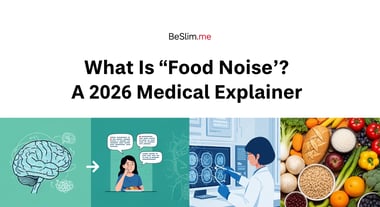
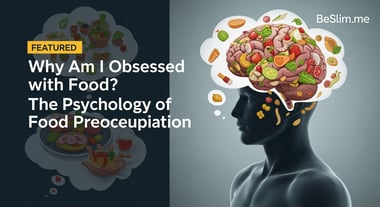
Food addiction isn't just a casual term—it's a concept that's been rigorously studied in behavioral psychology and neuroscience. In simple terms, it refers to a pattern where certain foods, especially those high in sugar, fat, or salt (like processed snacks), trigger compulsive eating behaviors similar to substance addictions. But is it "real"? According to 2026 research, yes, but with nuances. It's not officially classified as a disorder in the DSM-5 (the manual for mental health diagnoses), yet growing evidence shows that highly palatable foods can hijack the brain's reward system, leading to addictive-like behaviors.
The scientific basis lies in how these foods activate the same dopamine pathways in the brain as drugs like cocaine or alcohol. Dopamine is a neurotransmitter that reinforces pleasurable activities, creating a "reward loop" that makes you crave more. When you eat ultra-processed foods, your brain releases a surge of dopamine, but over time, tolerance builds—you need more to get the same high, much like addiction. This is compounded by habit loops, where cues (like stress or boredom) trigger automatic eating responses without conscious thought.
Hormonally, chronic stress plays a role too. Elevated cortisol (the stress hormone) can increase appetite for comfort foods, creating a vicious cycle. Willpower depletion adds another layer: decision fatigue throughout the day erodes your self-control, making it harder to resist. Importantly, this isn't about lacking discipline; it's a biological response. Research on brain reward systems in food addiction from the National Institutes of Health highlights how these mechanisms mirror substance use disorders, affecting up to 20% of the population.
In short, food addiction is real in the sense that it involves genuine neurochemical and behavioral changes, but it's more accurately described as "eating addiction" or "compulsive overeating" to emphasize the behavioral aspect over the food itself.
Q2: Why Do I Feel Addicted to Food? What's the Underlying Cause?
If you're wondering why food seems to have such a hold on you, let's break down the psychological, behavioral, and hormonal reasons. This isn't about blame—it's about understanding so you can address it effectively.
Psychological Basis: The Role of Emotional Triggers and Habit Loops
At its core, what we call food addiction often stems from emotional eating as a coping mechanism. Behavioral science shows that negative emotions like anxiety or loneliness activate the brain's limbic system, prompting you to seek quick relief through food. This creates habit loops, as described by psychologist Charles Duhigg: a cue (e.g., feeling stressed after work), a routine (grabbing chips), and a reward (temporary mood boost). Over time, these loops become automatic, bypassing rational decision-making.
Behavioral Factors: Willpower Depletion and Environmental Cues
Willpower isn't infinite—it's like a muscle that tires out. Ego depletion theory, supported by studies, explains why after a long day of decisions, you're more likely to give in to cravings. Environmental cues amplify this: ultra-processed foods are engineered to be hyper-palatable, with perfect blends of sugar, fat, and salt that override satiety signals. In 2026, with advanced neuroimaging, we see how these foods light up the brain's reward centers more intensely than natural foods.
Hormonal Influences: Stress, Cortisol, and Dopamine Imbalance
Hormonally, chronic stress elevates cortisol, which not only increases hunger but also directs it toward high-calorie foods for evolutionary survival reasons. This links to dopamine dysregulation: repeated exposure to addictive foods desensitizes receptors, leading to stronger cravings. Studies on cortisol's impact on emotional eating from the Mayo Clinic confirm that managing stress is key to breaking this cycle. Additionally, genetic factors can predispose some people to stronger reward responses, but environment and habits play a larger role for most.
By understanding these layers, you can see it's not a personal failing—it's a interplay of biology and behavior that anyone can experience.
Q3: How Can I Overcome Food Addiction? Actionable Strategies
The good news is that food addiction isn't permanent. Drawing from behavioral science, here are five practical, step-by-step strategies you can start today. Each focuses on sustainable changes, with examples to make them relatable. Remember, progress comes from small, consistent actions.
Strategy 1: Identify and Disrupt Habit Loops
Habit loops are the backbone of addictive behaviors, so breaking them starts with awareness.
- Track your triggers: For one week, note when cravings hit—what's the cue (e.g., time of day, emotion)?
- Replace the routine: Instead of eating, insert a 5-minute alternative like deep breathing or a walk.
- Reward yourself differently: After resisting, treat yourself to non-food rewards like listening to a podcast.
Example: If evening TV triggers snacking, keep veggies prepped and pair them with a fun show—over time, this rewires the loop.
Strategy 2: Manage Stress to Reduce Cortisol-Driven Cravings
Since stress fuels hormonal imbalances, proactive stress management is crucial.
- Practice daily mindfulness: Spend 10 minutes meditating using an app to lower cortisol levels.
- Incorporate movement: Aim for 20 minutes of gentle exercise, like yoga, which boosts endorphins and reduces stress eating according to the CDC.
- Build a support routine: Journal emotions before meals to process feelings without food.
Example: If work stress leads to late-night eating, end your day with a "wind-down ritual" like herbal tea and reading, preventing the cortisol spike.
Strategy 3: Rebuild Willpower Through Environmental Design
Don't rely on willpower alone—shape your surroundings to make healthy choices easier.
- Remove temptations: Clear your kitchen of trigger foods and stock up on whole foods.
- Use portion control tools: Pre-portion snacks into small containers to avoid overeating.
- Set micro-goals: Commit to one "no" per day, building confidence gradually.
Example: If office vending machines tempt you, pack a satisfying lunch with protein and fiber to sustain energy without crashes.
Strategy 4: Reframe Your Relationship with Food Using Cognitive Behavioral Techniques
Change starts in the mind—challenge addictive thoughts with evidence-based CBT methods.
- Question cravings: When a urge hits, ask, "Am I hungry or just bored?" Wait 10 minutes.
- Practice self-compassion: Replace self-criticism with kind affirmations like "I'm learning and improving."
- Track wins: Keep a journal of successful resistances to reinforce positive behaviors.
Example: If you crave sweets after dinner, reframe it as "This is a habit, not a need," and opt for fruit with nut butter for a healthier dopamine hit.
Strategy 5: Seek Professional Support for Personalized Insights
For deeper issues, external help accelerates change.
- Consult a specialist: Work with a behavioral therapist or nutritionist familiar with food addiction.
- Join a community: Participate in support groups like Overeaters Anonymous for shared experiences.
- Monitor progress: Use apps to track eating patterns and adjust based on data.
Example: If solo efforts falter, a therapist might help uncover emotional roots, like using food to cope with past trauma, leading to tailored strategies.
These steps are rooted in sustainable behavior change—start with one or two to avoid overwhelm.
Q4: Can Food Addiction Be Prevented in the Long Term?
Absolutely, prevention ties back to maintaining balance. By integrating the strategies above into your lifestyle, you build resilience. Focus on whole foods, regular sleep (7-9 hours to regulate hormones), and social connections to buffer stress. Long-term studies show that mindful eating practices reduce relapse rates by up to 50%. Remember, slips happen—treat them as learning opportunities, not failures.
As we wrap up, know that overcoming what feels like food addiction is entirely possible with patience and the right tools. You've already taken a powerful step by seeking information, and with consistent effort, you'll reclaim control over your habits and health. You're capable of this transformation—keep going, one mindful choice at a time. If you have more questions, BeSlim.me is here to support you.
References
- Research on brain reward systems in food addiction - ncbi.nlm.nih.gov
- Studies on cortisol's impact on emotional eating - mayoclinic.org
- Boosts endorphins and reduces stress eating - cdc.gov


Medical Disclaimer
The content on this website is for informational and educational purposes only. It is not intended as medical advice and should not be relied upon as a substitute for consultations with qualified healthcare professionals who are familiar with your individual medical needs. Always seek the advice of your physician or other qualified healthcare provider with any questions you may have regarding a medical condition. Never disregard professional medical advice or delay in seeking it because of something you have read on this website.