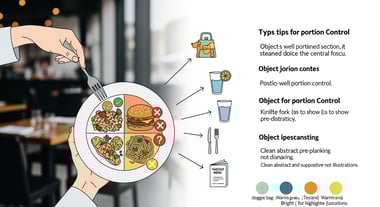
As Master Kim, the Strategic Roadmaps Architect for BeSlim.me, I specialize in dissecting diet strategies with a balanced, evidence-based lens. The hand guide for portion control is a simple, intuitive method that leverages your own hand as a measuring tool to estimate food portions without scales or cups. This approach, popularized by nutrition experts, aligns portions with your body's size—larger hands typically belong to those needing more calories, making it somewhat personalized. It's grounded in clinical evidence showing that visual portion control can aid weight management by promoting mindful eating and reducing overconsumption.
In this guide, we'll analyze the pros and cons, provide a step-by-step implementation roadmap, address risks and pitfalls, and end with actionable tips. Remember, while effective for many, this method isn't a one-size-fits-all solution. Risk Warning: Potential side effects include inadequate nutrient intake if portions are misapplied, especially for those with high energy needs like athletes or pregnant individuals. It's unsustainable long-term without customization and may not suit conditions like eating disorders or diabetes without medical supervision. Always consult a healthcare provider before starting, as it could lead to contraindications such as nutrient deficiencies if not balanced properly.
Pros & Cons of the Hand Guide for Portion Control
To kick off, here's a balanced analysis of this method's strengths and weaknesses, drawn from nutritional science.
| Aspect | Pros | Cons |
|---|---|---|
| Ease of Use | No tools required—your hand is always with you, making it portable and practical for everyday meals. | Relies on estimation, which can vary based on hand size inconsistencies or subjective interpretation. |
| Effectiveness | Supports weight loss by controlling calorie intake; studies show portion control reduces energy intake effectively. | May not account for individual metabolic differences, leading to under- or overeating for some body types. |
| Sustainability | Promotes mindful eating habits that can last long-term without strict rules. | Can feel restrictive over time, potentially leading to boredom or non-adherence if meals lack variety. |
| Nutritional Balance | Encourages a mix of macros (proteins, carbs, veggies, fats) for balanced plates. | Risks nutrient gaps if not paired with diverse foods, especially for vegetarians or those with dietary restrictions. |
| Cost and Accessibility | Free and accessible to all, no apps or gadgets needed. | Less precise than measured methods, which might frustrate data-driven individuals. |
This table highlights the method's strategic value: it's straightforward yet requires discipline to maximize benefits.
Understanding the Hand Guide Method
Before diving into implementation, let's break down the core of this strategy. The hand guide uses your hand as a visual reference for portion sizes, tailored roughly to your body size. This isn't arbitrary—it's supported by evidence indicating that visual cues can improve portion accuracy and adherence to healthy eating patterns.
- Palm for Protein: Your palm (excluding fingers) represents one serving of protein, like chicken, fish, or tofu (about 3-4 ounces for women, 6-8 for men).
- Fist for Vegetables: A clenched fist equals one serving of veggies or fruits (roughly 1 cup).
- Cupped Hand for Carbs: A cupped hand measures grains or starchy veggies (about ½ cup cooked).
- Thumb for Fats: Your thumb tip to first joint is for fats like oils or nuts (around 1 tablespoon).
This 4-step visual system—palm, fist, cupped hand, thumb—forms the foundation. According to research from the NIH on portion control strategies, such methods can help maintain energy balance by preventing overeating, especially in social settings.
Step-by-Step Implementation Guide
To make this method actionable, I've structured a 4-phase roadmap. Each phase builds progressively, starting with basics and advancing to integration into daily life. This is designed as a 4-week itinerary for medium-priority adoption—aim for consistency, tracking progress in a journal. Backed by evidence, portion control like this can lead to sustainable weight loss of 0.5-1 pound per week when combined with balanced choices.
Phase 1: Preparation and Familiarization (Week 1)
Focus on learning the visuals without overhauling your diet. The goal is to build awareness.
- Assess Your Hand Size: Measure your hand against common foods (e.g., weigh a palm-sized chicken breast once for reference). Note: Hand size correlates with body size, making portions semi-personalized.
- Practice Visualization: For each meal, mentally map portions—e.g., two fists of salad, one palm of salmon. Don't change eating yet; just observe.
- Log Baseline Meals: Track 3 days of current eating to identify over-portioned areas (e.g., carbs often exceed a cupped hand).
- Set Realistic Goals: Aim to apply the guide to one meal per day by week's end. Evidence from Cleveland Clinic studies on mindful eating shows this builds habits without overwhelm.
By week's end, you'll have a clearer picture of your habits, reducing the risk of abrupt changes that could lead to fatigue.
Phase 2: Basic Application (Week 2)
Now integrate the 4-step guide into meals. Prioritize balance to avoid nutrient shortfalls.
- Build Balanced Plates: For lunch/dinner, use: 2 palms protein (e.g., eggs or beans), 2 fists veggies (e.g., broccoli), 1 cupped hand carbs (e.g., rice), 1 thumb fats (e.g., avocado).
- Adjust for Meals: Breakfast might be 1 palm yogurt, 1 fist berries, ½ cupped hand oats, thumb nuts. Snacks: 1 fist fruit with thumb cheese.
- Monitor Hunger Cues: Eat slowly; if hungry after 20 minutes, add a fist of veggies. This prevents over-restriction, a common side effect.
- Weekly Check-In: Weigh yourself and note energy levels. Studies indicate consistent portion control can improve satiety and reduce calorie intake by 200-500 per day.
Risk Warning Reminder: If you experience dizziness or fatigue, this could signal under-eating—consult a doctor, as the method may not suit high-activity lifestyles without adjustments.
Phase 3: Customization and Optimization (Week 3)
Refine based on your needs, incorporating variety to sustain interest.
- Personalize Portions: If you're very active, increase to 2 cupped hands carbs per meal. For weight loss, stick to 1.
- Incorporate Variety: Rotate proteins (e.g., swap fish for lentils) and veggies to prevent boredom and ensure micronutrients.
- Handle Social Situations: At restaurants, estimate portions visually—request half portions if needed.
- Track Progress: Use an app or notebook for meals; aim for 80% adherence. Clinical data supports that visual aids like this enhance long-term compliance.
This phase emphasizes adaptability, addressing the unsustainability con by making it flexible.
Phase 4: Maintenance and Long-Term Integration (Week 4 and Beyond)
Shift to autopilot while monitoring for sustainability.
- Daily Routine Integration: Apply the guide to all meals automatically, treating it as a habit rather than a rule.
- Evaluate and Adjust: Monthly reviews: If weight stalls, tweak (e.g., reduce thumbs of fats). Include rest days with intuitive eating.
- Combine with Other Strategies: Pair with walking or hydration for amplified results—evidence links portion control with exercise for better outcomes.
- Sustain Motivation: Celebrate milestones, like fitting into old clothes, to combat potential drop-off.
This phased approach ensures gradual adoption, minimizing risks like yo-yo dieting.
Common Pitfalls and How to Avoid Them
Even with a solid plan, pitfalls can derail progress. Here's a strategic breakdown of frequent issues, with evidence-based avoidance tactics.
Pitfall 1: Inaccurate Estimation Leading to Under- or Overeating. Hands vary; misjudging can cause imbalances. Avoidance: Calibrate initially with a scale for 3-5 days, then transition to visual only. Research shows initial measurement improves accuracy over time.
Pitfall 2: Ignoring Nutritional Quality. Focusing solely on size neglects food quality, risking deficiencies. Avoidance: Prioritize whole foods—e.g., choose quinoa over white rice for carbs. The NIH notes that quality-focused portion control supports overall health.
Pitfall 3: Rigidity Causing Burnout. Treating it as strict rules can lead to frustration. Avoidance: Allow flexibility, like larger portions on active days. Studies indicate flexible approaches enhance adherence.
Pitfall 4: Not Accounting for Special Needs. Athletes or those with medical conditions may need more. Avoidance: Consult a dietitian for custom tweaks; contraindications include pregnancy or metabolic disorders where portions might be insufficient.
Addressing these proactively keeps the method balanced and effective.
3 Highly Actionable Tips for Immediate Start
To launch today, implement these confident, goal-oriented steps:
Map Your Next Meal: Right now, plan dinner using the 4 steps—palm protein, fist veggies, cupped hand carbs, thumb fats. Snap a photo for reference.
Set a Visual Reminder: Place a hand-drawn guide on your fridge or phone wallpaper to reinforce the portions during prep.
Track One Day: Log today's meals against the guide, noting adjustments needed. This builds immediate awareness without delay.
By following this guide, you'll harness a practical tool for portion control, backed by science for real results. Stay strategic and consistent.
References
- Studies show portion control reduces energy intake - pubmed.ncbi.nlm.nih.gov
- Research from the NIH on portion control strategies - niddk.nih.gov
- Cleveland Clinic studies on mindful eating - my.clevelandclinic.org


Medical Disclaimer
The content on this website is for informational and educational purposes only. It is not intended as medical advice and should not be relied upon as a substitute for consultations with qualified healthcare professionals who are familiar with your individual medical needs. Always seek the advice of your physician or other qualified healthcare provider with any questions you may have regarding a medical condition. Never disregard professional medical advice or delay in seeking it because of something you have read on this website.