Hello, I'm Master Kim, your Behavioral Psychologist and Solution Consultant at BeSlim.me. If you're reading this, chances are you've felt that overwhelming pull of cravings derailing your best intentions for healthier eating. You're not alone in this—it's a completely normal part of the human experience, especially when life gets stressful or routines slip. Cravings aren't a sign of weakness; they're signals from your body and mind that something needs attention. In this Q&A guide, we'll explore the HALT method—a simple yet powerful tool rooted in behavioral psychology—to help you investigate and manage those cravings. We'll break it down step by step, drawing on science to understand why they happen and how to respond effectively. Let's dive in and turn those moments of struggle into opportunities for growth.
Why Do Cravings Hit So Hard? Understanding the Psychological and Behavioral Roots
Q: What exactly is the HALT method, and why does it work for managing cravings?
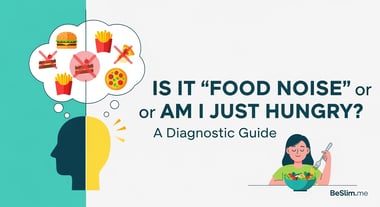
A: The HALT method is a straightforward acronym standing for Hungry, Angry, Lonely, Tired—a checklist to pause and assess your state before giving in to a craving. It's like hitting the brakes on autopilot eating, giving you a moment to identify if the urge stems from a basic unmet need rather than true hunger for food. This approach originated in addiction recovery programs but has been widely adapted for emotional eating and habit change because it addresses the core triggers that fuel impulsive behaviors.
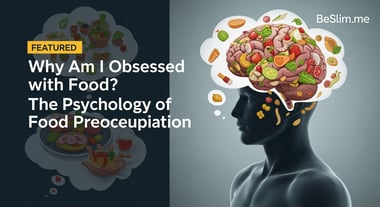
From a psychological perspective, cravings often aren't just about food; they're intertwined with our brain's reward system and stress responses. When you're genuinely hungry, your body releases ghrelin (the "hunger hormone"), signaling the brain to seek energy. But emotional states like anger, loneliness, or fatigue can mimic or amplify this signal, creating a false alarm. For instance, chronic stress elevates cortisol levels, which can increase appetite and drive cravings for high-sugar or high-fat foods as a quick "comfort" fix. This is part of the brain's habit loop: cue (stress or emotion), routine (eating), reward (temporary relief). According to behavioral science, willpower isn't infinite—it's like a muscle that depletes over time, especially when you're tired or emotionally drained, making it harder to resist.
Scientifically, this ties into the concept of ego depletion, where self-control resources get worn down by daily demands. Research on emotional eating from the National Institutes of Health shows that negative emotions like anger or loneliness activate the brain's limbic system, overriding rational decision-making in the prefrontal cortex. Hormonally, fatigue disrupts sleep hormones like melatonin and increases ghrelin while suppressing leptin (the satiety hormone), leading to stronger cravings. In essence, HALT works because it interrupts this cycle by encouraging mindfulness—pausing to check in with yourself prevents reactive eating and fosters sustainable habits. It's not about denying cravings but understanding them, which can reduce their intensity over time without overwhelming you with complex theories.
Q: How do these HALT factors specifically trigger cravings in everyday life?
A: Let's break it down accessibly. Hungry: True physical hunger builds gradually and is satisfied by nutritious food, but skipped meals can lead to blood sugar dips, intensifying urges for quick fixes like snacks. Angry: Anger spikes adrenaline and cortisol, creating a "fight or flight" state where the body craves carbs for energy, often manifesting as stress eating. Lonely: Social isolation activates similar brain pathways as physical pain, per studies on loneliness and brain response from the Mayo Clinic, prompting comfort-seeking through food to boost dopamine. Tired: Sleep deprivation impairs judgment and boosts ghrelin by up to 20%, as noted in sleep research, making late-night cravings feel irresistible.
The behavioral angle? These states form habit loops via classical conditioning—repeatedly turning to food for relief strengthens the association, making it automatic. But by using HALT, you're rewiring that loop with awareness, drawing on cognitive behavioral therapy (CBT) principles to challenge and change responses.
Actionable Strategies: Implementing the HALT Method Step by Step
Q: How can I start using the HALT method right away to curb cravings?
A: Great question—implementation is key to making this tool work for you. Below, I'll outline 4 practical, step-by-step strategies as subsections. Each one builds on the psychological foundation we discussed, focusing on sustainable changes rather than quick fixes. Remember, the goal is progress, not perfection; start small and track what works in a journal for personalization.
Strategy 1: Create a HALT Check-In Routine
To build awareness, integrate a quick pause into your daily life. This draws on mindfulness techniques to disrupt automatic habit loops.
- Set a trigger: Whenever a craving hits, stop and ask: "Am I Hungry, Angry, Lonely, or Tired?" Use a phone reminder or sticky note as a cue.
- Assess honestly: Rate each factor on a scale of 1-10. For example, if you're at a 7 for tiredness after a long day, acknowledge it without judgment.
- Respond accordingly: If hungry, eat a balanced snack like apple slices with nut butter. If angry, try deep breathing for 2 minutes.
- Track patterns: After a week, review your notes to spot trends, like cravings peaking in the evening due to loneliness.
Scenario: Imagine you're working late and crave ice cream. A HALT check reveals you're tired (from poor sleep) and lonely (missing family time). Instead of eating, you call a friend and go to bed early—craving averted, habit shifted.
Strategy 2: Address Hunger Proactively with Meal Planning
Prevent true hunger from masquerading as emotional cravings by stabilizing blood sugar, reducing ghrelin spikes.
- Plan balanced meals: Aim for three meals and two snacks daily, including protein, fiber, and healthy fats to maintain energy.
- Hydrate first: Drink a glass of water before eating, as thirst can mimic hunger—dehydration affects 75% of Americans, per health stats.
- Prep alternatives: Keep craving-busters ready, like veggie sticks or yogurt, for when HALT flags real hunger.
- Monitor and adjust: Use an app to log meals and note how fullness affects cravings over time.
Example: If loneliness hits during solo evenings, pair a planned healthy dinner with a virtual chat, turning a vulnerable moment into a nourishing one. This fosters long-term satiety and emotional resilience.
Strategy 3: Manage Anger and Loneliness Through Emotional Tools
Tackle these emotional triggers with CBT-inspired techniques to lower cortisol and rebuild social connections.
- Identify the emotion: When angry, journal the trigger (e.g., work stress) to process it rationally.
- Practice self-soothing: For anger, try progressive muscle relaxation—tense and release muscles for 5 minutes. For loneliness, schedule a walk with a friend or join an online community.
- Replace with non-food rewards: Reward yourself with a hobby, like reading, instead of snacks to rewire the dopamine response.
- Build support: Share your HALT experiences with a accountability partner for ongoing motivation.
Real-life application: Feeling angry after an argument? HALT reveals anger as the driver. Instead of raiding the fridge, you vent via a quick jog, diffusing the emotion and preventing a binge. Over time, this creates emotional habits that outlast temporary fixes.
Strategy 4: Combat Tiredness with Restorative Habits
Fatigue depletes willpower, so prioritize recovery to normalize hormones and reduce false cravings.
- Audit your sleep: Aim for 7-9 hours nightly; set a consistent bedtime routine, like dimming lights an hour before bed.
- Incorporate micro-breaks: During the day, take 5-minute pauses for stretching or meditation to recharge.
- Nourish for energy: Avoid caffeine crashes by opting for herbal tea, and include magnesium-rich foods (e.g., nuts) for better sleep.
- Evaluate weekly: If tiredness persists, consult a doctor, as it could link to underlying issues like sleep disorders explained by the Cleveland Clinic.
Scenario: Late-afternoon slump leads to cookie cravings. HALT points to tiredness. You nap for 20 minutes or do yoga, emerging refreshed and choosing fruit instead—sustaining energy without guilt.
These strategies emphasize behavioral science: small, consistent actions compound into habits, with research showing mindfulness-based interventions like HALT can reduce emotional eating by 30-50% over months.
Wrapping Up: You're Capable of Lasting Change
Remember, mastering the HALT method isn't about eliminating cravings overnight—it's about building a compassionate relationship with yourself. Every time you pause and check in, you're strengthening your resilience and proving that change is possible, one mindful step at a time. You've got this; keep investigating your patterns, and watch how these tools transform your journey toward a healthier, more balanced life. If cravings persist, reach out to BeSlim.me for personalized support—I'm here to help.
References
- Research on emotional eating from the National Institutes of Health - nimh.nih.gov
- Studies on loneliness and brain response from the Mayo Clinic - mayoclinic.org
- Sleep disorders explained by the Cleveland Clinic - my.clevelandclinic.org

Medical Disclaimer
The content on this website is for informational and educational purposes only. It is not intended as medical advice and should not be relied upon as a substitute for consultations with qualified healthcare professionals who are familiar with your individual medical needs. Always seek the advice of your physician or other qualified healthcare provider with any questions you may have regarding a medical condition. Never disregard professional medical advice or delay in seeking it because of something you have read on this website.