As Master Kim, the Strategic Roadmaps Architect for BeSlim.me, I specialize in dissecting diet strategies with a balanced, evidence-based lens. Transitioning off the ketogenic (keto) diet—characterized by high-fat, low-carb intake to induce ketosis—requires a strategic approach to avoid metabolic disruptions. This guide analyzes the pros and cons of this transition method, provides a phased roadmap backed by clinical evidence, and equips you with tools to reintroduce carbs sustainably. Remember, while keto can promote weight loss through fat metabolism, abruptly stopping it may lead to side effects like digestive issues or energy fluctuations. Always consult a healthcare professional before making changes, especially if you have conditions like diabetes or gastrointestinal disorders.
Pros and Cons of Transitioning Off Keto
Transitioning off keto involves gradually increasing carbohydrate intake while reducing fats, aiming to shift from ketosis to a balanced macronutrient profile. This method is supported by evidence showing it can help maintain metabolic health during dietary shifts. Below is a structured comparison of its advantages and drawbacks, drawn from clinical insights.
| Aspect | Pros | Cons |
|---|---|---|
| Weight Management | Allows sustainable weight maintenance by incorporating nutrient-dense carbs, potentially preventing rebound weight gain from sudden carb influx. | Risk of temporary weight gain due to water retention as glycogen stores replenish, which can be demotivating if not anticipated. |
| Energy Levels | Gradual carb reintroduction can stabilize energy by restoring glycogen, improving athletic performance over time. | Initial fatigue or "carb flu" symptoms as the body adapts from fat-burning to carb utilization, potentially lasting 1-2 weeks. |
| Nutritional Balance | Enhances dietary variety with fruits, grains, and veggies, addressing potential nutrient deficiencies in long-term keto (e.g., fiber, vitamins). | Over-reliance on processed carbs during transition could lead to blood sugar spikes, exacerbating insulin sensitivity issues. |
| Sustainability | Promotes long-term adherence to a flexible diet, reducing the restrictiveness of keto for better mental health and social eating. | Requires discipline; without planning, it may lead to unsustainable habits or yo-yo dieting, increasing frustration. |
| Health Impacts | May improve gut health with fiber-rich carbs, supported by studies on microbiome diversity. | Potential for gastrointestinal upset (e.g., bloating, diarrhea) as the gut adjusts to higher carb loads, especially if fiber intake surges. |
This table is informed by general dietary transition research, emphasizing a gradual approach to minimize risks.
Understanding the Transition: Why and When to Do It
The keto diet induces ketosis, where your body burns fat for fuel due to carb restriction (typically under 50g daily). However, it's not always sustainable long-term—common reasons for transitioning include plateaus in weight loss, nutrient limitations, or lifestyle preferences. Evidence suggests that a structured exit from keto can preserve benefits like improved insulin sensitivity while mitigating drawbacks.
According to clinical data, gradual carb reintroduction helps maintain metabolic flexibility, allowing the body to efficiently switch between fuel sources. This is crucial for avoiding the unsustainability of prolonged ketosis, which may lead to side effects like nutrient deficiencies or hormonal imbalances in some individuals. Contraindications include unmanaged diabetes, where carb increases could destabilize blood sugar, or eating disorders, where dietary shifts might trigger unhealthy patterns. Always prioritize personalization; if you've been on keto for over six months, a slower transition is advisable to prevent rapid metabolic shifts.
Step-by-Step Implementation Guide
This roadmap outlines a 4-week phased approach to reintroducing carbs, based on evidence from nutritional science. The goal is to increase carbs incrementally (starting from keto's low baseline) while monitoring your body's response. Aim for a total daily carb intake of 150-200g by the end, adjusting based on activity level and goals. Backed by studies, this method promotes metabolic adaptation without overwhelming the system.
Track your intake using an app like MyFitnessPal, and focus on whole-food carbs (e.g., oats, sweet potatoes) over refined ones to sustain energy and gut health.
Week 1: Stabilization Phase (Carbs: 50-75g Daily)
Focus on stabilizing your current keto state while introducing minimal carbs to test tolerance. This phase prevents shock to your digestive system.
- Assess Baseline: Log your current keto macros (e.g., 70% fat, 25% protein, 5% carbs) and calculate a 25g carb increase. Prioritize low-glycemic options like berries or leafy greens.
- Meal Adjustments: Replace one high-fat snack with a carb-inclusive one, such as adding ½ cup of quinoa to a salad. Keep fats high to ease the shift.
- Monitoring: Track symptoms like energy dips or bloating. Hydrate well (aim for 3 liters daily) as carbs restore glycogen, pulling in water.
- Exercise Tip: Stick to low-intensity activities like walking to avoid fatigue.
Evidence shows that slow carb increases during dietary transitions reduce gastrointestinal distress, supporting this gentle start.
Week 2: Moderate Integration Phase (Carbs: 75-100g Daily)
Build on Week 1 by incorporating more complex carbs, emphasizing fiber to support digestion.
- Carb Selection: Introduce whole grains like brown rice or legumes (e.g., lentils). Aim for 1-2 servings per meal, totaling a 25g increase.
- Macro Balancing: Reduce fats slightly (to 60%) and maintain protein (25%) to create room for carbs without calorie spikes.
- Symptom Management: If bloating occurs, incorporate probiotics (e.g., yogurt) to aid gut adaptation.
- Lifestyle Integration: Plan meals around social events, like swapping keto desserts for fruit-based ones.
This phase aligns with research indicating that fiber-rich carbs improve microbiome health post-keto, enhancing overall sustainability.
Week 3: Acceleration Phase (Carbs: 100-150g Daily)
Accelerate carb intake while diversifying sources, focusing on sustained energy.
- Diversify Sources: Add starchy veggies (e.g., potatoes) and fruits (e.g., bananas). Target balanced plates: 40% carbs, 30% fats, 30% protein.
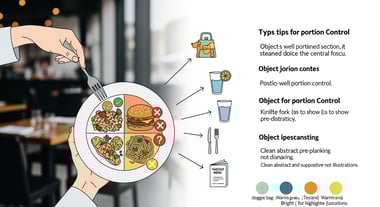
- Portion Control: Use measuring tools to avoid overeating; for example, limit to 1 cup of cooked pasta per serving.
- Energy Boost: Incorporate moderate exercise, like cycling, as carbs replenish muscle glycogen.
- Weekly Check-In: Weigh yourself and note mood/energy; adjust if weight fluctuates unexpectedly.
Week 4: Maintenance Phase (Carbs: 150-200g Daily)
Stabilize at a balanced intake, ensuring long-term viability.
- Full Integration: Experiment with varied meals, like whole-grain sandwiches or veggie stir-fries.
- Fine-Tuning: Monitor blood sugar if applicable; aim for steady levels through balanced eating.
- Sustainability Focus: Establish habits like meal prepping to prevent reverting to old patterns.
- Long-Term Goal Setting: Set metrics, such as maintaining weight within 5% of your post-keto level.
Throughout, warn of potential side effects: fatigue, headaches, or constipation from fiber changes. Contraindications include kidney issues, where high-protein remnants from keto could strain organs—consult a doctor.
Common Pitfalls and How to Avoid Them
Transitioning off keto isn't without hurdles. Here's a breakdown of frequent issues, with evidence-based strategies to sidestep them.
- Pitfall: Rapid Carb Overload: Jumping to high-carb foods can cause blood sugar crashes or digestive woes. Avoidance: Stick to the phased plan; evidence from dietary studies shows gradual increases minimize insulin spikes.
- Pitfall: Ignoring Hydration and Electrolytes: Carbs retain water, potentially leading to imbalances like headaches. Avoidance: Increase water and electrolyte intake (e.g., potassium-rich foods); this counters dehydration risks noted in low-carb transition research.
- Pitfall: Emotional Eating or Rebound: Frustration from weight fluctuations may trigger overeating. Avoidance: Journal your progress and focus on non-scale victories, like improved energy, to build resilience.
- Pitfall: Nutrient Gaps: Overlooking vitamins lost in keto (e.g., B vitamins from grains). Avoidance: Supplement if needed and prioritize whole foods; clinical guidelines emphasize balanced reintroduction for micronutrient recovery.
- Pitfall: Lack of Monitoring: Not tracking leads to unsustainable habits. Avoidance: Use apps for macro logging and weekly reviews to stay accountable.
By addressing these, you enhance the method's effectiveness while reducing unsustainability risks.
3 Highly Actionable Tips for Immediate Start
To kick off your transition today, implement these evidence-backed steps:
- Inventory Your Pantry: Clear out ultra-processed keto snacks and stock up on 5-10 whole-carb options like oats and apples. This sets a foundation for Week 1, promoting mindful choices.
- Log a Baseline Day: Track one full day of your current keto intake, then plan a single 25g carb addition for tomorrow. This builds momentum with minimal overwhelm.
- Schedule a Check-Up: Book a doctor's appointment to discuss your plan, ensuring it's safe for your health profile. This proactive step aligns with guidelines for personalized dietary changes.
This guide empowers you to transition off keto strategically, fostering a balanced, goal-oriented lifestyle. With consistent application, you'll reclaim dietary flexibility without sacrificing progress.
References
- Gradual carb reintroduction helps maintain metabolic flexibility - pubmed.ncbi.nlm.nih.gov
- Slow carb increases during dietary transitions reduce gastrointestinal distress - mayoclinic.org
- Fiber-rich carbs improve microbiome health post-keto - pmc.ncbi.nlm.nih.gov


Medical Disclaimer
The content on this website is for informational and educational purposes only. It is not intended as medical advice and should not be relied upon as a substitute for consultations with qualified healthcare professionals who are familiar with your individual medical needs. Always seek the advice of your physician or other qualified healthcare provider with any questions you may have regarding a medical condition. Never disregard professional medical advice or delay in seeking it because of something you have read on this website.