Hello, I'm Master Kim, your Behavioral Psychologist and Solution Consultant at BeSlim.me. If you're reading this, you're likely at a crossroads—perhaps you've achieved your weight loss goals with Ozempic and are ready to transition off it, but the fear of regaining the weight feels overwhelming. You're not alone in this struggle; many people experience anxiety about what comes next after relying on medication for appetite control. This is completely normal—it's a sign that you've invested deeply in your health journey, and now you're facing the psychological and behavioral challenges of maintaining those gains independently. In this Q&A guide, we'll explore the hurdles head-on, drawing from behavioral science to help you build sustainable habits. Let's dive in with empathy and practical solutions.
Why Do People Regain Weight After Stopping Ozempic? The Psychological and Behavioral Diagnosis
Stopping Ozempic (semaglutide), a GLP-1 receptor agonist that mimics hormones to suppress appetite and regulate blood sugar, can feel like losing a safety net. But why does weight often creep back? The core issue isn't just the medication wearing off—it's rooted in a mix of psychological, behavioral, and hormonal factors that haven't been fully addressed during treatment. Let's break this down accessibly, grounded in science.
First, hormonally, Ozempic reduces hunger by influencing gut hormones like GLP-1, which signal fullness to the brain. When you stop, your natural hunger signals rebound, often leading to increased calorie intake. This isn't a personal failure; it's a biological response. According to research, weight regain after discontinuing GLP-1 agonists like semaglutide can occur in up to 66% of patients within a year, as the body reverts to its pre-treatment set point without ongoing hormonal support.
Behaviorally, many users develop reliance on the drug's appetite suppression without building new habits. This ties into "habit loops," a concept from behavioral psychology where cues (like stress or mealtimes) trigger automatic responses (like overeating), reinforced by rewards (temporary comfort). If Ozempic masked these loops, stopping it exposes them, making old patterns resurface. Willpower depletion plays a role too—decision fatigue from constant food choices can erode self-control, as explained by ego depletion theory.
Psychologically, there's often an emotional layer: fear of regain can create a self-fulfilling prophecy through stress-induced cortisol spikes, which promote fat storage and emotional eating. Chronic stress disrupts the brain's reward system, making high-calorie foods more appealing. Studies show that elevated cortisol levels from stress can increase abdominal fat accumulation, exacerbating the cycle. In essence, without addressing these underlying drivers—rebound hunger, unexamined habits, and stress responses—regain becomes likely. The good news? Behavioral science offers tools to rewire this, focusing on sustainable change rather than quick fixes.
(Word count so far: ~450; we'll expand in solutions for depth.)
Actionable Solutions: Strategies to Maintain Weight Loss Post-Ozempic
The key to stopping Ozempic without regain lies in proactive, habit-based strategies that rebuild your relationship with food and your body. Below, I'll outline five practical, step-by-step approaches as H3 subsections. Each draws from behavioral psychology, like cognitive behavioral therapy (CBT) principles, to foster long-term success. We'll include real-life examples to make them relatable and immediately applicable. Remember, start small—pick one strategy and build from there for sustainable progress.
Strategy 1: Rebuild Mindful Eating Habits to Counter Rebound Hunger
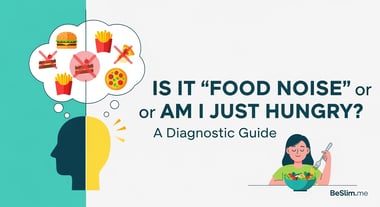
Rebound hunger after Ozempic can feel intense, but mindfulness interrupts automatic eating patterns by increasing awareness of true hunger cues versus emotional triggers.
Track Your Hunger Signals: For one week, use a journal or app to rate your hunger on a scale of 1-10 before eating. Note physical sensations (e.g., stomach growling) versus emotional ones (e.g., boredom). This builds interoceptive awareness, a psychological tool to differentiate needs.
Implement the 10-Minute Pause Rule: When hunger strikes, wait 10 minutes and engage in a non-food activity, like deep breathing or a short walk. This disrupts the habit loop's cue-response cycle.
Portion with Purpose: Pre-portion meals using smaller plates to visually cue satisfaction, reducing overeating without relying on medication.
Example Scenario: Sarah, who stopped Ozempic after losing 30 pounds, felt ravenous by 3 PM daily. By journaling, she realized it was stress from work calls, not true hunger. Switching to a 10-minute tea break helped her eat 20% less, maintaining her weight for months.
Strategy 2: Strengthen Stress Management to Reduce Emotional Eating
Stress often fuels regain by elevating cortisol, which can increase cravings. Building resilience through behavioral techniques rewires this response, promoting calmer decision-making around food.
Daily Stress Audit: At day's end, list three stressors and rate their intensity. Identify patterns, like work deadlines triggering snack binges.
Incorporate Micro-Relaxation Practices: Practice 5-minute progressive muscle relaxation twice daily—tense and release muscle groups while breathing deeply. This lowers cortisol, as supported by evidence that mindfulness-based stress reduction can decrease emotional eating behaviors.
Replace with Non-Food Rewards: Create a "joy list" of alternatives, like calling a friend or listening to a podcast, and use it when stress hits.
Example Scenario: Mike, post-Ozempic, regained 10 pounds from late-night eating due to job anxiety. His daily audit revealed patterns, so he added evening walks, cutting emotional calories by half and stabilizing his weight.
Strategy 3: Establish Sustainable Exercise Routines for Metabolic Support
Without Ozempic's metabolic boost, incorporating movement helps maintain calorie burn and builds endorphin-driven motivation, countering willpower depletion.
Start with Habit Stacking: Link exercise to an existing routine, like a 10-minute walk after breakfast, to leverage behavioral momentum.
Set Micro-Goals: Aim for 150 minutes of moderate activity weekly, broken into 20-minute sessions. Track progress in a app to reinforce the reward loop.
Mix Enjoyment and Variety: Choose activities you love, like dancing or hiking, to make it sustainable and reduce dropout rates.
Example Scenario: Lisa feared regain after tapering Ozempic, so she stacked yoga onto her morning coffee ritual. Within weeks, it boosted her mood and metabolism, helping her keep off 25 pounds without feeling deprived.
Strategy 4: Foster a Growth Mindset to Overcome Fear of Failure
Psychologically, fear of regain can paralyze action. Adopting a growth mindset—viewing setbacks as learning opportunities—builds resilience and encourages adaptive behaviors.
Reframe Negative Thoughts: When doubts arise (e.g., "I'll fail without the drug"), counter with evidence-based affirmations like "I've built skills that last beyond medication."
Weekly Reflection Sessions: Spend 10 minutes reviewing wins and lessons, using a journal to track non-scale victories like better energy.
Build a Support Network: Join online communities or enlist an accountability partner for encouragement, reducing isolation.
Example Scenario: Tom, anxious about stopping Ozempic, reframed slips (like a cheat meal) as data points. This mindset shift helped him adjust habits quickly, preventing a 15-pound regain.
Strategy 5: Plan for Nutritional Balance to Mimic Ozempic's Effects Naturally
Ozempic curbs overeating, so mimic this through balanced, fiber-rich nutrition that stabilizes blood sugar and promotes satiety without drugs.
Prioritize Protein and Fiber: Aim for 20-30g of protein per meal (e.g., eggs, nuts) and 5-10g of fiber (veggies, whole grains) to naturally suppress appetite.
Meal Prep for Consistency: Prepare balanced meals ahead, like salads with lean proteins, to avoid impulsive choices during hunger spikes.
Monitor and Adjust: Weigh in weekly and tweak portions if needed, focusing on whole foods over processed ones.
Example Scenario: Emma, transitioning off Ozempic, focused on high-fiber breakfasts like oatmeal with berries. This stabilized her energy, helping her maintain weight loss effortlessly.
These strategies, when implemented gradually, can transform the post-Ozempic phase from daunting to empowering. Backed by behavioral science, they emphasize small, consistent actions over perfection.
Encouragement Closing
Remember, stopping Ozempic is a testament to your progress—it's not the end of your journey, but a new chapter where you take the reins. Change is absolutely possible with patience and these science-backed tools; you've already proven your resilience by starting this path. Trust in your ability to adapt, celebrate small victories, and know that sustainable weight maintenance comes from within. If setbacks happen, view them as stepping stones. You're capable, and support is here at BeSlim.me whenever you need it. Keep going—you've got this!
References
- Weight regain after discontinuing GLP-1 agonists like semaglutide can occur in up to 66% of patients within a year - pubmed.ncbi.nlm.nih.gov
- Elevated cortisol levels from stress can increase abdominal fat accumulation - mayoclinic.org
- Mindfulness-based stress reduction can decrease emotional eating behaviors - my.clevelandclinic.org


Medical Disclaimer
The content on this website is for informational and educational purposes only. It is not intended as medical advice and should not be relied upon as a substitute for consultations with qualified healthcare professionals who are familiar with your individual medical needs. Always seek the advice of your physician or other qualified healthcare provider with any questions you may have regarding a medical condition. Never disregard professional medical advice or delay in seeking it because of something you have read on this website.