As Master Kim, the Strategic Roadmaps Architect for BeSlim.me, I specialize in dissecting diet strategies with a balanced, evidence-based lens. A plant-based diet emphasizes whole foods derived from plants—such as fruits, vegetables, grains, nuts, seeds, and legumes—while minimizing or eliminating animal products. This approach has gained traction for weight loss due to its focus on nutrient-dense, low-calorie foods that promote satiety and metabolic health. However, success hinges on strategic implementation to avoid nutrient gaps and ensure sustainability.
In this guide, I'll outline the pros and cons, provide a detailed 7-step roadmap, address risks, and offer actionable tips. Backed by clinical evidence, this plan is designed for gradual adoption, aiming for 1-2 pounds of weight loss per week through calorie control and improved eating habits. Remember, consult a healthcare provider before starting, especially if you have pre-existing conditions like diabetes or nutrient deficiencies.
Pros and Cons of a Plant-Based Diet for Weight Loss
| Aspect | Pros | Cons |
|---|---|---|
| Weight Loss Potential | High in fiber and low in calories, leading to natural calorie reduction and improved satiety. Plant-based diets can lead to greater weight loss compared to omnivorous diets. | Initial weight loss may plateau if portions aren't monitored, as some plant foods (e.g., nuts) are calorie-dense. |
| Health Benefits | Reduces risk of chronic diseases like heart disease and diabetes through anti-inflammatory compounds. | Risk of nutrient deficiencies (e.g., B12, iron) if not planned properly, potentially leading to fatigue or anemia. |
| Sustainability | Environmentally friendly and often cost-effective with affordable staples like beans and veggies. | Can be socially challenging in non-vegan settings; long-term adherence requires lifestyle changes. |
| Ease of Adoption | Flexible—allows gradual shifts without strict rules. | Learning curve for meal prep and sourcing balanced proteins. |
| Side Effects | Generally mild, with improved digestion from fiber. | Possible digestive issues like bloating during transition; unsustainable if it feels restrictive. |
This table highlights a balanced view: while effective for weight loss, a plant-based diet demands attention to nutritional completeness to mitigate risks.
Understanding the Science Behind Plant-Based Diets for Weight Loss
Plant-based diets work for weight loss by prioritizing high-volume, low-energy-density foods that fill you up without excess calories. The mechanism involves increased fiber intake, which slows digestion and stabilizes blood sugar, reducing hunger spikes. Clinically, this approach has shown promise in randomized trials.
For instance, a well-structured plant-based diet can enhance insulin sensitivity and promote fat loss. However, it's not a one-size-fits-all solution—potential side effects include gastrointestinal discomfort from sudden fiber increases, and contraindications exist for those with conditions like kidney disease, where high-potassium plant foods could be problematic. Unsustainability arises if the diet feels monotonous, leading to rebound weight gain.
To validate effectiveness, evidence from studies on vegan diets show significant BMI reductions over 6-12 months. Always pair this with physical activity for optimal results.
Step-by-Step Implementation Guide
This 7-step guide is structured as a phased roadmap, unfolding over 4-8 weeks for a smooth transition. Each step builds on the last, incorporating clinical insights for safety and efficacy. Aim for a daily calorie deficit of 500-1000 calories (e.g., 1500-2000 calories for most adults), tracked via apps like MyFitnessPal. Focus on whole foods to maximize benefits.
Step 1: Assess Your Current Diet and Set Goals (Week 1 Preparation)
Begin with self-evaluation to ensure a tailored start. Track your meals for 3-5 days using a journal or app, noting animal product reliance. Set realistic goals, like losing 5-10 pounds in the first month.
- Action Items:
- Calculate your baseline calorie needs using an online calculator.
- Identify easy swaps: Replace dairy milk with almond milk.
- Stock basics: Buy fruits, veggies, whole grains, and plant proteins like lentils.
Evidence: Baseline assessments improve adherence, as per research on dietary interventions for weight management.
Risk Warning: If you have eating disorders, this self-tracking could trigger issues—consult a professional.
Step 2: Build a Plant-Based Pantry (Week 1)
Transition by stocking nutrient-rich staples to avoid impulse eating. Focus on variety to prevent deficiencies.
- Action Items:
- Purchase: Quinoa, oats, beans, nuts, seeds, tofu, and leafy greens.
- Meal prep: Prepare simple salads or smoothies.
- Experiment: Try one new plant-based recipe daily.
This step fosters sustainability by making healthy choices accessible.
Step 3: Reduce Animal Products Gradually (Weeks 1-2)
Ease in by cutting back on meat, dairy, and eggs incrementally to minimize withdrawal symptoms like cravings.
- Action Items:
- Start with "Meatless Mondays" and expand to 3-4 days.
- Substitute: Use mushrooms for meat texture in stir-fries.
- Monitor intake: Ensure 20-30g of plant protein per meal (e.g., chickpeas).
Risk Warning: Rapid reduction may cause fatigue from low B12; supplement if needed, but test levels first.
Step 4: Focus on Balanced Meals (Weeks 2-3)
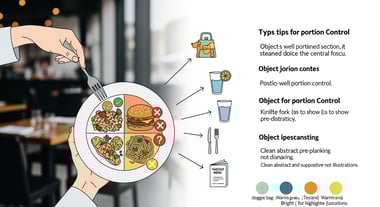
Construct meals with the "plate method": Half veggies, quarter grains, quarter proteins.
- Action Items:
- Breakfast: Oatmeal with berries and nuts.
- Lunch: Veggie stir-fry with brown rice and tempeh.
- Dinner: Lentil soup with salad.
- Snacks: Apple with almond butter.
This promotes satiety and steady energy.
Step 5: Incorporate Exercise and Hydration (Weeks 3-4)
Enhance weight loss by adding movement and water intake, as dehydration can mimic hunger.
- Action Items:
- Aim for 150 minutes of moderate exercise weekly (e.g., walking, yoga).
- Drink 8-10 glasses of water daily; infuse with lemon for flavor.
- Track progress: Weigh weekly and adjust calories.
Evidence: Combining diet with exercise amplifies results, supported by clinical data.
Step 6: Address Nutrient Needs (Weeks 4-6)
Proactively supplement to counter common gaps in plant-based eating.
- Action Items:
- Supplement B12, vitamin D, and omega-3s (e.g., algae-based).
- Include fortified foods: Plant milks with added calcium.
- Get bloodwork: Check iron and protein levels after 4 weeks.
Risk Warning: Without monitoring, deficiencies could lead to long-term issues like osteoporosis; this diet may be unsustainable for pregnant individuals without adjustments.
Step 7: Maintain and Adjust for Long-Term Success (Week 6+)
Refine based on results, incorporating flexibility to prevent burnout.
- Action Items:
- Review progress: Adjust for plateaus by varying recipes.
- Build community: Join plant-based groups for support.
- Celebrate: Non-food rewards for milestones.
This ensures the diet evolves into a lifestyle, with evidence showing sustained adherence yields better outcomes.
Common Pitfalls and How to Avoid Them
Transitioning to a plant-based diet isn't without hurdles. Here's a breakdown of frequent issues, backed by evidence, with strategic avoidance tactics.
Pitfall 1: Nutrient Deficiencies
Many overlook B12 and iron, leading to anemia or low energy.
- Avoidance: Get a baseline blood test and supplement as needed. Include iron-rich foods like spinach with vitamin C sources for absorption.
Pitfall 2: Overeating Calorie-Dense Plants
Nuts and avocados can sabotage calorie deficits if portions aren't controlled.
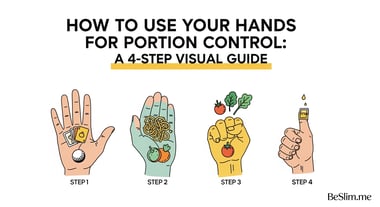
- Avoidance: Use measuring tools initially and focus on volume-eating with low-cal veggies.
Pitfall 3: Social and Emotional Challenges
Isolation at gatherings or cravings can derail motivation.
- Avoidance: Plan ahead with portable snacks and communicate your goals to friends. Allow occasional flexitarian days for balance.
Risk Warning: If not managed, these pitfalls could result in unsustainable yo-yo dieting, increasing metabolic risks.
3 Highly Actionable Tips for Immediate Start
To kick off your plant-based journey today, implement these evidence-based tips for quick wins.
Swap One Meal Today: Replace your usual lunch with a simple veggie-packed salad topped with beans and a tahini dressing. This builds momentum without overwhelm.
Stock Up on Essentials: Head to the store for five key items—kale, quinoa, black beans, berries, and nuts—to enable easy meal assembly.
Track and Hydrate: Download a free app to log your first day's intake and commit to drinking water before meals to curb appetite.
By following this guide, you'll harness the power of plant-based eating for effective, evidence-backed weight loss. Stay consistent, monitor your body, and adjust as needed for lasting results.
References
- Plant-based diets can lead to greater weight loss - ncbi.nlm.nih.gov
- Studies on vegan diets show significant BMI reductions - mayoclinic.org
- Research on dietary interventions for weight management - cdc.gov


Medical Disclaimer
The content on this website is for informational and educational purposes only. It is not intended as medical advice and should not be relied upon as a substitute for consultations with qualified healthcare professionals who are familiar with your individual medical needs. Always seek the advice of your physician or other qualified healthcare provider with any questions you may have regarding a medical condition. Never disregard professional medical advice or delay in seeking it because of something you have read on this website.