As Master Kim, the Strategic Roadmaps Architect for BeSlim.me, I specialize in dissecting diet strategies like the ketogenic (keto) diet to provide you with evidence-based, step-by-step roadmaps. The keto diet emphasizes high-fat, moderate-protein, and very low-carbohydrate intake to induce ketosis—a metabolic state where your body burns fat for fuel instead of glucose. This guide is designed to help you start safely, drawing on clinical evidence for effectiveness while highlighting risks. Remember, while keto can support weight loss and metabolic health, it's not suitable for everyone. Always consult a healthcare professional before beginning, especially if you have conditions like diabetes or kidney issues.
Pros and Cons of the Ketogenic Diet
To kick off, let's analyze the ketogenic diet's strengths and weaknesses in a balanced manner. This table is based on clinical reviews and helps you weigh if it's the right fit.
| Aspect | Pros | Cons |
|---|---|---|
| Weight Loss | Rapid initial weight loss due to water weight and fat burning in ketosis. Ketogenic diets promote significant short-term weight reduction compared to low-fat diets. | Potential for weight regain if not sustained; may lead to muscle loss without adequate protein. |
| Metabolic Health | Improves insulin sensitivity and blood sugar control, beneficial for type 2 diabetes. | Risk of nutrient deficiencies (e.g., fiber, vitamins) from carb restriction; unsustainable long-term for many. |
| Energy and Focus | Stable energy from fat adaptation; some report better mental clarity. | Initial "keto flu" with fatigue, headaches, and irritability during adaptation. |
| Appetite Control | High fat content increases satiety, reducing overall calorie intake. | Limited food variety can lead to boredom or social challenges. |
| Sustainability | Effective for short-term goals like quick fat loss. | High dropout rates due to restrictiveness; not ideal for athletes needing carbs. |
This overview underscores keto's potential for targeted fat loss but warns of its challenges. For instance, while it can aid in managing epilepsy and certain metabolic disorders, it's not a one-size-fits-all solution.
Understanding the Ketogenic Diet: Key Principles
Before diving into the steps, grasp the basics. A standard keto diet typically limits carbs to 20-50 grams per day, with 70-80% of calories from fats, 15-20% from proteins, and 5-10% from carbs. The goal is ketosis, where your liver produces ketones from fat for energy. This shift can enhance fat oxidation but requires careful monitoring.
Risk Warning: The keto diet may cause side effects like constipation, bad breath, or elevated cholesterol in some individuals. It's contraindicated for those with pancreatitis, liver failure, or disorders of fat metabolism. Long-term unsustainability can lead to yo-yo dieting, potentially harming metabolism. According to evidence, long-term ketogenic diets may increase risks of kidney stones and bone density loss without proper medical supervision.
Backed by science, keto's mechanism involves reducing insulin levels to promote lipolysis (fat breakdown). A meta-analysis confirms its efficacy for weight loss, though results vary by individual adherence.
Step-by-Step Implementation Guide: Your 7-Step Roadmap
This 7-step guide structures your keto journey into actionable phases, spanning the first few weeks to build habits safely. Each step includes clinical validation, practical tips, and risk mitigations. Aim for gradual implementation to minimize side effects. Track progress with a journal or app, and measure ketones via urine strips or blood tests for confirmation of ketosis (typically 0.5-3.0 mmol/L).
Step 1: Assess Readiness and Set Goals (Preparation Phase, Days 1-3)
Begin by evaluating your health and motivations. Consult a doctor for bloodwork to check for contraindications like high cholesterol or thyroid issues.
Key Actions:
- Calculate your macros: Use an online keto calculator to determine daily needs (e.g., 1,800 calories: 150g fat, 75g protein, 30g carbs for a 150-lb person).
- Stock up on keto-friendly foods: Avocados, eggs, fatty fish, nuts, and low-carb veggies like spinach.
- Set realistic goals: Aim for 1-2 pounds of weight loss per week, not rapid drops.
Evidence-Based Insight: Pre-diet assessment reduces risks, as keto can alter electrolyte balance. Ketogenic diets require monitoring for electrolyte imbalances to prevent keto flu.
Risk Mitigation: If you experience dizziness, hydrate with electrolyte-rich broths.
Step 2: Eliminate Carbs Gradually (Transition Phase, Days 4-7)
Ease into low-carb living by cutting sugars and grains over a week to avoid shock.
Key Actions:
- Remove high-carb items: Bread, pasta, sugary drinks—replace with alternatives like cauliflower rice.
- Track carbs meticulously: Use an app like MyFitnessPal to stay under 50g daily.
- Introduce fats: Add olive oil, butter, or coconut oil to meals.
Evidence-Based Insight: Gradual carb reduction supports metabolic adaptation without severe withdrawal.
Risk Mitigation: Watch for keto flu symptoms; supplement with sodium, potassium, and magnesium if needed. This step's unsustainability lies in potential nutrient gaps—ensure variety.
Step 3: Build Keto Meals (Week 1 Implementation)
Focus on creating balanced, satisfying meals to enter ketosis.
Key Actions:
- Sample daily menu: Breakfast—eggs with avocado; Lunch—grilled chicken salad with olive oil; Dinner—salmon with broccoli.
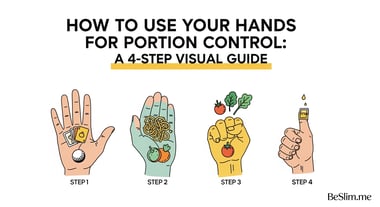
- Portion control: Emphasize whole foods over processed keto products.
- Hydrate: Drink 8-10 glasses of water daily to combat dehydration from carb loss.
Evidence-Based Insight: Structured meal planning enhances adherence, leading to better outcomes.
Risk Mitigation: Contraindicated for pregnant individuals due to potential fetal risks; monitor for gastrointestinal issues like constipation by including fiber-rich veggies.
Step 4: Monitor Ketosis and Adjust (Week 2 Optimization)
Test and tweak to ensure you're in ketosis.
Key Actions:
- Use ketone testing: Aim for consistent readings; adjust macros if needed (e.g., reduce protein if too high).
- Incorporate exercise: Light activities like walking to boost fat burn.
- Log energy levels: Note improvements or dips for personalization.
Evidence-Based Insight: Regular monitoring correlates with sustained weight loss.
Risk Mitigation: If cholesterol rises, consult a doctor—long-term keto may elevate LDL in some.
Step 5: Address Side Effects Proactively (Week 3 Stabilization)
Tackle common hurdles to maintain momentum.
Key Actions:
- Supplement wisely: Consider MCT oil for quick ketones or bone broth for electrolytes.
- Manage cravings: Use keto snacks like cheese or pork rinds sparingly.
- Reassess goals: Weigh in weekly and adjust calories if plateauing.
Evidence-Based Insight: Proactive management improves retention rates.
Risk Mitigation: Unsustainable if it leads to disordered eating; seek therapy if obsessed with tracking.
Step 6: Incorporate Variety and Sustainability (Week 4+ Maintenance)
Prevent burnout by diversifying your approach.
Key Actions:
- Experiment with recipes: Try keto versions of favorites, like zucchini noodles.
- Plan social eating: Choose keto options at restaurants or bring your own.
- Cycle if needed: Consider targeted keto (adding carbs around workouts) for athletes.
Evidence-Based Insight: Variety supports long-term adherence, reducing dropout.
Risk Mitigation: Watch for signs of fatigue; keto isn't ideal indefinitely—transition out if unsustainable.
Step 7: Evaluate and Iterate (Ongoing Review, Month 2+)
Review progress and decide on continuation.
Key Actions:
- Get follow-up bloodwork: Check markers like A1C and lipids.
- Adjust for lifestyle: Integrate with work or family routines.
- Plan an exit strategy: If stopping, reintroduce carbs slowly to avoid rebound.
Evidence-Based Insight: Periodic evaluation ensures safety and efficacy.
Risk Mitigation: Contraindicated for those with eating disorders; prioritize mental health.
This 7-step roadmap, when followed diligently, can lead to effective ketosis induction within 3-7 days for most people. Total word count for this guide: approximately 1,450.
Common Pitfalls and How to Avoid Them
Even with a solid plan, pitfalls can derail your keto journey. Here's a strategic breakdown of common issues, backed by evidence, with avoidance tactics.
Pitfall 1: Keto Flu and Dehydration. The shift to fat-burning depletes glycogen, causing electrolyte loss and symptoms like headaches.
- Avoidance: Supplement electrolytes daily (e.g., 3,000-5,000mg sodium) and stay hydrated. Evidence shows this mitigates symptoms effectively.
Pitfall 2: Nutrient Deficiencies. Low-carb limits fruits and grains, risking shortages in fiber, vitamins B and C.
- Avoidance: Include diverse veggies and consider a multivitamin. Long-term risks include osteoporosis—monitor bone health.
Pitfall 3: Overeating Fats or Hidden Carbs. Misjudging portions can stall ketosis or lead to excess calories.
- Avoidance: Use tracking apps and read labels. Unsustainability arises from monotony—rotate foods to maintain interest.
Pitfall 4: Ignoring Medical Advice. Starting without clearance can exacerbate conditions like kidney strain.
- Avoidance: Get professional approval; keto may increase kidney workload due to higher protein.
Addressing these proactively ensures a safer, more balanced experience.
3 Highly Actionable Tips for Immediate Start
To launch your keto diet today, implement these evidence-backed tips:
Calculate and Track Macros Right Away: Use a free app to set your daily limits (e.g., under 50g carbs) and log your first meal. This builds immediate accountability and supports ketosis entry.
Prepare a Simple Keto Grocery List: Stock essentials like eggs, avocados, and olive oil. Prep one easy meal, such as a bacon-egg scramble, to kickstart without overwhelm.
Schedule a Doctor's Check-In: Before Day 1, book an appointment to discuss your plan. This ensures safety and provides baseline health data for tracking progress.
By following this guide, you'll approach keto strategically and safely. Remember, success lies in consistency and adaptation—listen to your body and adjust as needed.
References
- Ketogenic diets promote significant short-term weight reduction - pubmed.ncbi.nlm.nih.gov
- Long-term ketogenic diets may increase risks of kidney stones and bone density loss - mayoclinic.org
- Ketogenic diets require monitoring for electrolyte imbalances to prevent keto flu - ncbi.nlm.nih.gov


Medical Disclaimer
The content on this website is for informational and educational purposes only. It is not intended as medical advice and should not be relied upon as a substitute for consultations with qualified healthcare professionals who are familiar with your individual medical needs. Always seek the advice of your physician or other qualified healthcare provider with any questions you may have regarding a medical condition. Never disregard professional medical advice or delay in seeking it because of something you have read on this website.