As Master Kim, the Strategic Roadmaps Architect for BeSlim.me, I specialize in crafting evidence-based roadmaps for sustainable diet strategies. The flexitarian diet— a flexible approach to vegetarianism that prioritizes plant-based foods while allowing occasional meat—offers a balanced path to improved health without rigid restrictions. This guide analyzes its pros and cons, provides a structured 4-week implementation plan, and equips you with tools to avoid common pitfalls. Backed by clinical evidence, this roadmap is designed for beginners seeking actionable steps toward weight management, better nutrition, and long-term wellness. Remember, while flexible, this diet may not suit everyone; consult a healthcare professional before starting, especially if you have conditions like anemia or digestive issues.
Pros and Cons of the Flexitarian Diet
To make an informed decision, let's evaluate the flexitarian diet's strengths and weaknesses based on clinical insights. This semi-vegetarian style emphasizes fruits, vegetables, whole grains, and plant proteins, with meat as an occasional addition rather than a staple.
| Aspect | Pros | Cons |
|---|---|---|
| Health Benefits | Supports weight loss and heart health by increasing fiber intake and reducing saturated fats. Flexitarian diets linked to lower body weight show promising results in studies. | Risk of nutrient deficiencies (e.g., iron, B12) if meat is minimized without proper substitutions. |
| Sustainability | Flexible and easier to maintain long-term compared to strict veganism, promoting gradual habit changes. | May lead to inconsistent eating patterns, potentially causing overeating of processed plant foods. |
| Environmental Impact | Reduces carbon footprint by lowering meat consumption, aligning with eco-friendly goals. | Requires planning to ensure balanced nutrition, which can be time-consuming for beginners. |
| Cost and Accessibility | Often more affordable due to cheaper plant-based staples like beans and veggies. | Initial grocery adjustments might increase costs if opting for specialty plant proteins. |
| Lifestyle Fit | Allows social flexibility, like enjoying meat at gatherings without guilt. | Could feel restrictive for heavy meat-eaters, leading to frustration or unsustainability. |
This table highlights the diet's balanced nature: it's not a quick fix but a strategic shift toward plant-forward eating. Evidence suggests it can improve metabolic health, but potential side effects include fatigue from low iron if not managed, and it's unsustainable for those with high protein needs (e.g., athletes) without adaptations.
Understanding the Flexitarian Diet
Before diving into the roadmap, let's clarify what a flexitarian diet entails. Coined by dietitian Dawn Jackson Blatner, it's a "flexible vegetarian" approach where 70-80% of meals are plant-based, with meat, fish, or dairy included sparingly—perhaps 2-3 times per week. The focus is on whole foods: vegetables, fruits, legumes, nuts, seeds, and grains. This isn't about elimination but moderation, making it ideal for beginners transitioning from a standard Western diet.
Clinically, flexitarian eating patterns have been associated with reduced risks of chronic diseases. For instance, plant-based diets like flexitarianism reduce heart disease risk by lowering cholesterol and inflammation. However, contraindications include risks for those with kidney issues, as high plant fiber can strain digestion, or individuals prone to eating disorders, where flexibility might enable unhealthy patterns. Always prioritize personalization.
Step-by-Step Implementation Guide: Your 4-Week Roadmap
This 4-week plan builds progressively, starting with small changes to foster sustainable habits. Each week includes daily meal structures, shopping tips, and tracking methods. Aim for 1,800-2,200 calories daily (adjust based on your needs), focusing on nutrient density. Track progress in a journal, noting energy levels, weight, and mood. If side effects like bloating occur, scale back fiber increases gradually.
Week 1: Foundation Building – Assess and Transition
Focus on awareness and minor swaps to ease into plant-based eating without overwhelm. Goal: Replace one meat-heavy meal per day with a plant alternative.
Day 1-3: Inventory and Planning
- Audit your pantry: Identify plant staples (e.g., oats, lentils) and discard ultra-processed items.
- Set a baseline: Log your current meals for 3 days to spot meat dependency.
- Sample Breakfast: Oatmeal with berries and nuts (plant-based protein boost).
- Sample Lunch: Veggie stir-fry with tofu instead of chicken.
- Sample Dinner: Grilled fish once, but prioritize salads with beans.
Day 4-7: Introduce Flexibility
- Aim for 50% plant-based meals: Swap beef burgers for veggie patties.
- Shopping List: Stock up on affordable items like canned beans, frozen veggies, and whole grains.
- Tracking Tip: Use an app to monitor macronutrients—ensure 20-30g protein per meal from plants.
By week's end, expect improved digestion from added fiber, but watch for initial bloating (a common side effect; hydrate well to mitigate).
Week 2: Habit Formation – Increase Plant Variety
Build on Week 1 by diversifying plant foods and reducing meat to 3-4 servings weekly. Goal: Experiment with new recipes to prevent boredom.
Day 1-3: Recipe Exploration
- Try meatless Mondays: Quinoa salad with chickpeas, avocado, and veggies.
- Breakfast: Smoothie with spinach, banana, almond milk, and chia seeds.
- Lunch: Lentil soup with whole-grain bread.
- Dinner: Occasional lean meat like turkey, paired with large veggie portions.
Day 4-7: Portion Control and Balance
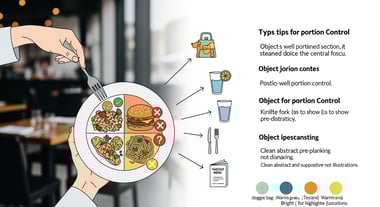
- Implement the "plate method": Fill half your plate with veggies, a quarter with grains, and a quarter with protein (plant or animal).
- Shopping List: Add variety—kale, quinoa, nuts, and eggs for flex days.
- Tracking Tip: Weigh portions to avoid overeating; aim for colorful plates for micronutrient diversity.
Evidence supports this phase: Flexitarian patterns aid in sustainable weight loss by promoting satiety through fiber. Potential contraindication: If you experience low energy, incorporate B12-rich foods or supplements, as deficiencies can arise in reduced-meat diets.
Week 3: Optimization – Refine and Sustain
Refine your routine by incorporating more whole foods and mindful eating. Goal: Limit meat to 2 servings per week, focusing on quality over quantity.
Day 1-3: Mindful Integration
- Breakfast: Yogurt (dairy flex) with fruits and seeds.
- Lunch: Bean-based burrito bowl without meat.
- Dinner: Veggie stir-fry with occasional shrimp for omega-3s.
- Incorporate snacks: Nuts or fruit to curb hunger.
Day 4-7: Meal Prep Mastery
- Prep batches: Cook large pots of veggie chili or grain salads for easy access.
- Shopping List: Focus on seasonal produce for cost savings—apples, broccoli, sweet potatoes.
- Tracking Tip: Review your journal; adjust if weight loss stalls (e.g., add healthy fats like olive oil).
This week emphasizes sustainability, but unsustainability risks include reverting to old habits if social pressures arise—plan ahead for outings.
Week 4: Mastery and Long-Term Integration
Solidify habits and plan for maintenance. Goal: Achieve 80% plant-based eating with intentional flex moments.
Day 1-3: Advanced Customization
- Breakfast: Avocado toast on whole-grain bread with eggs (flex option).
- Lunch: Mixed green salad with tempeh or nuts.
- Dinner: Plant-forward pasta with marinara and veggies; add meat sparingly.
Day 4-7: Reflection and Adjustment
- Evaluate progress: Measure weight, energy, and satisfaction.
- Shopping List: Experiment with global flavors—curry spices for lentil dishes.
- Tracking Tip: Set monthly goals, like trying one new plant protein weekly.
By the end, you should feel empowered, with potential benefits like steady weight loss (1-2 lbs/week) and better blood pressure. However, if contraindications like gastrointestinal discomfort persist, reassess with a doctor.
Common Pitfalls and How to Avoid Them
Transitioning to a flexitarian diet can be smooth, but pitfalls abound. Here's a strategic breakdown to navigate them:
Pitfall 1: Nutrient Gaps (e.g., Iron or Protein Deficiency)
Many beginners overlook balancing nutrients when cutting meat. Avoidance: Incorporate iron-rich plants like spinach and pair with vitamin C (e.g., citrus) for absorption. Supplement if needed, especially for women or vegetarians. Side effect warning: Untreated deficiencies can cause fatigue or anemia.Pitfall 2: Over-Reliance on Processed Foods
Flexitarians might swap meat for junk like chips or fake meats, leading to weight gain. Avoidance: Stick to whole foods—aim for 80% unprocessed. Read labels to avoid added sugars.Pitfall 3: Social and Emotional Challenges
Dining out or family meals can tempt deviations, causing guilt or unsustainability. Avoidance: Communicate your goals and choose flexible venues. Treat meat as a treat, not a default, to maintain motivation.
Addressing these proactively ensures the diet's long-term viability, minimizing risks like unsustainable yo-yo dieting.
3 Highly Actionable Tips for Immediate Start
To kick off your flexitarian journey today, implement these strategic tips:
Stock Your Kitchen Essentials: Buy five versatile plant items—beans, nuts, greens, grains, and fruits— and plan one meatless meal tonight. This builds momentum without overwhelm.
Track One Metric Daily: Log your plant-to-meat ratio in a simple app or notebook. Aim for gradual increases to foster habit formation.
Prepare a Flex Meal: Create a go-to recipe, like a veggie stir-fry with optional chicken, for busy days. This ensures flexibility while prioritizing plants.
By following this roadmap, you'll strategically harness the flexitarian diet's benefits for lasting health gains. Stay consistent, monitor your body's signals, and adjust as needed.
References
- Flexitarian patterns aid in sustainable weight loss - pmc.ncbi.nlm.nih.gov


Medical Disclaimer
The content on this website is for informational and educational purposes only. It is not intended as medical advice and should not be relied upon as a substitute for consultations with qualified healthcare professionals who are familiar with your individual medical needs. Always seek the advice of your physician or other qualified healthcare provider with any questions you may have regarding a medical condition. Never disregard professional medical advice or delay in seeking it because of something you have read on this website.