As Master Kim, the Strategic Roadmaps Architect for BeSlim.me, I'm here to deliver a balanced, evidence-based analysis of the Mediterranean diet plate method. This approach emphasizes whole foods, plant-based choices, and healthy fats, drawing from traditional eating patterns in Mediterranean regions. It's not just about what you eat but how you visually structure your plate for balanced nutrition. We'll break it down strategically: starting with pros and cons, moving into a phased implementation roadmap, addressing risks, and ending with immediate actionable steps. Backed by clinical evidence, this guide aims to help you reconfigure your meals for sustainable weight management and health benefits. Remember, while effective for many, this diet may not suit everyone—consult a healthcare professional before starting, especially if you have conditions like kidney issues or allergies to common Mediterranean staples.
Pros & Cons of the Mediterranean Diet Plate Method
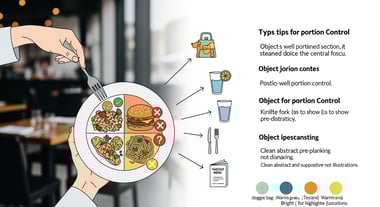
The Mediterranean diet plate method divides your plate into sections: half for vegetables and fruits, a quarter for whole grains, and a quarter for lean proteins, with healthy fats like olive oil drizzled throughout. This visual tool promotes portion control and nutrient density. Below is a balanced analysis of its advantages and drawbacks, grounded in clinical insights.
| Pros | Cons |
|---|---|
| Heart Health Benefits: Reduces cardiovascular risk by emphasizing anti-inflammatory foods like olive oil and nuts. Mediterranean diet linked to lower heart disease risk in long-term studies. | Higher Cost: Relies on fresh produce, fish, and olive oil, which can be expensive in non-Mediterranean regions. |
| Weight Management Support: Encourages high-fiber, low-calorie density foods, aiding satiety and gradual weight loss without strict calorie counting. | Potential Nutrient Gaps: If not varied, it may lack sufficient calcium or vitamin D, especially for those avoiding dairy. |
| Sustainability and Flexibility: Easy to adapt to various cuisines, making it a long-term lifestyle rather than a fad diet. | Time-Intensive Preparation: Requires cooking from scratch, which can be challenging for busy schedules. |
| Improved Metabolic Health: May enhance insulin sensitivity and reduce inflammation, beneficial for diabetes prevention. | Allergen Risks: Nuts, fish, and seafood are staples, posing issues for those with allergies. |
| Mental Health Perks: Associated with better cognitive function and mood due to omega-3s and antioxidants. | Not Ideal for All: May not provide enough protein for athletes or those with high energy needs. |
This table highlights the method's strengths in promoting overall wellness while acknowledging practical hurdles. Evidence shows it's effective for many, but individual results vary based on adherence and lifestyle.
Understanding the Mediterranean Diet Plate: Core Principles
Before diving into implementation, let's clarify the method. The Mediterranean diet plate is a simple visual model: imagine a dinner plate divided into four quadrants. Fill half with non-starchy vegetables and fruits for fiber and vitamins. Dedicate one quarter to whole grains like quinoa or brown rice for sustained energy. The remaining quarter goes to lean proteins such as fish, poultry, legumes, or eggs. Add healthy fats (e.g., olive oil, avocados) and herbs for flavor, with dairy like yogurt in moderation. This isn't about restriction but reconfiguration for balance.
Clinically, this approach is validated for its role in reducing chronic disease risk. For instance, adopting a Mediterranean-style eating pattern can lower inflammation markers, supporting longevity and vitality. However, potential side effects include initial digestive discomfort from increased fiber, and it's contraindicated for those with severe nut allergies or conditions requiring low-fat diets, like certain gallbladder issues. Unsustainability can arise if the diet feels culturally mismatched, leading to burnout—aim for gradual integration to mitigate this.
Step-by-Step Implementation Guide: A 5-Phase Roadmap
To make this actionable, I've structured a 5-phase roadmap as a visual guide to reconfiguring your plate. Each phase builds on the last, spanning about 5 weeks for habit formation. Focus on one step per week, using mental visualization or actual plate dividers to "see" the reconfiguration. This phased approach is based on behavioral science, allowing time for adaptation while minimizing overwhelm. Track progress in a journal, noting energy levels and satiety.
Phase 1: Assess and Plan (Week 1)
Start by evaluating your current plate and stocking up on essentials. This foundational phase sets the stage for success.
- Inventory Your Kitchen: List what you have and identify gaps. Aim for at least 5 types of vegetables (e.g., tomatoes, spinach, broccoli), 3 fruits (e.g., berries, apples), whole grains (e.g., oats, barley), proteins (e.g., beans, fish), and fats (e.g., olive oil, nuts).
- Visualize the Plate: Draw or imagine your ideal plate: 50% veggies/fruits, 25% grains, 25% protein. Practice with one meal daily.
- Set Goals: Choose 3 meals per week to fully reconfigure. Track portions using a plate as your guide—no scales needed.
- Evidence Check: This planning reduces impulse eating, with studies showing structured meal prep aids adherence.
By week's end, you'll have a shopping list and a clear mental image, easing the transition.
Phase 2: Focus on Vegetables and Fruits (Week 2)
Half your plate should burst with color from produce. This phase boosts nutrient intake and fiber.
- Select Varieties: Prioritize seasonal options like leafy greens, bell peppers, and citrus. Aim for 4-5 servings daily.
- Preparation Tips: Steam, roast, or salad-ify them. Example plate: Half filled with mixed greens salad topped with tomatoes and cucumbers.
- Integration: Pair with existing meals—add veggies to sandwiches or fruits to breakfast.
- Monitor Effects: Note digestion; if bloating occurs, introduce slowly.
This step leverages the diet's antioxidant power, potentially lowering chronic disease risk.
Phase 3: Incorporate Whole Grains (Week 3)
Shift to the 25% grain section for complex carbs that sustain energy without spikes.
- Choose Wisely: Opt for quinoa, farro, or whole-wheat pasta over refined options.
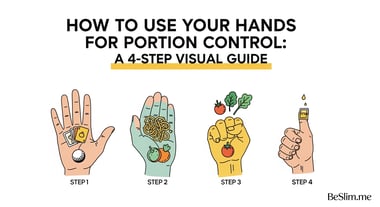
- Portion Control: Use the plate visual—keep it to a quarter to avoid overeating.
- Recipe Ideas: Try grain bowls with veggies and protein, like quinoa with chickpeas.
- Sustainability Note: Whole grains may cause initial gas; pair with digestive aids like fennel.
Evidence supports this for better glycemic control, enhancing the diet's metabolic benefits.
Phase 4: Add Lean Proteins and Healthy Fats (Week 4)
Fill the final quarter with proteins, and drizzle fats throughout for flavor and heart health.
- Protein Picks: Include fatty fish (e.g., salmon twice weekly), legumes, eggs, or poultry.
- Fat Integration: Use olive oil for cooking, avocados in salads, and a handful of nuts as snacks.
- Balance Meals: Example: Grilled chicken (quarter plate), brown rice (quarter), and veggie medley (half).
- Adjust for Needs: Vegetarians can emphasize beans; ensure variety to avoid monotony.
This phase rounds out nutrition, with Mediterranean diet's emphasis on omega-3s from fish improving cardiovascular outcomes.
Phase 5: Refine and Maintain (Week 5+)
Solidify habits and troubleshoot for long-term success.
- Full Plate Practice: Apply the model to all meals, including snacks (e.g., yogurt with fruit and nuts).
- Customization: Adapt for preferences, like swapping fish for tofu.
- Review Progress: Weigh in weekly and adjust—aim for 1-2 pounds loss if that's your goal.
- Lifestyle Merge: Incorporate Mediterranean elements like communal eating for enjoyment.
This ongoing phase ensures sustainability, backed by evidence of reduced obesity rates in adherents.
Risk Management: Potential Side Effects and Contraindications
While the Mediterranean diet plate is generally safe and sustainable, it's not without risks. Potential side effects include gastrointestinal upset from high fiber (e.g., bloating or diarrhea) during initial phases—mitigate by increasing intake gradually and staying hydrated. Contraindications exist for individuals with kidney disease, as the diet's emphasis on plant foods can be high in potassium. It's also unsustainable for those in food deserts lacking access to fresh ingredients, potentially leading to frustration or relapse. Always consult a doctor, especially if pregnant, elderly, or managing chronic conditions. Long-term, over-reliance on olive oil could contribute to calorie excess if not portioned, so monitor intake.
Common Pitfalls and How to Avoid Them
Even with a strong plan, pitfalls can derail progress. Here's a strategic breakdown:
- Pitfall 1: Overlooking Variety: Sticking to the same foods leads to boredom and nutrient deficiencies. Avoidance: Rotate ingredients weekly—try new veggies or grains to keep it fresh.
- Pitfall 2: Ignoring Portion Sizes: The plate method is visual, but distractions can lead to overloading. Avoidance: Use smaller plates and eat mindfully, focusing on the 50/25/25 split.
- Pitfall 3: Neglecting Hydration and Activity: The diet shines with lifestyle integration, but isolation can stall results. Avoidance: Pair with 8 glasses of water daily and 150 minutes of weekly exercise, like walking.
- Pitfall 4: Cost Overruns: Expenses add up without planning. Avoidance: Buy in bulk, choose frozen produce, and plan meals to minimize waste.
- Pitfall 5: Expecting Quick Fixes: This is a lifestyle, not a crash diet. Avoidance: Set realistic goals, celebrating non-scale victories like improved energy.
Addressing these proactively enhances adherence and outcomes.
Actionable Takeaways: 3 Tips to Start Today
To kick off your reconfiguration immediately, here are three highly actionable tips:
- Reconfigure One Meal Now: For your next meal, divide your plate visually—fill half with salad greens and tomatoes, a quarter with cooked quinoa, and a quarter with grilled fish. Drizzle with olive oil for instant Mediterranean flair.
- Stock Essentials: Head to the store and grab olive oil, a mix of veggies, whole grains, and canned beans. This ensures you're ready for Phase 1 without delay.
- Track Visually: Snap a photo of your reconfigured plate daily and note how it makes you feel. This builds accountability and reinforces the habit.
Implementing these will propel you toward sustainable health gains. With consistent effort, the Mediterranean diet plate can transform your eating patterns effectively.
References
- Mediterranean diet linked to lower heart disease risk - ncbi.nlm.nih.gov
- Adopting a Mediterranean-style eating pattern can lower inflammation markers - mayoclinic.org


Medical Disclaimer
The content on this website is for informational and educational purposes only. It is not intended as medical advice and should not be relied upon as a substitute for consultations with qualified healthcare professionals who are familiar with your individual medical needs. Always seek the advice of your physician or other qualified healthcare provider with any questions you may have regarding a medical condition. Never disregard professional medical advice or delay in seeking it because of something you have read on this website.