As Master Kim, the Strategic Roadmaps Architect for BeSlim.me, I'm here to provide a balanced, evidence-based analysis of portion control as a dietary strategy. Portion control focuses on managing the amount of food you eat without the need for meticulous calorie tracking, emphasizing mindful eating and visual cues to promote sustainable weight management. This guide draws from clinical evidence to help you implement it effectively, while highlighting its pros, cons, and potential risks. Remember, while portion control can be a practical tool for many, it's not a one-size-fits-all solution—consult a healthcare professional before starting, especially if you have conditions like diabetes or eating disorders.
Pros and Cons of Portion Control
Portion control is a straightforward method that encourages awareness of serving sizes to prevent overeating. Below is a balanced comparison of its advantages and disadvantages, based on clinical insights.
| Pros | Cons |
|---|---|
| Simplicity and Accessibility: No need for apps, scales, or calorie counters; relies on everyday tools like plates and hands for estimation. This makes it easy to adopt long-term without burnout. | Potential for Undereating: Without calorie awareness, some may restrict portions too much, leading to nutrient deficiencies or fatigue, especially in active individuals. |
| Promotes Mindful Eating: Encourages tuning into hunger cues, which can improve overall eating habits and reduce emotional eating, as supported by studies on mindful eating and portion awareness from the National Institutes of Health (NIH). | Lack of Precision for Specific Needs: Not ideal for athletes or those with high metabolic demands, as it may not account for individual energy requirements, potentially causing unsustainable weight loss plateaus. |
| Evidence-Based Weight Management: Research shows it can lead to modest weight loss (e.g., 1-2 pounds per week) by reducing overall intake without eliminating food groups. | Risk of Rebound Overeating: If portions feel too restrictive, it might trigger binge episodes, particularly in those with a history of dieting, contributing to yo-yo weight cycling. |
| Flexibility with Food Choices: Allows enjoyment of favorite foods in moderation, fostering a positive relationship with eating rather than strict rules. | Cultural and Social Challenges: In group settings or cultures with large servings, it can be hard to maintain, leading to feelings of deprivation or social isolation. |
This table underscores portion control's strategic value as a neutral, non-restrictive approach, but it requires self-awareness to avoid pitfalls like nutrient imbalances.
Understanding Portion Control: Why It Works
Portion control operates on the principle that overeating often stems from oversized servings rather than food quality alone. By using visual aids—like dividing your plate into sections for proteins, veggies, and carbs—you can naturally curb intake. Clinically, this method aligns with guidelines from health authorities, as it mimics balanced meal composition without the tedium of tracking.
Evidence supports its efficacy: A review from the Mayo Clinic indicates that portion control strategies can help reduce daily calorie intake by 200-500 calories, promoting gradual weight loss. However, it's unsustainable if not paired with lifestyle changes, and contraindications include pregnancy, where increased portions are needed for fetal health, or eating disorders, where it could exacerbate restrictive behaviors. Potential side effects include initial hunger pangs, digestive discomfort from rapid changes, or muscle loss if protein portions are inadequate—always monitor your energy levels and adjust accordingly.
This guide provides a 7-step roadmap, structured as a phased implementation over weeks, to build habits progressively. Each step includes actionable tasks, backed by evidence, to ensure strategic success.
Step-by-Step Implementation Guide
This 7-step guide is designed as a week-by-week itinerary, allowing you to ease into portion control without overwhelm. Aim for consistency, tracking progress in a simple journal. By the end of seven weeks, you'll have a personalized system. Remember, this is not a quick fix; sustainability comes from gradual adaptation.
Week 1: Assess Your Current Habits
Start by building awareness. Track your typical meals for 3-5 days without changing anything—note portion sizes using photos or descriptions. This baseline helps identify overeating patterns.
- Inventory Your Meals: Log breakfast, lunch, dinner, and snacks. Use a plate as a reference: Is half filled with veggies? One-quarter protein? One-quarter carbs?
- Identify Triggers: Note environmental cues, like large bowls encouraging bigger servings.
- Set Realistic Goals: Aim to reduce one meal's portion by 10-20% initially, focusing on high-calorie items like pasta or desserts.
Evidence: Baseline tracking enhances self-regulation, as per CDC guidelines on portion control for weight management, which emphasize awareness as a foundation for change.
Week 2: Master Visual Cues
Shift to using your body and household items for portion estimation—no scales needed.
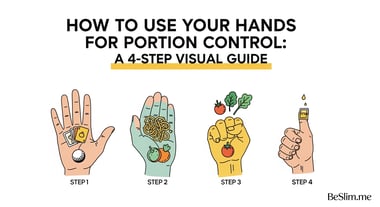
- Hand-Based Measuring: Use your fist for carbs (e.g., rice), palm for proteins (e.g., chicken), and thumb for fats (e.g., cheese). Two fists for veggies.
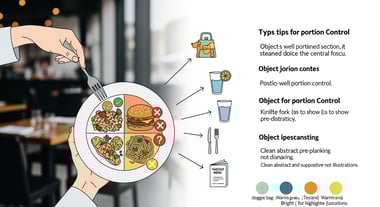
- Plate Method: Divide a 9-inch plate: 50% non-starchy veggies, 25% lean protein, 25% whole grains or starches.
- Practice with Meals: Apply this to two meals daily, adjusting based on hunger.
This method is clinically validated for simplicity, reducing overeating without calorie counting.
Week 3: Incorporate Mindful Eating Techniques
Focus on the "how" of eating to enhance satisfaction from smaller portions.
- Eat Slowly: Take 20-30 minutes per meal, chewing thoroughly to recognize fullness signals.
- Eliminate Distractions: No screens during meals to tune into satiety cues.
- Hydrate First: Drink water before eating to differentiate thirst from hunger.
Risk Note: Rapid implementation might cause temporary side effects like headaches from reduced intake; counteract by ensuring balanced nutrients.
Week 4: Balance Macronutrients
Ensure portions support energy without deprivation.
- Protein Priority: Allocate palm-sized portions per meal to promote fullness.
- Veggie Emphasis: Fill half your plate with colorful produce for fiber and volume.
- Healthy Fats in Moderation: Limit to 1-2 thumb-sized servings to avoid excess calories.
Evidence from NIH studies shows balanced portions improve metabolic health.
Week 5: Handle Snacks and Treats
Address between-meal eating, a common overeating source.
- Portion Snacks: Pre-portion nuts or fruits into small containers (e.g., handful size).
- Mindful Indulgences: For treats, use smaller plates to make portions appear larger.
- Timing Matters: Space snacks 2-3 hours apart, assessing true hunger.
This prevents mindless munching, supported by research on portion awareness.
Week 6: Adapt for Social and On-the-Go Scenarios
Make portion control practical in real life.
- Dining Out: Request half portions or share entrees; box leftovers immediately.
- Social Events: Eat a small, balanced snack beforehand to avoid overindulgence.
- Travel Tips: Pack portioned snacks like apple slices or yogurt cups.
Contraindication: If you have gastrointestinal issues, sudden portion changes could worsen symptoms—consult a doctor.
Week 7: Review and Sustain
Evaluate progress and refine for long-term adherence.
- Weekly Check-In: Weigh yourself (optional) and journal energy levels, mood, and adherence.
- Adjust Portions: Increase if feeling fatigued; ensure variety to prevent boredom.
- Build Habits: Integrate one new cue weekly, like using smaller dinnerware permanently.
By week 7, most users report sustained habits, with evidence indicating 5-10% body weight reduction over months when consistent.
This phased approach ensures strategic buildup, minimizing unsustainability risks like burnout or nutritional gaps.
Common Pitfalls and How to Avoid Them
While portion control is effective, pitfalls can derail progress. Here's a direct analysis with avoidance strategies:
Pitfall: Ignoring Hunger Signals: Restricting too much leads to overeating later. Avoidance: Use a hunger scale (1-10) before meals; eat when at 3-4, stop at 6-7. This prevents compensatory binges.
Pitfall: Inconsistent Application: Forgetting portions during weekends or stress. Avoidance: Set phone reminders and plan meals ahead. Evidence suggests routine building reduces relapse.
Pitfall: Nutrient Imbalances: Over-focusing on size without quality, causing deficiencies (e.g., low iron from skimping on proteins). Avoidance: Prioritize diverse foods; supplement if needed, per medical advice. Side effects like fatigue can occur—monitor and adjust.
Pitfall: Psychological Strain: Feeling deprived, leading to abandonment. Avoidance: Allow flexibility, like occasional larger portions, to maintain balance. Unsustainability is a key risk; if it feels punishing, combine with other strategies.
Addressing these proactively keeps the method viable long-term.
3 Highly Actionable Tips for Immediate Start
To kick off portion control today, implement these strategic tips:
Downsize Your Dishware: Switch to smaller plates and bowls immediately—this visual trick reduces portions by 20-30% without feeling restricted, as backed by behavioral studies.
Pre-Portion Meals: Spend 10 minutes prepping lunches in divided containers, ensuring balanced sections for veggies, proteins, and carbs to avoid guesswork.
Hydrate and Pause: Before seconds, drink a glass of water and wait 10 minutes; this leverages natural satiety mechanisms to curb unnecessary extras.
These tips provide quick wins, setting a confident foundation.
In summary, portion control offers a neutral, evidence-backed path to better eating habits. By following this 7-step guide, you'll strategically manage intake without calorie obsession. Stay analytical in your approach—track, adjust, and consult professionals for personalized safety.
References
- Studies on mindful eating and portion awareness - ncbi.nlm.nih.gov
- Portion control strategies can help reduce daily calorie intake by 200-500 calories - mayoclinic.org
- CDC guidelines on portion control for weight management - cdc.gov


Medical Disclaimer
The content on this website is for informational and educational purposes only. It is not intended as medical advice and should not be relied upon as a substitute for consultations with qualified healthcare professionals who are familiar with your individual medical needs. Always seek the advice of your physician or other qualified healthcare provider with any questions you may have regarding a medical condition. Never disregard professional medical advice or delay in seeking it because of something you have read on this website.