Hello, fitness warriors! I'm Master Kim, your Certified Personal Trainer (CPT) and Biomechanics Specialist at BeSlim.me. If you're battling that stubborn belly fat—especially the dangerous visceral fat lurking around your organs—you're in the right place. Visceral fat isn't just about aesthetics; it's linked to serious health risks like heart disease, diabetes, and metabolic issues. But here's the good news: science shows that the #1 most effective exercise for targeting and reducing visceral fat is High-Intensity Interval Training (HIIT). Why HIIT? It combines short bursts of intense effort with recovery periods, torching calories, boosting metabolism, and specifically melting away visceral fat more efficiently than steady-state cardio alone.
In this 2026 review, we'll dive into the science, provide a safe 30-minute HIIT-based routine tailored for beginners (with modifications for joint concerns), and guide you on progression. Remember, consistency is key—pair this with a balanced diet for optimal results. Let's get moving safely and effectively!
What Is Visceral Fat and Why Does It Matter?
Before we jump into the exercises, let's clarify what we're up against. Visceral fat is the deep abdominal fat that wraps around your internal organs, unlike subcutaneous fat (the pinchable kind under your skin). It's metabolically active, releasing hormones and inflammatory substances that can disrupt insulin sensitivity and increase risks for conditions like type 2 diabetes and cardiovascular disease.
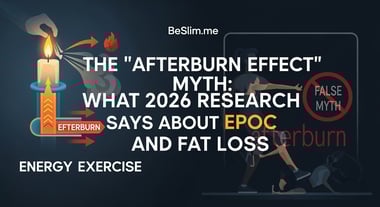
Reducing visceral fat requires a calorie deficit through diet and exercise, but not all exercises are equal. Steady-state activities like walking are great, but HIIT stands out as the powerhouse. It elevates your heart rate quickly, improves insulin sensitivity, and continues burning fat post-workout through excess post-exercise oxygen consumption (EPOC). This "afterburn" effect can last up to 24 hours, making HIIT a time-efficient choice for busy folks.
If you're new to this or have joint issues, don't worry—I'll emphasize low-impact variations. Always consult a doctor before starting, especially if you have pre-existing conditions.
The Science Behind HIIT as the Best Exercise to Lose Visceral Fat and Boost Metabolism
Let's geek out on the physiology—because understanding the "why" keeps you motivated! HIIT involves alternating high-effort intervals (like sprinting in place) with low-intensity recovery (like walking). This pattern creates metabolic stress that directly targets visceral fat stores.
First, HIIT enhances fat oxidation. During intense bursts, your body taps into glycogen stores, but in recovery, it shifts to burning fat for energy. Over time, this improves mitochondrial function in your cells, increasing your basal metabolic rate (BMR)—the calories you burn at rest. A higher BMR means more efficient fat loss, even on off days.
Scientifically, HIIT outperforms moderate continuous training for visceral fat reduction. For instance, a study on HIIT's impact on abdominal fat found that participants lost significant visceral fat after 12 weeks of HIIT, with improvements in insulin resistance. This is because HIIT stimulates the release of catecholamines (like adrenaline), which mobilize fat from deep abdominal areas.
Moreover, HIIT boosts human growth hormone (HGH) and testosterone levels, aiding muscle preservation while shedding fat. Muscle tissue is metabolically active, so maintaining it via HIIT prevents the BMR drop often seen in calorie-restricted diets. Research from Mayo Clinic on exercise for visceral fat reduction highlights that interval training can reduce visceral fat by up to 17% in just a few months, even without major dietary changes.
On the metabolic front, HIIT improves glucose uptake in muscles, reducing blood sugar spikes and enhancing overall energy metabolism. According to NIH research on interval training and metabolic health, this leads to better fat distribution, shifting storage away from the viscera toward safer subcutaneous areas.
In short, HIIT isn't just effective—it's efficient. A 30-minute session can yield results comparable to an hour of jogging, making it ideal for beginners building habits. But safety is paramount; improper form can lead to injury, so let's cover that next.
Safety First: Essential Warnings and Form Instructions
Safety Warning for Beginners: As Master Kim, I prioritize your well-being above all. HIIT is powerful, but if you're new to exercise, overweight, or have joint concerns (e.g., knee or back issues), start slow. Consult a physician before beginning. Stop immediately if you feel dizziness, chest pain, or unusual fatigue. Use low-impact modifications, like marching instead of jumping. Always warm up for 5 minutes (light walking) and cool down with stretches. Hydrate well, and never push through pain—listen to your body!
Mandatory Form Checks: For every exercise, focus on these basics:
- Engage your core: Tighten your abdominal muscles like you're bracing for a punch to protect your spine.
- Maintain neutral spine: Keep your back straight, avoiding arching or rounding.
- Breathe properly: Exhale during effort, inhale during recovery.
- Joint alignment: Knees should track over toes; avoid locking joints.
- Progress mindfully: If something feels off, drop to a easier variation or reduce intensity.
Remember, form trumps speed. Master these cues to prevent injury and maximize fat-burning benefits.
Your 30-Minute HIIT Workout Routine for Visceral Fat Loss
This beginner-friendly routine is designed for home or gym settings—no fancy equipment needed (though a mat helps). It totals about 30 minutes: 5-minute warm-up, 20 minutes of HIIT circuits, and 5-minute cool-down. Perform it 3-4 times per week, with rest days in between. Each circuit includes 30 seconds of high intensity followed by 30 seconds of rest/active recovery (e.g., walking in place). Complete 3 rounds of the circuit.
Focus on controlled movements to engage your core and boost that metabolic fire. Here's the lineup of 5 exercises—I've kept them simple yet effective for visceral fat targeting through full-body calorie burn.
1. Marching in Place (Warm-Up Booster)
- Sets x Reps/Time: 3 sets of 30 seconds high march / 30 seconds slow walk
- Key Form Cue/Technical Focus: Lift knees high without leaning back; swing arms for momentum.
- Difficulty Level: Beginner
2. Bodyweight Squats
- Sets x Reps/Time: 3 sets of 10-12 reps (or 30 seconds)
- Key Form Cue/Technical Focus: Lower as if sitting into a chair, keeping knees behind toes and chest up.
- Difficulty Level: Beginner (modify by not going too low if joints are sensitive)
3. Mountain Climbers (Low-Impact Variation)
- Sets x Reps/Time: 3 sets of 30 seconds alternating legs
- Key Form Cue/Technical Focus: From plank position, drive knees toward chest slowly; keep hips level to avoid back strain.
- Difficulty Level: Intermediate (beginner mod: do it standing or against a wall)
4. Jumping Jacks (Modified)
- Sets x Reps/Time: 3 sets of 30 seconds
- Key Form Cue/Technical Focus: Step side to side instead of jumping if joints hurt; clap hands overhead with soft landings.
- Difficulty Level: Beginner
5. Plank Hold
- Sets x Reps/Time: 3 sets of 20-30 seconds hold
- Key Form Cue/Technical Focus: Forearms on ground, body in a straight line; squeeze glutes and core to prevent sagging.
- Difficulty Level: Beginner (knee plank for easier version)
6. High Knees (Seated Variation for Joints)
- Sets x Reps/Time: 3 sets of 30 seconds
- Key Form Cue/Technical Focus: Sit or stand, alternate lifting knees quickly; pump arms to increase heart rate without impact.
- Difficulty Level: Beginner
7. Burpees (Modified, No Jump)
- Sets x Reps/Time: 3 sets of 6-8 reps (or 30 seconds)
- Key Form Cue/Technical Focus: Step back into plank instead of jumping; stand up slowly to protect knees.
- Difficulty Level: Intermediate (beginner mod: skip the push-up)
After the circuit, cool down with deep breathing and gentle stretches like child's pose or cat-cow. This routine burns 200-300 calories per session, primarily from fat stores, while building endurance.
Progression Plan: Building Momentum Over 4-8 Weeks
To avoid plateaus and ensure safe advancement, follow this 4-8 week plan. Start at your comfort level and increase gradually—aim for 5-10% more intensity each week.
- Weeks 1-2 (Foundation): Stick to beginner modifications. Focus on form; do 2 rounds per session. Track how you feel—energy up, no pain?
- Weeks 3-4 (Build Intensity): Increase to 3 full rounds. Extend high-intensity intervals to 40 seconds if ready, or add 2-3 reps per exercise.
- Weeks 5-6 (Add Challenge): Incorporate intermediate levels, like full mountain climbers. Aim for 4 sessions per week; monitor visceral fat progress via waist measurements.
- Weeks 7-8 (Optimize): Go for advanced tweaks, such as adding light weights to squats. Reassess: If you've lost 1-2 inches around your waist, celebrate! Adjust based on feedback.
Progression prevents injury while maximizing metabolic adaptations. Combine with nutrition—think protein-rich meals to support muscle repair.
Why This Works: Long-Term Benefits and Tips
Beyond visceral fat loss, this HIIT approach enhances cardiovascular health, reduces inflammation, and improves mood via endorphin release. Studies show consistent HIIT can lower visceral fat by 10-20% in 8 weeks, especially when combined with resistance elements like planks.
Actionable takeaways:
- Track Progress: Measure your waist weekly and note energy levels.
- Nutrition Pairing: Eat whole foods; aim for a 500-calorie daily deficit.
- Rest and Recovery: Sleep 7-9 hours; include yoga on off days.
- Motivation Hack: Set mini-goals, like completing a full routine without modifications.
Stay committed, and you'll see results. If you have questions, drop them at BeSlim.me—let's crush that visceral fat together!
References
- A study on HIIT's impact on abdominal fat - pubmed.ncbi.nlm.nih.gov
- Mayo Clinic on exercise for visceral fat reduction - mayoclinic.org
- NIH research on interval training and metabolic health - niddk.nih.gov


Medical Disclaimer
The content on this website is for informational and educational purposes only. It is not intended as medical advice and should not be relied upon as a substitute for consultations with qualified healthcare professionals who are familiar with your individual medical needs. Always seek the advice of your physician or other qualified healthcare provider with any questions you may have regarding a medical condition. Never disregard professional medical advice or delay in seeking it because of something you have read on this website.