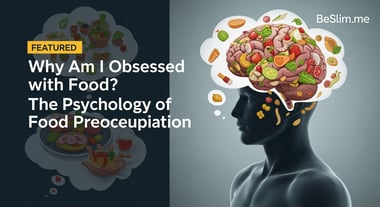
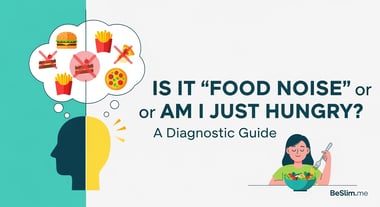
Hello, I'm Master Kim, your Behavioral Psychologist and Solution Consultant at BeSlim.me. Emotional eating—reaching for that pint of ice cream or bag of chips when stress, boredom, or sadness hits—is a common challenge many face on their wellness journey. You're not alone in this struggle; it's a completely normal response wired into our brains and bodies. The good news is that we can rewire those responses with understanding and practical strategies. In this Q&A guide, we'll explore why emotional eating happens and how to nourish your feelings in healthier ways. Let's dive in with empathy and actionable insights.
Why Do We 'Feed Our Feelings' with Food? Understanding the Root Causes
Emotional eating isn't just about willpower—it's deeply rooted in psychology, behavior, and biology. Many people turn to food for comfort because it provides quick relief from uncomfortable emotions, but this often leads to a cycle of guilt and more eating. Let's break down the "why" in simple terms, drawing from behavioral science.
At its core, emotional eating stems from habit loops, a concept from behavioral psychology where a cue (like stress) triggers a routine (eating) that delivers a reward (temporary pleasure). According to research, these loops form because food activates the brain's reward system, releasing feel-good chemicals like dopamine. But why does this happen so easily?
One key factor is the stress-cortisol link. When you're stressed, your body releases cortisol, the "stress hormone," which can increase appetite and cravings for high-fat, high-sugar foods. This is an evolutionary holdover: in ancient times, stress meant danger, and eating calorie-dense foods helped survival. Today, chronic stress from work or life keeps cortisol elevated, making emotional hunger feel like physical hunger. For instance, studies on stress and eating behaviors show that prolonged cortisol exposure disrupts normal hunger signals, leading to overeating as a coping mechanism.
Another piece is willpower depletion, or ego depletion, where making decisions all day exhausts your mental resources. By evening, when emotions peak, your brain defaults to easy comforts like food because self-control is a finite resource. Research indicates that this depletion makes it harder to resist impulses, turning emotional eating into a default habit.
Hormonally, imbalances in serotonin (mood regulator) or ghrelin (hunger hormone) can amplify this. If you're low on sleep or nutrients, your body might misinterpret emotional distress as a need for food. The key takeaway? This isn't a personal failing—it's a interplay of brain chemistry and learned behaviors. Understanding this empowers change without self-judgment.
Actionable Strategies to Feed Your Feelings Without Food
Now that we understand the "why," let's move to solutions. Below, I'll outline five practical, step-by-step strategies as if answering common questions from our BeSlim.me community. Each is grounded in behavioral science for sustainable change, with examples to make them relatable. Remember, start small—pick one strategy and build from there.
Strategy 1: Identify and Label Your Emotions (The Pause Technique)
Q: How can I stop emotional eating before it starts?
A: The first step is awareness. Emotional eating often happens on autopilot, so pausing to label your feelings disrupts the habit loop.
- Notice the trigger: When you feel the urge to eat, stop and ask, "Am I physically hungry, or is this emotional?" Physical hunger builds gradually; emotional hunger hits suddenly.
- Label the emotion: Say it out loud or write it down, e.g., "I'm feeling anxious about that work deadline." This simple act, backed by research on emotional labeling and brain activity, reduces the emotion's intensity by engaging your prefrontal cortex (the rational brain).
- Wait it out: Set a 10-minute timer. During this pause, breathe deeply or sip water. If the urge passes, you've won a small victory.
Example: Sarah, a busy mom, used this when stressed after her kids' bedtime. By labeling "I'm overwhelmed," she realized she needed a walk, not snacks. Over time, this built emotional resilience, reducing her nightly binges.
Strategy 2: Build Alternative Comfort Rituals (Habit Replacement)
Q: What can I do instead of eating to soothe my emotions?
A: Replace food with non-food rituals that provide similar rewards, like comfort or distraction. This leverages behavioral substitution to rewire your brain's reward pathways.
- Choose feel-good alternatives: Make a list of activities that release endorphins, such as listening to music, calling a friend, or doing yoga stretches.
- Pair with triggers: Link them to your common emotional cues. For boredom, try a puzzle; for sadness, journal positive memories.
- Track progress: Use a journal or app to note what worked. Consistency turns these into new habits.
Scientifically, this works because habits form through repetition, as explained in studies on habit formation and behavioral change. Example: Mike, dealing with work stress, swapped evening chips for herbal tea and a podcast. After two weeks, the ritual felt as comforting as food, helping him lose 5 pounds without deprivation.
Strategy 3: Practice Mindful Stress Reduction (Cortisol Busters)
Q: How does stress fuel emotional eating, and what can I do about it?
A: Stress spikes cortisol, mimicking hunger. Reducing it directly addresses the hormonal root.
- Incorporate daily mindfulness: Start with 5 minutes of meditation or deep breathing exercises, focusing on your breath to lower cortisol.
- Move your body gently: A short walk or stretching session releases tension without exhaustion.
- Schedule "worry time": Dedicate 15 minutes daily to process emotions, preventing buildup.
This is supported by evidence showing mindfulness reduces emotional eating by regulating stress hormones. Example: Lisa, a teacher, used app-guided meditation during lunch breaks. It curbed her afternoon snacking, improving her mood and energy.
Strategy 4: Nourish Your Body to Stabilize Moods (Preventive Nutrition)
Q: Can what I eat prevent emotional eating episodes?
A: Yes, balanced nutrition stabilizes blood sugar and hormones, making you less prone to emotional cravings.
- Eat regular, balanced meals: Include protein, fiber, and healthy fats to avoid blood sugar crashes that amplify emotions.
- Incorporate mood-boosting foods: Opt for omega-3s (in fish or nuts) and complex carbs (like oats) to support serotonin.
- Hydrate and sleep well: Dehydration and poor sleep exacerbate cravings, so aim for 8 glasses of water and 7-9 hours of rest.
Research confirms that stable nutrition reduces impulsivity. Example: Tom prevented late-night eating by adding a protein-rich snack mid-afternoon, keeping his energy even.
Strategy 5: Seek Support and Build Accountability (Social Reinforcement)
Q: How can I stay motivated when changing emotional eating habits?
A: Involving others creates external reinforcement, making change sustainable.
- Share your goals: Tell a trusted friend or join a community like BeSlim.me for encouragement.
- Set small rewards: Non-food treats, like a new book, for milestones.
- Reflect weekly: Review wins and setbacks to adjust.
This taps into social psychology for lasting habits. Example: Emma joined an online group, sharing her progress, which kept her accountable and reduced isolation-driven eating.
Wrapping Up: Change Is Within Reach
You've taken a powerful step by exploring this guide—remember, feeding your feelings without food is about self-compassion, not perfection. With these strategies, rooted in science and tailored for real life, you can break the cycle and foster a healthier relationship with your emotions and body. Progress may be gradual, but every small choice builds momentum. You're capable of this transformation; keep going, and reach out to BeSlim.me for more personalized support. You've got this!
References
- Studies on stress and eating behaviors - ncbi.nlm.nih.gov
- Research on emotional labeling and brain activity - mayoclinic.org
- Habit formation and behavioral change - healthline.com

Medical Disclaimer
The content on this website is for informational and educational purposes only. It is not intended as medical advice and should not be relied upon as a substitute for consultations with qualified healthcare professionals who are familiar with your individual medical needs. Always seek the advice of your physician or other qualified healthcare provider with any questions you may have regarding a medical condition. Never disregard professional medical advice or delay in seeking it because of something you have read on this website.