As Master Kim, the Strategic Roadmaps Architect for BeSlim.me, I specialize in crafting evidence-based strategies for sustainable weight loss. Calorie counting is a foundational method that focuses on creating a caloric deficit—consuming fewer calories than you burn—to promote fat loss. This guide provides a balanced, analytical overview, drawing from clinical evidence to help beginners implement it effectively. While effective for many, it's not a one-size-fits-all approach; always consult a healthcare professional before starting, especially if you have conditions like diabetes or eating disorders.
Pros and Cons of Calorie Counting
Before diving in, let's evaluate the strengths and weaknesses of calorie counting based on established research. This method emphasizes tracking intake to maintain a deficit, typically 500-1,000 calories per day for safe weight loss of 1-2 pounds per week.
| Aspect | Pros | Cons |
|---|---|---|
| Effectiveness | Proven to support weight loss by creating a measurable energy deficit, with studies showing an average loss of 5-10% body weight over 6-12 months. | Can be unsustainable long-term if it leads to obsessive tracking or nutrient imbalances. |
| Flexibility | Allows inclusion of favorite foods as long as they fit within calorie goals, promoting adherence. | Requires constant logging, which can feel tedious and lead to burnout. |
| Education | Builds awareness of portion sizes and nutritional value, fostering better habits. | May overlook food quality, potentially encouraging poor choices like high-sugar processed foods. |
| Accessibility | Uses free apps and tools, making it beginner-friendly and cost-effective. | Risk of underestimating calories if not measured accurately, leading to plateaus. |
| Health Impact | Can improve metabolic health when combined with balanced nutrition. | Potential for nutrient deficiencies or disordered eating patterns if not managed properly. |
This table is derived from meta-analyses on dietary interventions, highlighting calorie counting's role in structured weight management.
Understanding Calorie Counting: The Basics
Calorie counting operates on the principle of energy balance: weight loss occurs when energy expenditure exceeds intake. A standard recommendation is to aim for a daily deficit without dropping below 1,200 calories for women or 1,500 for men to avoid metabolic slowdown. According to evidence from controlled trials on calorie restriction for obesity, this approach can yield significant results when paired with physical activity.
However, risk warning: Calorie counting may lead to side effects like fatigue, irritability, or muscle loss if the deficit is too aggressive. It's contraindicated for pregnant individuals, those with a history of eating disorders, or anyone with medical conditions requiring specific nutrient intakes. Long-term unsustainability is a concern, as restrictive tracking can contribute to yo-yo dieting, potentially harming metabolism over time.
Step-by-Step Implementation Guide
This 5-step guide is structured as a phased roadmap, progressing week by week for the first month to build habits gradually. Each step includes actionable tasks, backed by clinical evidence, to ensure a strategic rollout. Aim to track progress using a journal or app like MyFitnessPal. By the end of Week 4, you'll have a solid routine for ongoing calorie management.
Step 1: Calculate Your Baseline (Week 1)
Start by establishing your daily calorie needs to set a realistic deficit. Use the Harris-Benedict equation or an online calculator to estimate your Basal Metabolic Rate (BMR) and Total Daily Energy Expenditure (TDEE), factoring in activity level.
- Determine BMR: For men, BMR = 88.362 + (13.397 × weight in kg) + (4.799 × height in cm) - (5.677 × age in years). For women, BMR = 447.593 + (9.247 × weight in kg) + (3.098 × height in cm) - (4.330 × age in years).
- Calculate TDEE: Multiply BMR by an activity factor (e.g., 1.2 for sedentary, 1.55 for moderately active).
- Set Deficit: Subtract 500 calories from TDEE for a 1-pound weekly loss. Example: If TDEE is 2,500, target 2,000 calories.
- Track for Awareness: Log everything you eat for 3-5 days without changing habits to identify patterns.
This step is validated by NIH guidelines on energy balance for weight management, which emphasize accurate baseline calculations to prevent excessive restriction.
Weekly Goal: By the end of Week 1, have a personalized calorie target and baseline log. Monitor for any initial fatigue, and adjust if needed.
Step 2: Build Tracking Habits (Week 2)
Focus on consistent logging to make calorie counting second nature. Invest in tools like a food scale for precision, as eyeballing portions can lead to 20-50% errors.
- Choose Tools: Download a free app (e.g., Lose It or Cronometer) that scans barcodes and tracks macros.
- Log Meals: Record breakfast, lunch, dinner, and snacks daily. Include beverages—soda can add hundreds of hidden calories.
- Incorporate Macros: Aim for balance: 45-65% carbs, 20-35% fats, 10-35% protein, per dietary guidelines.
- Weekly Review: At week's end, analyze logs for overages (e.g., high-calorie snacks) and plan swaps, like veggies for chips.
Evidence from Mayo Clinic studies on dietary tracking shows that consistent logging doubles adherence rates and enhances weight loss outcomes.
Weekly Goal: Achieve 80% logging accuracy. If you experience stress from tracking, limit sessions to meal times only.
Step 3: Optimize Meal Planning (Week 3)
Shift to proactive planning to sustain your deficit without deprivation. This phase emphasizes nutrient-dense foods to maximize satiety.
- Plan Weekly Menus: Create a 7-day plan with calorie-allotted meals. Example: Breakfast (300 cal) – oatmeal with fruit; Lunch (500 cal) – grilled chicken salad.
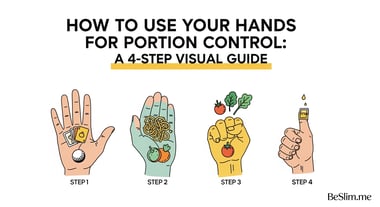
- Portion Control: Use measuring tools; a palm-sized protein portion is about 100-150 calories.
- Incorporate Variety: Include fiber-rich foods (e.g., 25-30g daily) to reduce hunger. Swap processed items for whole foods.
- Adjust for Activity: Add 200-300 calories on workout days to fuel exercise without derailing progress.
This optimization is supported by research indicating that meal planning reduces impulsive eating and supports long-term weight maintenance.
Weekly Goal: Prepare at least 70% of meals in advance. Watch for signs of nutrient gaps, like low energy, and supplement if necessary (e.g., multivitamin after consulting a doctor).
Step 4: Integrate Exercise and Monitoring (Week 4)
Combine calorie tracking with movement to boost your deficit safely. Monitor non-scale victories like improved energy.
- Add Activity: Aim for 150 minutes of moderate exercise weekly, like walking, which burns 200-400 calories per session.
- Track Progress: Weigh weekly, measure waist, and note how clothes fit. Adjust calories if loss stalls (e.g., reduce by 100 if needed).
- Hydrate and Sleep: Drink 8-10 glasses of water daily and aim for 7-9 hours of sleep, as dehydration or poor sleep can mimic hunger.
- Sustainability Check: Reflect on enjoyment; if tracking feels burdensome, explore flexible alternatives like intuitive eating hybrids.
Integrating exercise enhances calorie counting's efficacy, as per clinical data on combined interventions.
Weekly Goal: Establish a routine with 4-5 active days. If side effects like dizziness occur, increase calories temporarily.
Step 5: Maintain and Adapt Long-Term (Ongoing)
Transition to maintenance by refining habits for lifelong use. Reassess every 4-6 weeks.
- Set New Goals: Once at target weight, increase calories to TDEE for maintenance.
- Flexible Tracking: Log 3-4 days weekly instead of daily to prevent burnout.
- Handle Plateaus: If weight stalls, recalculate TDEE or add strength training to build muscle.
- Seek Support: Join communities or consult a dietitian for accountability.
This long-term adaptation prevents regain, with studies showing sustained tracking correlates with 5-year success rates.
Common Pitfalls and How to Avoid Them
Even with a solid plan, beginners often encounter hurdles. Here's a strategic breakdown of risks and evidence-based avoidance strategies:
Pitfall: Inaccurate Tracking – Underestimating portions leads to hidden calories and frustration.
Avoidance: Use a digital scale and app databases religiously. Studies show this improves accuracy by 30-40%.Pitfall: Nutrient Imbalances – Focusing solely on calories can neglect vitamins, causing deficiencies like low iron.
Avoidance: Prioritize whole foods and track macros. Supplement if needed, but consult a doctor first.Pitfall: Emotional Eating or Burnout – Strict counting may trigger stress eating or disordered patterns.
Avoidance: Incorporate non-food rewards and mindfulness. If signs of obsession appear, pause and seek professional help.Pitfall: Ignoring Lifestyle Factors – Overlooking sleep or stress can sabotage metabolism.
Avoidance: Integrate holistic habits like stress management; evidence links poor sleep to 20% higher calorie intake.Pitfall: Unsustainable Deficits – Cutting too low risks muscle loss and metabolic adaptation.
Avoidance: Stick to 500-calorie deficits and monitor for symptoms like hair loss, adjusting upward as needed.
Addressing these pitfalls proactively ensures safer, more effective implementation.
3 Highly Actionable Tips for Immediate Start
To kick off your calorie-counting journey today, implement these strategic tips:
Download an App and Log One Meal: Choose MyFitnessPal, scan your next meal's items, and note the total calories. This builds momentum without overwhelm.
Calculate Your TDEE Right Now: Use an online tool with your age, weight, height, and activity level. Subtract 500 calories to set your daily goal—aim to hit it starting tomorrow.
Prep a Balanced Snack: Measure out a 200-calorie option like apple slices with peanut butter. Eat it mindfully, logging it to practice portion awareness.
By following this guide, you'll have a confident, evidence-based path to weight loss. Remember, consistency over perfection drives results—track, adapt, and thrive.
References
- Controlled trials on calorie restriction for obesity - pubmed.ncbi.nlm.nih.gov
- NIH guidelines on energy balance for weight management - niddk.nih.gov
- Mayo Clinic studies on dietary tracking - mayoclinic.org


Medical Disclaimer
The content on this website is for informational and educational purposes only. It is not intended as medical advice and should not be relied upon as a substitute for consultations with qualified healthcare professionals who are familiar with your individual medical needs. Always seek the advice of your physician or other qualified healthcare provider with any questions you may have regarding a medical condition. Never disregard professional medical advice or delay in seeking it because of something you have read on this website.