As Master Kim, the Strategic Roadmaps Architect for BeSlim.me, I specialize in dissecting diet strategies like the ketogenic (keto) diet to provide balanced, evidence-based roadmaps. The keto diet emphasizes high-fat, moderate-protein, and very low-carbohydrate intake to induce ketosis—a metabolic state where your body burns fat for fuel. Calculating your keto macros (macronutrients: fats, proteins, and carbs) is essential for personalization and effectiveness. This guide offers a structured approach for beginners, backed by clinical insights, while maintaining a neutral stance on its suitability for everyone. We'll analyze pros and cons, outline a 5-step calculation process, and provide phased implementation to help you start strategically.
Remember, while keto can be effective for weight loss and metabolic health, it's not without risks. Consult a healthcare professional before starting, especially if you have conditions like diabetes, kidney issues, or eating disorders. Potential side effects include the "keto flu" (fatigue, headaches), nutrient deficiencies, and long-term unsustainability for some due to restrictive carb limits.
Pros & Cons of Using a Keto Macro Calculator
To kick off, let's evaluate the keto macro calculator method analytically. This tool helps tailor your daily intake of fats, proteins, and carbs based on personal factors like age, weight, activity level, and goals. Below is a balanced comparison table grounded in clinical evidence.
| Aspect | Pros | Cons |
|---|---|---|
| Effectiveness | Customizes macros for ketosis, potentially aiding weight loss and insulin sensitivity. Keto diets can lead to significant short-term weight loss by reducing appetite and promoting fat oxidation. | May not sustain long-term weight loss; some regain weight post-diet. Not ideal for athletes needing high carbs for performance. |
| Ease of Use | Provides precise, personalized targets, making tracking straightforward via apps. | Requires accurate input and ongoing adjustments; miscalculations can hinder ketosis or cause nutrient imbalances. |
| Health Impact | Can improve blood sugar control in type 2 diabetes. Low-carb keto approaches may enhance glycemic control through reduced carb intake. | Risks include electrolyte imbalances, constipation from low fiber, and elevated cholesterol in some individuals. Unsustainable for vegetarians or those with gallbladder issues. |
| Sustainability | Encourages whole foods and satiety from fats, fostering better adherence initially. | Highly restrictive, leading to social challenges or boredom; long-term adherence is low for many. |
| Cost & Accessibility | Free online tools available; no special equipment needed. | Relies on quality fats/proteins, which can be expensive; requires kitchen tools for meal prep. |
This table draws from evidence showing keto's metabolic benefits but highlights its limitations, such as potential nutrient gaps if not managed well.
Understanding Keto Macros: The Basics
Before diving into the steps, let's clarify what keto macros entail. In a standard keto diet, macros typically break down as:
- Fats: 70-80% of daily calories (primary energy source).
- Proteins: 15-20% (for muscle maintenance).
- Carbs: 5-10% (under 50g net carbs daily to maintain ketosis).
These ratios aren't one-size-fits-all; a calculator adjusts them based on your basal metabolic rate (BMR), total daily energy expenditure (TDEE), and goals like weight loss or maintenance. Evidence supports this customization: Personalized macro tracking in keto can optimize fat loss and metabolic health, as it aligns intake with individual energy needs.
The process is analytical—use formulas like the Harris-Benedict equation for BMR, then apply activity multipliers. Tools like online calculators (e.g., from reputable sites) automate this, but understanding the math builds confidence. Aim for gradual implementation to minimize side effects like digestive upset or energy dips.
Step-by-Step Implementation Guide: Calculating and Applying Your Keto Macros
This is the core roadmap: a 5-step guide to calculate your macros, followed by a phased rollout. I'll structure it as phases for implementation, assuming a beginner starts with calculation and transitions into weekly adjustments. Each step includes actionable details, backed by evidence where relevant. This phased approach ensures sustainability, with built-in monitoring to avoid common risks like over-restricting carbs too quickly.
Step 1: Determine Your Daily Calorie Needs
Start by calculating your TDEE, which estimates calories burned daily. Use the Mifflin-St Jeor formula for accuracy:
- For men: BMR = 10 × weight (kg) + 6.25 × height (cm) - 5 × age (years) + 5
- For women: BMR = 10 × weight (kg) + 6.25 × height (cm) - 5 × age (years) - 161
Multiply BMR by an activity factor (e.g., 1.2 for sedentary, 1.55 for moderately active). For weight loss, subtract 250-500 calories to create a deficit.
Phase 1 (Week 1: Preparation): Input your stats into a free keto calculator (e.g., from KetoDietApp or Ruled.me). Track your current intake for 3-5 days using an app like MyFitnessPal to baseline your habits. Goal: Establish a calorie target 20% below maintenance for safe fat loss. Warn: Rapid calorie cuts can cause fatigue; monitor energy levels.
Step 2: Set Your Macro Ratios
Apply keto ratios to your calorie target. For example, if your TDEE is 2,000 calories:
- Carbs: 5% = 100 calories (25g, since 1g carb = 4 calories).
- Proteins: 20% = 400 calories (100g, 1g protein = 4 calories).
- Fats: 75% = 1,500 calories (167g, 1g fat = 9 calories).
Adjust based on goals—higher protein for muscle-building.
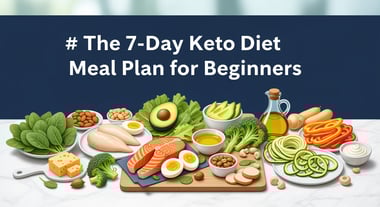
Phase 2 (Weeks 2-3: Transition to Ketosis): Gradually reduce carbs to under 50g/day while increasing fats. Sample meals: Breakfast—avocado and eggs; Lunch—salad with olive oil and chicken; Dinner—fatty fish like salmon. Use urine strips to check for ketosis (ketones >0.5 mmol/L). Evidence: This shift can take 3-7 days, with benefits like reduced hunger.
Step 3: Account for Personal Factors
Refine based on age, gender, activity, and health. For instance, active individuals may need more protein (1.6-2.2g/kg body weight). If diabetic, prioritize lower carbs.
Phase 3 (Weeks 4-6: Optimization): Log meals daily and adjust macros weekly. If not in ketosis, cut carbs further or increase fats. Incorporate electrolytes (sodium, potassium, magnesium) to combat keto flu. Track weight and measurements bi-weekly.
Step 4: Choose Tracking Tools
Select user-friendly apps like Carb Manager or Cronometer for real-time macro tracking. Input custom ratios and scan foods for accuracy.
Phase 4 (Weeks 7-8: Maintenance and Tweaks): Review progress—aim for 1-2 lbs/week loss. If stalled, recalculate TDEE (weight changes affect it). Introduce variety, like keto-friendly recipes, to prevent burnout.
Step 5: Monitor and Adjust Regularly
Weigh in weekly, test ketones, and reassess every 4-6 weeks. If side effects arise (e.g., hair loss from nutrient gaps), consult a doctor and supplement accordingly (e.g., multivitamins).
Phase 5 (Ongoing: Long-Term Adaptation): After 2 months, evaluate sustainability. Cycle in higher-carb days if needed (cyclical keto) for athletes. Focus on whole foods to mitigate risks like high saturated fat intake leading to heart concerns.
This 5-step, phased guide promotes a strategic entry into keto, with evidence indicating structured macro tracking enhances adherence and outcomes.
Common Pitfalls and How to Avoid Them
Even with a solid plan, beginners often encounter hurdles. Here's a direct analysis of key pitfalls, with evidence-based avoidance strategies. This addresses the unsustainability risk: Keto's restrictive nature can lead to dropout rates over 50% within a year if not managed.
Pitfall: Inaccurate Calculations Leading to No Ketosis – Misestimating activity levels overinflates calories, preventing fat-burning. Avoid: Double-check inputs with a second calculator and verify with blood ketone meters for precision.
Pitfall: Nutrient Deficiencies from Low Veggie Intake – Keto limits high-carb veggies, risking low fiber, vitamins (e.g., C, K), and electrolytes, causing constipation or cramps. Avoid: Prioritize low-carb greens like spinach and broccoli; supplement with a keto-friendly multivitamin. Evidence links this to improved gut health.
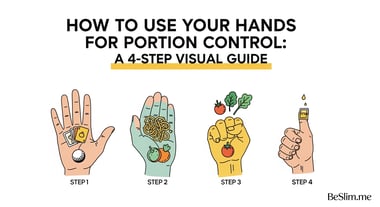
Pitfall: Overeating Fats or Ignoring Protein – Excess calories from fats can stall weight loss, while low protein causes muscle loss. Avoid: Stick to calculated macros and weigh portions initially. For sustainability, focus on healthy fats (avocados, nuts) over processed ones.
Pitfall: Ignoring Side Effects Like Keto Flu – Symptoms (headaches, irritability) from electrolyte loss can derail motivation. Avoid: Hydrate with 3-4 liters water daily, add salt to meals, and ease in gradually over 1-2 weeks.
Pitfall: Social or Psychological Burnout – Restriction can lead to isolation or disordered eating patterns. Avoid: Plan flexible "keto-ish" meals for events and seek support from communities. If unsustainable, transition out mindfully to avoid rebound weight gain.
By anticipating these, you enhance long-term success while minimizing contraindications like worsened kidney function in predisposed individuals.
3 Highly Actionable Tips for an Immediate Start
To jumpstart your keto macro journey confidently, implement these goal-oriented tips today:
Calculate Your Macros Right Now: Grab a notebook, measure your height/weight, and use an online tool to get your personalized targets. Set a reminder to log one meal immediately for practice.
Stock Your Kitchen Strategically: Buy 5-7 keto staples like eggs, cheese, nuts, olive oil, and leafy greens. Prep a simple meal (e.g., bacon-wrapped asparagus) to test your macros without overwhelm.
Track and Reflect Daily: Download a free app, input your first day's intake before bed, and note how you feel. Adjust one macro (e.g., add more fat if hungry) based on insights for quick wins.
These tips are designed for immediate momentum, drawing from keto's evidence-based appetite suppression to build habits fast.
In summary, calculating keto macros empowers a tailored approach to ketosis, but balance it with professional advice for safety. This guide equips you with analytical tools for success—stay strategic and monitor progress.
References
- Keto diets can lead to significant short-term weight loss - pubmed.ncbi.nlm.nih.gov
- Low-carb keto approaches may enhance glycemic control - mayoclinic.org
- Personalized macro tracking in keto can optimize fat loss and metabolic health - niddk.nih.gov


Medical Disclaimer
The content on this website is for informational and educational purposes only. It is not intended as medical advice and should not be relied upon as a substitute for consultations with qualified healthcare professionals who are familiar with your individual medical needs. Always seek the advice of your physician or other qualified healthcare provider with any questions you may have regarding a medical condition. Never disregard professional medical advice or delay in seeking it because of something you have read on this website.