As Master Kim, the Strategic Roadmaps Architect for BeSlim.me, I specialize in dissecting diet strategies with a balanced, evidence-based lens. Calculating a calorie deficit is a foundational approach to weight loss, rooted in the principle of consuming fewer calories than your body expends. This guide provides a structured, step-by-step roadmap to implement it effectively, drawing on clinical evidence for sustainable results. We'll analyze its pros and cons, outline a phased implementation plan, address risks, and end with actionable tips. Remember, while effective, this method requires personalization—consult a healthcare professional before starting, especially if you have underlying health conditions.
Pros and Cons of Calculating a Calorie Deficit
Before diving into the how-to, let's weigh the advantages and drawbacks of this strategy. Based on clinical insights, calorie deficit methods promote weight loss by creating an energy imbalance, but they aren't without challenges. Here's a balanced comparison:
| Aspect | Pros | Cons |
|---|---|---|
| Effectiveness | Proven to facilitate steady weight loss of 0.5-1 lb per week when done sustainably, supported by energy balance principles. | May lead to plateaus if not adjusted, as metabolism can adapt over time. |
| Flexibility | Allows incorporation of any foods, making it adaptable to various lifestyles and preferences. | Requires consistent tracking, which can feel restrictive or time-consuming for some. |
| Health Benefits | Can improve metabolic markers like blood sugar control when paired with nutrient-dense foods. | Risk of nutrient deficiencies if calorie restriction cuts out essential food groups. |
| Sustainability | Easier to maintain long-term compared to extreme diets, as it focuses on moderation. | Potential for yo-yo dieting if deficits are too aggressive, leading to muscle loss or fatigue. |
| Accessibility | No special tools needed beyond basic apps or calculators; widely applicable. | Overemphasis on calories might ignore food quality, leading to poor nutritional choices. |
This table highlights the method's strategic value while underscoring the need for caution. Now, let's build your roadmap.
Understanding Calorie Deficit: The Science Behind It
A calorie deficit occurs when you burn more calories than you consume, forcing your body to tap into stored fat for energy. This is grounded in the laws of thermodynamics and has been validated through numerous studies. For instance, research on energy balance shows that a 500-calorie daily deficit typically yields about 1 lb of weight loss per week, assuming consistent adherence.
However, sustainability is key. Aggressive deficits (e.g., over 1,000 calories daily) can lead to side effects like muscle loss, slowed metabolism, or hormonal imbalances. Contraindications include pregnancy, eating disorders, or conditions like hypothyroidism—always seek medical advice. The goal here is not rapid loss but a balanced, evidence-based approach for long-term health.
Step-by-Step Implementation Guide
This 4-step guide is structured as a phased roadmap, spanning four weeks for gradual adoption. Each phase builds on the last, incorporating clinical evidence to ensure effectiveness. Aim for a moderate deficit of 500-750 calories per day for sustainable weight loss, which studies indicate can preserve muscle mass better than larger deficits. Track progress weekly, adjusting as needed.
Phase 1: Calculate Your Maintenance Calories (Week 1)
Start by determining your baseline— the calories your body needs to maintain current weight. This sets the foundation for your deficit.
Estimate Your Basal Metabolic Rate (BMR): Use the Harris-Benedict equation, a clinically validated formula. For men: BMR = 88.362 + (13.397 × weight in kg) + (4.799 × height in cm) - (5.677 × age in years). For women: BMR = 447.593 + (9.247 × weight in kg) + (3.098 × height in cm) - (4.330 × age in years). Input your details into a free online calculator for accuracy.
Factor in Activity Level: Multiply your BMR by an activity multiplier: Sedentary (little exercise) = 1.2; Lightly active = 1.375; Moderately active = 1.55; Very active = 1.725. This gives your Total Daily Energy Expenditure (TDEE).
Track for Validation: Spend Week 1 logging your food intake without changes using an app like MyFitnessPal. Compare your average intake to your calculated TDEE to confirm accuracy. Adjust if your weight remains stable.
By the end of Week 1, you'll have a personalized TDEE baseline. This phase emphasizes precision, as inaccurate calculations can undermine results.
Phase 2: Determine Your Deficit Goal (Week 2)
With your TDEE in hand, define a safe deficit. Evidence suggests aiming for 10-20% below TDEE to minimize risks like nutrient shortfalls.
Set a Realistic Target: Subtract 500-750 calories from your TDEE. For example, if your TDEE is 2,500 calories, target 1,750-2,000 daily. This promotes fat loss without excessive hunger.
Incorporate Macros for Balance: Allocate calories wisely: 45-65% from carbs, 20-35% from fats, and 10-35% from proteins, per dietary guidelines. Focus on whole foods to support satiety.
Monitor Initial Response: Track weight, energy levels, and hunger. If you feel fatigued, increase calories slightly—sustainability trumps speed.
Week 2 is about customization. Remember, clinical trials show that gradual deficits lead to better adherence and long-term success compared to crash diets.
Phase 3: Implement and Track Your Deficit (Week 3)
Now, put the plan into action with daily tracking and adjustments.
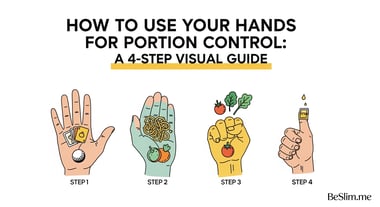
Meal Planning: Create a sample daily menu within your calorie goal. For instance: Breakfast (400 calories) - Oatmeal with fruits; Lunch (500 calories) - Grilled chicken salad; Dinner (500 calories) - Stir-fried veggies with tofu; Snacks (300 calories) - Nuts and yogurt. Use portion control tools like measuring cups.
Incorporate Exercise: Boost your deficit naturally by adding 150-300 minutes of moderate activity weekly, such as walking or cycling. This enhances calorie burn without solely relying on food restriction.
Weekly Check-Ins: Weigh yourself once a week, measure body metrics, and log progress. If weight loss stalls, recalculate TDEE, as activity changes can shift it.
This phase focuses on habit-building, ensuring the deficit feels manageable.
Phase 4: Optimize and Maintain for Sustainability (Week 4 and Beyond)
Refine your approach for long-term success, transitioning from deficit to maintenance as you near goals.
Adjust Based on Data: If you've lost 1-2 lbs per week, continue; otherwise, tweak by 100-200 calories. Include refeed days (eating at TDEE) weekly to prevent metabolic slowdown.
Build Supportive Habits: Integrate mindfulness techniques, like journaling hunger cues, to avoid emotional eating. Pair with strength training to preserve muscle.
Plan for Maintenance: Once at your goal, gradually increase calories to TDEE over 2-4 weeks to stabilize weight.
By Week 4, you'll have a tailored system. This phased approach, backed by evidence, reduces dropout rates common in unstructured dieting.
Risk Management: Potential Side Effects and Warnings
While calculating a calorie deficit is effective, it's not without risks. Potential side effects include fatigue, irritability, hair loss, or gallstones from rapid weight loss. It's unsustainable if overly restrictive, potentially leading to binge eating or metabolic adaptations that make future weight loss harder. Contraindications: Avoid if you're underweight, pregnant, or have a history of disordered eating. Always consult a doctor, especially for deficits over 1,000 calories, as they can exacerbate conditions like diabetes or heart disease.
Common Pitfalls and How to Avoid Them
Navigating calorie deficits requires vigilance. Here are key pitfalls, drawn from clinical observations, with strategies to sidestep them:
Pitfall 1: Inaccurate Tracking – Underestimating portions leads to unintended overeating. Avoidance: Use a digital scale for food and verify app data against nutrition labels. Reassess TDEE every 4-6 weeks.
Pitfall 2: Ignoring Nutrient Density – Focusing solely on calories can cause micronutrient deficiencies, like low iron or vitamin D. Avoidance: Prioritize veggies, lean proteins, and whole grains; consider a multivitamin if needed, per NIH guidelines.
Pitfall 3: Overly Aggressive Deficits – This causes muscle loss and burnout. Avoidance: Stick to 500-750 calories below TDEE and monitor biofeedback like sleep quality. If energy dips, scale back immediately.
Pitfall 4: Neglecting Non-Scale Victories – Obsessing over weight ignores improvements in energy or clothing fit. Avoidance: Track holistic metrics, such as mood or strength, to maintain motivation.
By addressing these, you'll enhance safety and adherence.
Actionable Takeaways: 3 Tips to Get Started Today
To jumpstart your journey, here are three highly actionable tips grounded in evidence for immediate implementation:
Calculate Your TDEE Right Now: Grab a calculator or app, input your stats, and determine your baseline in under 5 minutes. This sets a concrete starting point.
Log One Day's Meals: Use a free tracking tool to record today's intake and compare it to your estimated TDEE—identify easy cuts like swapping sugary drinks for water.
Schedule a Weekly Review: Set a recurring calendar reminder for Sunday check-ins to weigh in, adjust calories, and plan meals, fostering consistency from the outset.
Implementing this guide can lead to sustainable weight loss, but patience is essential. As Master Kim, I recommend viewing this as a strategic investment in your health—track, adapt, and thrive.
References
- Research on energy balance shows that a 500-calorie daily deficit typically yields about 1 lb of weight loss per week - ncbi.nlm.nih.gov
- Studies indicate can preserve muscle mass better than larger deficits - mayoclinic.org
- Clinical trials show that gradual deficits lead to better adherence and long-term success - healthline.com


Medical Disclaimer
The content on this website is for informational and educational purposes only. It is not intended as medical advice and should not be relied upon as a substitute for consultations with qualified healthcare professionals who are familiar with your individual medical needs. Always seek the advice of your physician or other qualified healthcare provider with any questions you may have regarding a medical condition. Never disregard professional medical advice or delay in seeking it because of something you have read on this website.