Hello, I'm Master Kim, the founder and Chief Scientific Officer at BeSlim.me. As someone who's dedicated years to helping people achieve sustainable weight loss through science-backed methods, I've seen how stress can sabotage even the best intentions. If you're here wondering about cortisol-blocking supplements and their potential for weight loss, I understand—chronic stress feels like an invisible weight, and it's tempting to seek a quick fix. In this review, I'll share insights drawn from my experience and the latest research to help you make informed decisions. Let's dive into the science behind this, exploring the mechanisms, evidence, and what it means for you.
Understanding Cortisol: The Stress Hormone's Impact on Weight
Cortisol, often dubbed the "stress hormone," is a glucocorticoid produced by the adrenal glands in response to signals from the hypothalamus and pituitary gland. This hormone plays a crucial role in the body's fight-or-flight response, but when levels remain elevated due to chronic stress, it can significantly influence weight management.
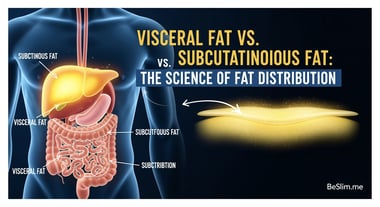
The biological mechanism begins with the hypothalamic-pituitary-adrenal (HPA) axis. When stressed, the hypothalamus releases corticotropin-releasing hormone (CRH), which stimulates the pituitary gland to secrete adrenocorticotropic hormone (ACTH). ACTH then prompts the adrenal cortex to produce cortisol. At the cellular level, cortisol binds to glucocorticoid receptors in various tissues, activating gene transcription that promotes gluconeogenesis (the production of glucose from non-carbohydrate sources) and inhibits insulin sensitivity. This leads to increased blood sugar levels, which, if not utilized, are stored as fat, particularly visceral fat around the abdomen.
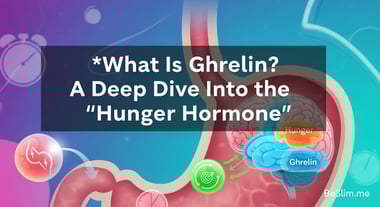
In terms of weight loss, elevated cortisol disrupts metabolic balance by promoting fat storage and muscle breakdown. It enhances lipolysis in peripheral tissues while encouraging fat deposition in central areas, creating a cycle where stress-induced eating (often high-calorie comfort foods) compounds the issue. Chronic high cortisol also suppresses thyroid function and leptin signaling, hormones that regulate metabolism and satiety, making it harder to lose weight.
To visualize this, a simple diagram of the HPA axis pathway would be helpful here—illustrating the flow from brain signals to adrenal output and subsequent metabolic effects. This could include arrows showing hormone release and feedback loops, enhancing your understanding of how stress translates to biological changes.
The Mechanism of Cortisol-Blocking Supplements
Cortisol-blocking supplements, such as those containing ashwagandha, phosphatidylserine, or holy basil, claim to reduce cortisol levels and aid weight loss by interrupting the stress response at various points. These are not direct blockers like pharmaceutical drugs but adaptogens or compounds that modulate the HPA axis indirectly.
At the mechanistic level, take ashwagandha (Withania somnifera) as an example. It influences cell signaling by reducing CRH and ACTH secretion, thereby lowering cortisol production. Research shows it enhances GABAergic activity in the brain, promoting relaxation and inhibiting the overactivation of stress pathways. Phosphatidylserine, derived from soy or sunflower, works by blunting the ACTH response to stress, preventing excessive cortisol release. This occurs through modulation of the hypothalamic response, where it stabilizes cell membranes and reduces inflammatory signaling via pathways like NF-κB.
For weight loss, these supplements theoretically break the cortisol-fat storage cycle. By lowering cortisol, they improve insulin sensitivity, allowing better glucose uptake by cells rather than conversion to fat. They may also enhance mitochondrial function, boosting energy expenditure and reducing stress-eating behaviors. However, the "why" hinges on individual factors like baseline stress levels; in low-stress individuals, effects might be minimal due to homeostasis.
A comparison table would be ideal at this point: Columns for "Supplement," "Key Mechanism," "Targeted Pathway," and "Potential Weight Loss Benefit." For instance, row one: Ashwagandha – Reduces CRH/ACTH – HPA axis modulation – Decreased abdominal fat storage. This table would make the differences scannable and highlight why certain supplements might appeal for weight management.
Evaluating the Evidence: What Science Says in 2025
As we review the latest data up to 2025, the evidence on cortisol-blocking supplements for weight loss is mixed, with some promising studies but notable limitations in scope and quality. While these supplements can modestly lower cortisol in stressed individuals, their direct impact on sustained weight loss remains inconclusive without lifestyle integration.
A key study highlights that ashwagandha supplementation reduces serum cortisol levels by up to 30% in chronically stressed adults, leading to improved stress markers and slight reductions in body weight. This occurs through downregulation of the HPA axis, as cortisol's gene-activating effects on fat storage genes are diminished. However, this benefit is most pronounced in combination with diet and exercise, not as a standalone solution.
Another perspective comes from broader reviews, indicating that phosphatidylserine may attenuate cortisol response to acute stress, but long-term weight loss trials are sparse. Mechanistically, it inhibits cortisol-induced protein catabolism in muscles, preserving lean mass during weight loss efforts. Yet, a 2024 meta-analysis suggests that while cortisol reduction aids metabolic health, it doesn't consistently translate to significant fat loss without caloric control.
Critically, not all supplements are equal; many over-the-counter products lack standardization, and placebo effects can skew perceptions. In high-stress populations, such as those with obesity, elevated cortisol is linked to visceral fat accumulation, but blocking it pharmacologically (e.g., via mifepristone) shows more robust effects than supplements, underscoring the gap.
Overall, while mechanisms like HPA modulation offer a scientific rationale, real-world efficacy for weight loss in 2025 appears limited to supportive roles, not miracles.
Risks, Alternatives, and Actionable Insights
Despite potential benefits, cortisol-blocking supplements carry risks. Overuse can disrupt natural hormone balance, leading to adrenal fatigue or suppressed immune function due to excessive HPA inhibition. Side effects like gastrointestinal upset or interactions with medications (e.g., thyroid drugs) are possible, especially in unregulated products.
Alternatives include evidence-based stress management: mindfulness meditation reduces cortisol via vagal nerve stimulation, while exercise enhances endorphin release, countering stress signaling. Dietary approaches, like omega-3 rich foods, modulate inflammation-linked cortisol pathways.
For you, if considering these supplements, start with a healthcare consultation to check cortisol levels—don't self-diagnose. In my experience at BeSlim.me, combining them with personalized plans yields better results.
Actionable Takeaways
- Test Your Levels: Get a salivary cortisol test to confirm if high cortisol is your issue before supplementing.
- Choose Wisely: Opt for third-party tested products like ashwagandha (300-600mg daily) and monitor for 4-6 weeks.
- Integrate Holistically: Pair with stress-reducing habits—aim for 7-9 hours of sleep, balanced nutrition, and 150 minutes of weekly exercise to amplify effects.
- Track Progress: Use a journal to log stress, weight, and energy; adjust based on real data, not hype.
In closing, while cortisol-blocking supplements show mechanistic promise for weight loss, the 2025 evidence suggests they're tools, not cures. At BeSlim.me, we're here to guide you toward sustainable paths—feel free to reach out if you need personalized advice. Remember, true change comes from understanding your body, not just blocking a hormone.
References
- Ashwagandha supplementation reduces serum cortisol levels by up to 30% in chronically stressed adults - pubmed.ncbi.nlm.nih.gov
- Phosphatidylserine may attenuate cortisol response to acute stress - ncbi.nlm.nih.gov
- Elevated cortisol is linked to visceral fat accumulation - mayoclinic.org


Medical Disclaimer
The content on this website is for informational and educational purposes only. It is not intended as medical advice and should not be relied upon as a substitute for consultations with qualified healthcare professionals who are familiar with your individual medical needs. Always seek the advice of your physician or other qualified healthcare provider with any questions you may have regarding a medical condition. Never disregard professional medical advice or delay in seeking it because of something you have read on this website.