Hello, I'm Master Kim, the Founder and Chief Scientific Officer at BeSlim.me. Over the years, I've guided countless individuals on their weight loss journeys, and one question keeps coming up: Is the simple idea of 'calories in, calories out' (CICO) really all there is to managing weight, or is it just a myth? I've seen how this concept can empower you when understood correctly, but also how misconceptions can lead to frustration. In this 2025 scientific review, we'll explore the truth behind CICO, drawing from the latest research to help you make informed decisions. Let's dive into the science behind this foundational principle.
Understanding CICO: The Basics of Energy Balance
At its core, CICO refers to the principle that weight change results from the balance between calories consumed (calories in) and calories expended (calories out). If you take in more energy than your body uses, you gain weight; if you expend more than you consume, you lose it. This idea stems from the first law of thermodynamics, which states that energy cannot be created or destroyed—only transformed. In human biology, this translates to how our bodies process food as fuel.
To grasp why CICO holds up, consider the body's energy systems at a cellular level. Food provides macronutrients—carbohydrates, proteins, and fats—that are broken down into glucose, amino acids, and fatty acids. These enter cells via transport proteins and are metabolized in the mitochondria, the cell's powerhouses. Here, adenosine triphosphate (ATP) is produced through processes like glycolysis and oxidative phosphorylation, releasing energy for bodily functions.
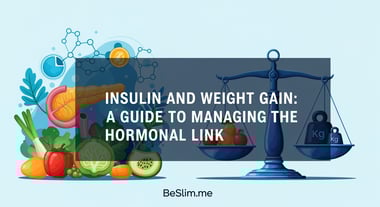
Hormones play a pivotal role in regulating this balance. Insulin, secreted by the pancreas in response to carbohydrate intake, signals cells to uptake glucose, promoting storage as glycogen or fat. Conversely, glucagon encourages the breakdown of stored energy during fasting states. Disruptions in these signaling pathways, such as insulin resistance, can alter how efficiently calories are processed, but they don't violate the energy balance equation—they simply affect the "out" side.
A simple comparison table could enhance understanding here:
| Factor | Calories In | Calories Out |
|---|---|---|
| Sources | Food and beverages | Basal metabolic rate (BMR), physical activity, thermogenesis |
| Influences | Diet composition, portion sizes | Hormones (e.g., thyroid), muscle mass, age |
| Measurement | Tracking intake via apps or labels | Estimating via formulas like Harris-Benedict |
This table illustrates how both sides interact, emphasizing that CICO isn't simplistic but rooted in measurable biology.
The Scientific Evidence: Why CICO Isn't a Myth
Let's transition to the mechanisms and evidence supporting CICO. Numerous studies affirm that energy balance dictates weight outcomes, even amidst metabolic variations.
At the cellular level, calorie expenditure involves intricate signaling. The basal metabolic rate (BMR), accounting for 60-75% of daily energy use, is driven by ATP demands in organs like the liver and brain. Thyroid hormones, such as triiodothyronine (T3), bind to nuclear receptors, upregulating genes for mitochondrial biogenesis and increasing oxygen consumption. This enhances the rate at which calories are burned at rest. Physical activity adds to this via muscle contraction, where calcium ions trigger myosin-actin interactions, fueled by ATP hydrolysis.
Research consistently shows that creating a calorie deficit leads to weight loss, regardless of diet type. For instance, a controlled trial demonstrated that participants on various low-calorie diets lost similar amounts of weight when deficits were equated, highlighting energy balance over macronutrient ratios. According to a comprehensive review, calorie restriction reliably induces fat loss through reduced energy intake, as it forces the body to mobilize stored lipids via hormone-sensitive lipase activation in adipocytes.
However, nuances exist. Adaptive thermogenesis can reduce calories out during prolonged deficits, where the hypothalamus signals a downregulation of energy expenditure to conserve resources. Leptin, produced by fat cells, informs the brain of energy stores; low levels during dieting activate hunger pathways via neuropeptide Y, potentially leading to overeating. Yet, these adaptations don't negate CICO—they modify the equation's variables.
For visual clarity, a diagram of the energy balance equation would be helpful: Imagine a flowchart showing "Calories In" (food intake) minus "Calories Out" (BMR + activity + digestion), equaling net energy storage or loss, with arrows indicating hormonal influences like insulin and leptin.
Common Myths and Misconceptions About CICO
Despite strong evidence, myths persist that CICO is overly simplistic or outright false. One prevalent myth is that "all calories are not equal," suggesting hormones or food types override energy balance. While true that processed foods can spike insulin more than whole foods, leading to quicker hunger, this affects behavior rather than thermodynamics. The mechanism involves the gut-brain axis: High-glycemic foods rapidly elevate blood glucose, prompting insulin surges that clear glucose, sometimes causing rebound hypoglycemia and cravings. However, weight change still boils down to total energy.
Another misconception is that metabolism "slows down" permanently after dieting, making CICO ineffective. In reality, while acute reductions in BMR occur due to lost muscle mass and hormonal shifts (e.g., decreased T3 levels), these are often reversible with proper nutrition and exercise. A study found that post-diet metabolic adaptations are temporary and can be mitigated by resistance training, which preserves lean mass and sustains ATP demands.
Critics also point to conditions like hypothyroidism, where low thyroid hormone impairs cellular energy production, reducing calories out. Yet, even here, adjusting intake to match the lowered expenditure aligns with CICO. The underlying biology involves thyroid-stimulating hormone (TSH) from the pituitary gland stimulating T3/T4 release, which binds to receptors enhancing gene expression for enzymes in the electron transport chain.
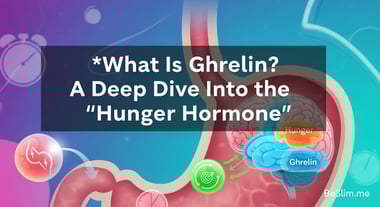
Finally, the "set point" theory suggests the body defends a weight range via homeostatic mechanisms, like altered ghrelin levels increasing appetite. While this adds complexity, it doesn't make CICO a myth—sustained deficits can shift the set point over time through epigenetic changes in fat cells.
Practical Applications and Actionable Takeaways
We've unpacked the science, and it's clear: CICO is not a myth but a fundamental truth grounded in biology, with hormones and cellular processes adding layers of complexity. As someone who's helped many navigate this, I encourage you to view it as a tool, not a rigid rule.
Here are some actionable takeaways to apply CICO effectively:
Track Mindfully: Start by calculating your BMR using tools like the Mifflin-St Jeor equation, then add activity levels to estimate total daily energy expenditure (TDEE). Aim for a 500-calorie deficit daily for sustainable weight loss—about 1 pound per week.
Focus on Quality: While calories count, prioritize nutrient-dense foods to support hormonal balance. For example, include protein-rich meals to boost satiety via cholecystokinin signaling, reducing the urge to overeat.
Incorporate Movement: Build muscle through strength training to elevate your BMR long-term, as more mitochondria in muscle cells increase resting calorie burn.
Monitor and Adjust: Weigh yourself weekly and adjust intake if progress stalls, accounting for potential adaptive thermogenesis. If you suspect hormonal issues, consult a doctor for tests like TSH levels.
Be Patient and Kind to Yourself: Weight loss isn't linear due to water fluctuations and metabolic adaptations, but consistency with CICO principles yields results.
By understanding these mechanisms, you can take control of your health journey. At BeSlim.me, we're here to support you every step of the way. Remember, science empowers informed choices—let's make 2025 your year of transformation.
References


Medical Disclaimer
The content on this website is for informational and educational purposes only. It is not intended as medical advice and should not be relied upon as a substitute for consultations with qualified healthcare professionals who are familiar with your individual medical needs. Always seek the advice of your physician or other qualified healthcare provider with any questions you may have regarding a medical condition. Never disregard professional medical advice or delay in seeking it because of something you have read on this website.