Hello, I'm Master Kim, your Empathic Storyteller and Editor here at BeSlim.me. I've had the privilege of walking alongside so many of you on your health journeys, and today, I want to share a story that hits close to home for anyone who's ever felt stuck in a weight loss plateau. This is the real-life diary of Sarah, a dedicated BeSlim.me member who, after two frustrating years of stalled progress, turned things around with the help of a Continuous Glucose Monitor (CGM). Her story isn't about overnight miracles—it's about the raw emotions of struggle, the spark of discovery, and the steady grind of real change. As I narrate her journey, I'll weave in my own reflections because I know how these plateaus can feel like a personal defeat. If you're reading this and nodding along, know that you're not alone. Let's dive in.
Part 1: The Struggle (The 'Before')
Sarah's journey began like so many others—with hope, determination, and a plan. At 42, a busy mom of two and a full-time office worker, she had always been active, but after her second pregnancy, the weight just wouldn't budge. She started strong: cutting calories, hitting the gym three times a week, even trying popular diets like keto and intermittent fasting. For the first six months, the scale moved—down 25 pounds—and she felt empowered. But then, it stopped. Dead halt. For two long years, no matter what she tried, the needle on the scale stayed frozen at 185 pounds.
I remember Sarah sharing her diary entries with me, and the frustration poured out like an open wound. "Why is this happening?" she'd write. "I'm doing everything right—tracking macros, walking 10,000 steps a day, even sacrificing my favorite treats. But my body feels like it's fighting me." Emotionally, it was crushing. She felt defeated, questioning her willpower. Mornings started with motivation, but by evening, after a stressful day juggling work calls and kids' homework, she'd reach for comfort food—a handful of chips or a glass of wine—and the guilt would spiral. "I see my friends losing weight effortlessly," she confided, "and I wonder if I'm just broken."
Her failed attempts piled up. First, there was the extreme calorie restriction, which left her exhausted and irritable, leading to binges that erased any progress. Then, high-intensity workouts that promised quick results but only spiked her stress levels, making her crave sugary snacks even more. She tried supplements and detox teas, but they felt like empty promises, leaving her wallet lighter and her hope dimmer. Medically, she was healthy—no thyroid issues or major diagnoses—but the plateau persisted, invisible yet impenetrable.
As I read her words, my heart ached because I've seen this pattern in so many stories. Plateaus aren't just physical; they're emotional battles that chip away at your self-worth. Sarah's experience highlights how our bodies can adapt to changes, holding onto weight as a survival mechanism. She didn't know it yet, but underlying factors like fluctuating blood sugar were silently sabotaging her efforts. If you've been there, feeling like every step forward is met with two back, hold on—Sarah's turning point might just inspire yours.
Part 2: The Turning Point (The 'Solution')
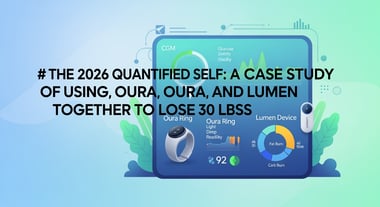
Everything shifted when Sarah joined BeSlim.me and discovered the power of a Continuous Glucose Monitor (CGM). It wasn't a flashy gadget or a fad; it was a simple tool that gave her real-time insights into how her body responded to food, stress, and daily habits. I encouraged her to start a 30-day diary, tracking not just her glucose levels but also her emotions and choices. "This isn't about perfection," I told her. "It's about understanding your unique body so you can make informed, compassionate changes."
The CGM revealed patterns Sarah had never noticed. For instance, her morning coffee with creamer spiked her blood sugar, leading to crashes that triggered afternoon cravings. Stressful work meetings sent her cortisol levels soaring, which in turn affected her insulin response and made fat storage more likely. Scientifically, this ties into concepts like leptin resistance, where the hormone that signals fullness becomes less effective over time, especially in prolonged dieting. Sarah learned that her two-year plateau might have been exacerbated by this, as her body resisted further weight loss to protect itself. Research on leptin resistance shows it can hinder weight loss in obese individuals, explaining why her efforts felt futile.
Cortisol management became another key focus. Chronic stress from her demanding life was elevating this hormone, which promotes abdominal fat storage and disrupts metabolism. By using the CGM to monitor how stress impacted her glucose, Sarah started incorporating short breathing exercises and evening walks, which helped stabilize her levels. Studies support this: Managing cortisol through mindfulness can improve metabolic health, reducing the body's tendency to hold onto weight during high-stress periods.
Habit formation was the glue that held it all together. Instead of overhauling her life overnight, Sarah built small, sustainable changes based on her CGM data. She swapped her sugary creamer for a protein-rich alternative, timed her meals to avoid spikes, and tracked how consistent sleep improved her readings. This aligns with behavioral science on habit formation, where gradual adjustments lead to lasting change rather than willpower alone. Habit formation through small cues enhances long-term adherence to health goals, making tools like CGM invaluable for personalization.
Through our BeSlim.me community sessions, Sarah felt supported—not judged. "For the first time," she wrote in her diary, "I see my body as a partner, not an enemy." I beamed reading that, because that's the empathy we foster here. No gimmicks, just real science and human connection guiding her forward.
Part 3: The Success (The 'After')
Over those 30 days, Sarah's CGM diary transformed from pages of doubt to triumphs. By day 10, she noticed her energy stabilizing—no more mid-afternoon slumps. The scale, which had been stagnant for so long, finally budged: down 8 pounds by the end of the month. But the real wins were deeper. Her clothes fit better, her mood lifted, and she handled stress without emotional eating. "I broke the plateau," she shared, "not by forcing my body, but by listening to it."
Life transformed in ways she hadn't anticipated. Mornings became rituals of mindful eating, fueled by CGM insights that kept her blood sugar steady. She had more patience with her kids, more focus at work, and a renewed sense of control. The emotional weight lifted too—no more self-doubt spirals. Sarah's story shows that success isn't just about numbers; it's about reclaiming your vitality.
Of course, it wasn't effortless. There were slip-ups, like a family pizza night that spiked her readings, but she used them as learning moments, adjusting without shame. By emphasizing consistency over perfection, she built resilience. Her journey underscores that health transformations are marathons, rewarding those who persist with empathy toward themselves.
As I reflect on Sarah's diary, I'm inspired by her courage. She didn't just lose weight; she gained insight, turning a 2-year rut into a foundation for lifelong wellness. If her story resonates, remember: your plateau isn't permanent. With tools like CGM and a supportive community like BeSlim.me, you can uncover what's holding you back and step into your own success.
Key Lessons for Your Journey
Listen to Your Body's Signals: Use tools like a CGM to understand how food and stress affect your glucose levels, rather than relying on generic diets. This personalization can reveal hidden barriers like blood sugar spikes that fuel plateaus.
Manage Stress for Metabolic Health: Incorporate simple practices like breathing exercises or walks to lower cortisol, which can otherwise promote fat storage and hinder weight loss.
Build Habits Gradually: Focus on small, data-driven changes over time to foster lasting habits, ensuring consistency without burnout for sustainable results.
References
- Research on leptin resistance shows it can hinder weight loss in obese individuals - pubmed.ncbi.nlm.nih.gov
- Managing cortisol through mindfulness can improve metabolic health - mayoclinic.org
- Habit formation through small cues enhances long-term adherence to health goals - newsinhealth.nih.gov

Medical Disclaimer
The content on this website is for informational and educational purposes only. It is not intended as medical advice and should not be relied upon as a substitute for consultations with qualified healthcare professionals who are familiar with your individual medical needs. Always seek the advice of your physician or other qualified healthcare provider with any questions you may have regarding a medical condition. Never disregard professional medical advice or delay in seeking it because of something you have read on this website.