As Master Kim, the Strategic Roadmaps Architect for BeSlim.me, I'm here to provide a high-priority strategic guide on the Mediterranean diet. This evidence-based approach emphasizes whole foods like fruits, vegetables, whole grains, lean proteins, and healthy fats, drawing from traditional eating patterns in countries bordering the Mediterranean Sea. It's not just a diet—it's a sustainable lifestyle shift backed by clinical research for heart health, weight management, and overall wellness. In this guide, I'll analyze its pros and cons, deliver a step-by-step 7-day meal plan tailored for beginners, highlight risks, and offer actionable steps to get started. Remember, while effective, this plan should be personalized; consult a healthcare professional before making changes, especially if you have underlying conditions.
Pros & Cons of the Mediterranean Diet
To kick off, let's strategically evaluate the Mediterranean diet's strengths and weaknesses. This balanced analysis is grounded in clinical evidence, helping you decide if it aligns with your goals.
| Aspect | Pros | Cons |
|---|---|---|
| Health Benefits | Promotes heart health by reducing inflammation and improving cholesterol levels, as supported by long-term studies on cardiovascular risk reduction. | May not lead to rapid weight loss compared to restrictive diets, potentially frustrating those seeking quick results. |
| Sustainability | Emphasizes enjoyable, whole foods like olive oil and nuts, making it easier to maintain long-term without feeling deprived. | Requires access to fresh produce and seafood, which can be costly or unavailable in some regions. |
| Nutritional Balance | Rich in antioxidants, fiber, and omega-3s, supporting brain health and reducing chronic disease risk, per research from the Mayo Clinic on Mediterranean diet patterns. | Lower in certain nutrients like vitamin B12 if red meat is minimized, necessitating supplements for vegetarians. |
| Weight Management | Aids gradual weight loss through portion control and nutrient-dense foods, with evidence showing improved metabolic health in overweight individuals. | Can be high in calories from healthy fats (e.g., avocados), leading to unintended weight gain if portions aren't monitored. |
| Lifestyle Fit | Flexible and socially enjoyable, incorporating wine in moderation and family-style meals. | Cultural adaptation may be challenging for those accustomed to processed foods, requiring significant habit changes. |
This table highlights the diet's balanced nature—it's not a fad but a clinically validated strategy. However, potential side effects include digestive adjustments (e.g., increased fiber causing bloating) and contraindications for those with nut allergies or kidney issues due to high plant-based intake. Unsustainability arises if it's viewed as a short-term fix rather than a lifelong pattern.
Step-by-Step Implementation Guide
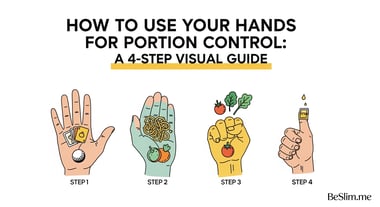
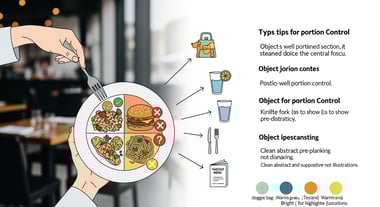
Transitioning to the Mediterranean diet as a beginner requires a structured roadmap. This 7-day meal plan serves as your Phase 1 introduction, focusing on simple, accessible recipes to build habits. Each day includes breakfast, lunch, dinner, and snacks, totaling around 1,800-2,200 calories (adjust based on needs). Emphasize portion control: use a plate method where half is veggies, a quarter protein, and a quarter whole grains. Hydrate with water or herbal tea, and incorporate moderate activity like walking.
The plan is evidence-based, drawing from studies showing the diet's role in reducing inflammation and supporting weight loss. For sustainability, track progress in a journal and aim to repeat or expand this cycle in Phase 2 (Weeks 2-4), gradually adding variety like more herbs or fermented foods.
Day 1: Focus on Fruits and Veggies
- Breakfast: Greek yogurt topped with fresh berries, a handful of almonds, and a drizzle of honey (provides probiotics and antioxidants).
- Lunch: Grilled vegetable salad with tomatoes, cucumbers, olives, feta cheese, and olive oil dressing; pair with whole-grain pita.
- Dinner: Baked salmon with lemon, garlic, and herbs, served with quinoa and steamed broccoli.
- Snacks: Apple slices with a few walnuts; carrot sticks with hummus.
- Daily Tip: Aim for 5 servings of fruits/veggies to kickstart fiber intake.
Day 2: Incorporate Whole Grains
- Breakfast: Oatmeal cooked with almond milk, topped with sliced banana and chia seeds.
- Lunch: Chickpea salad with mixed greens, cherry tomatoes, red onion, and a tahini-lemon dressing.
- Dinner: Whole-wheat pasta with tomato sauce, spinach, and grilled chicken breast.
- Snacks: Pear and a small piece of dark chocolate; cucumber with tzatziki.
- Daily Tip: Swap refined grains for whole ones to stabilize blood sugar, as per Mediterranean diet principles.
Day 3: Emphasize Healthy Fats
- Breakfast: Avocado toast on whole-grain bread with poached eggs and a sprinkle of feta.
- Lunch: Tuna salad with mixed greens, artichokes, capers, and olive oil vinaigrette.
- Dinner: Vegetable stir-fry with eggplant, zucchini, bell peppers, and tofu, over brown rice.
- Snacks: Handful of pistachios; orange segments.
- Daily Tip: Use olive oil as your primary fat source for heart-protective benefits.
Day 4: Lean Proteins Day
- Breakfast: Smoothie with spinach, banana, Greek yogurt, and flaxseeds.
- Lunch: Lentil soup with carrots, celery, and a side of whole-grain bread.
- Dinner: Grilled turkey skewers with onions, tomatoes, and a yogurt sauce, served with couscous.
- Snacks: Grapes and a few cheese cubes; celery with almond butter.
- Daily Tip: Prioritize plant-based proteins to reduce saturated fat intake.
Day 5: Seafood Spotlight
- Breakfast: Whole-grain toast with ricotta cheese, sliced tomatoes, and basil.
- Lunch: Shrimp salad with arugula, avocado, and citrus dressing.
- Dinner: Baked cod with herbs, potatoes, and a green bean medley.
- Snacks: Mixed berries; a small yogurt parfait.
- Daily Tip: Include fatty fish twice a week for omega-3s, supporting brain health.
Day 6: Plant-Based Power
- Breakfast: Chia pudding made with almond milk, topped with kiwi and pumpkin seeds.
- Lunch: Falafel wrap in whole-wheat tortilla with lettuce, tahini, and veggies.
- Dinner: Stuffed bell peppers with quinoa, black beans, tomatoes, and herbs.
- Snacks: Apple with peanut butter; cherry tomatoes.
- Daily Tip: Experiment with herbs like oregano and rosemary for flavor without salt.
Day 7: Reflection and Variety
- Breakfast: Eggs scrambled with spinach, mushrooms, and whole-grain toast.
- Lunch: Caprese salad with mozzarella, tomatoes, basil, and balsamic glaze.
- Dinner: Vegetable paella with saffron, peas, artichokes, and optional chicken.
- Snacks: Handful of trail mix (nuts and dried fruit); herbal tea with lemon.
- Daily Tip: Review the week—note what worked and plan variations for ongoing adherence.
This phased approach builds momentum: Days 1-3 introduce basics, Days 4-7 add diversity. For Phase 2, extend to 14 days by rotating recipes and incorporating red wine (1 glass/day for adults, if appropriate). Backed by Mayo Clinic guidelines on Mediterranean meal planning, this plan can improve insulin sensitivity and reduce chronic disease risk.
Risk Management: Potential Side Effects and Contraindications
While the Mediterranean diet is generally safe and sustainable, it's not without risks. Explicit warnings include:
- Digestive Issues: High fiber from fruits, veggies, and grains may cause bloating, gas, or constipation initially. Contraindicated for those with irritable bowel syndrome (IBS) without medical advice.
- Allergen Concerns: Nuts, seafood, and dairy are staples; avoid if allergic, and substitute appropriately (e.g., seeds for nuts).
- Nutrient Gaps: Low in calcium if dairy is limited; vegans may need B12 supplements. Unsustainable for those with eating disorders, as it encourages mindful eating over restriction.
- Caloric Overload: Healthy fats can add calories—monitor portions to prevent weight gain.
- Medical Contraindications: Not ideal for kidney disease patients due to high potassium from produce, or those on blood thinners due to vitamin K in greens. Always consult a doctor, especially if pregnant, diabetic, or on medications.
Evidence from WHO healthy diet fact sheets underscores these risks, emphasizing personalization.
Common Pitfalls and How to Avoid Them
Even with a solid plan, beginners often stumble. Here's a strategic breakdown:
- Pitfall 1: Over-Reliance on Processed Foods – Many "Mediterranean" products are laden with sodium. Avoid by: Reading labels and choosing whole foods; prepare meals from scratch.
- Pitfall 2: Ignoring Portion Sizes – Unlimited olive oil or nuts can derail calorie goals. Avoid by: Using measuring tools initially and practicing the plate method.
- Pitfall 3: Lack of Variety Leading to Boredom – Repeating meals causes burnout. Avoid by: Rotating ingredients seasonally and experimenting with spices, as supported by dietary adherence studies.
- Pitfall 4: Skipping Physical Activity – The diet shines with movement. Avoid by: Adding 30 minutes of walking daily to enhance benefits.
- Pitfall 5: Unrealistic Expectations – Expecting overnight results. Avoid by: Setting gradual goals, like losing 1-2 pounds per week, and tracking non-scale victories like energy levels.
Addressing these proactively ensures long-term success.
3 Highly Actionable Tips for Immediate Start
To launch your Mediterranean journey today:
- Stock Your Pantry: Buy olive oil, whole grains, canned beans, and fresh produce—aim for 80% plant-based items to align with the diet's core.
- Meal Prep Basics: Spend 1 hour prepping veggies and proteins for the week, reducing daily decision fatigue and promoting adherence.
- Track and Adjust: Use a simple app to log meals and mood; review weekly to tweak for personal preferences, ensuring sustainability.
This guide equips you with a confident, evidence-based path forward. Implement strategically, and you'll harness the Mediterranean diet's proven power for lasting health.
References
- Long-term studies on cardiovascular risk reduction - ncbi.nlm.nih.gov
- Research from the Mayo Clinic on Mediterranean diet patterns - mayoclinic.org
- WHO healthy diet fact sheets - who.int


Medical Disclaimer
The content on this website is for informational and educational purposes only. It is not intended as medical advice and should not be relied upon as a substitute for consultations with qualified healthcare professionals who are familiar with your individual medical needs. Always seek the advice of your physician or other qualified healthcare provider with any questions you may have regarding a medical condition. Never disregard professional medical advice or delay in seeking it because of something you have read on this website.