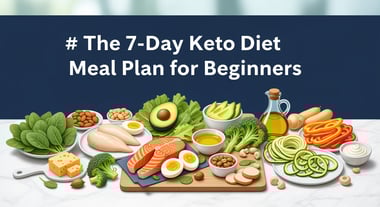
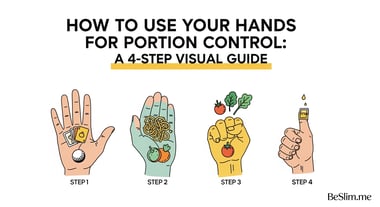
As Master Kim, the Strategic Roadmaps Architect for BeSlim.me, I'm here to provide a balanced, evidence-based analysis of low-carb dieting for beginners. This guide focuses on a practical 7-day meal plan designed to kickstart weight loss by reducing carbohydrate intake, promoting fat burning, and stabilizing blood sugar levels. Low-carb diets limit carbs to typically 20-100 grams per day, emphasizing proteins, healthy fats, and non-starchy vegetables. This approach is backed by clinical evidence showing potential for short-term weight loss, but it's not a one-size-fits-all solution. We'll explore pros and cons, a step-by-step implementation roadmap, risk management, and actionable tips to get started.
Remember, while low-carb diets can be effective, they may lead to side effects like fatigue, headaches, or nutrient deficiencies if not managed properly. Consult a healthcare professional before starting, especially if you have conditions like diabetes, kidney issues, or are pregnant. This plan is unsustainable long-term without personalization and may not suit everyone due to its restrictive nature.
Pros & Cons of Low-Carb Diets
To make an informed decision, here's a balanced overview of the advantages and drawbacks of low-carb diets, based on clinical insights.
| Aspect | Pros | Cons |
|---|---|---|
| Weight Loss | Rapid initial weight loss due to reduced water retention and fat burning. Low-carb diets can lead to greater short-term weight loss compared to low-fat diets. | Weight loss may plateau, and some regain occurs when carbs are reintroduced. |
| Blood Sugar Control | Stabilizes insulin levels, beneficial for those with prediabetes or type 2 diabetes. | Risk of hypoglycemia in diabetics on medication; requires medical supervision. |
| Appetite Management | High protein and fat content increases satiety, reducing overall calorie intake. | Initial "keto flu" symptoms like irritability and cravings can increase hunger temporarily. |
| Sustainability | Flexible for meat-eaters and can include tasty foods like avocados and nuts. | Restrictive for vegetarians or carb-lovers; long-term adherence is challenging, potentially leading to yo-yo dieting. |
| Health Impacts | May improve heart health markers like triglycerides in some individuals. Low-carb diets might reduce cardiovascular risk factors in obese adults. | Possible nutrient shortfalls (e.g., fiber, vitamins from grains); increased cholesterol in some cases. |
| Ease of Use | Simple rules: cut sugars and starches, focus on whole foods. | Requires meal planning and label reading; dining out can be tricky. |
This table highlights the strategic trade-offs. Low-carb diets excel in quick results but demand discipline to avoid pitfalls like metabolic slowdown from prolonged restriction.
Step-by-Step Implementation Guide
This roadmap is structured as a beginner-friendly 7-day meal plan (Phase 1: Kickstart Week), followed by guidance for extending it into Phase 2 (Maintenance and Adjustment). The plan caps daily carbs at 50 grams, prioritizing whole foods for nutrient density. Each day includes breakfast, lunch, dinner, and two snacks, with approximate calorie estimates (aim for 1,500-1,800 calories total, adjustable based on needs). Track carbs using an app like MyFitnessPal.
Portions are for one person; scale as needed. Focus on hydration (at least 8 glasses of water daily) and include light activity like walking. Evidence supports this structure: A low-carb diet can promote weight loss by enhancing fat oxidation and reducing hunger hormones.
Phase 1: 7-Day Kickstart Meal Plan
Day 1: Focus on Protein Power (Total Carbs: ~40g, Calories: ~1,600)
- Breakfast: Scrambled eggs (2) with spinach and feta cheese (200 calories, 5g carbs).
- Snack 1: Handful of almonds (150 calories, 6g carbs).
- Lunch: Grilled chicken salad with mixed greens, cucumber, olive oil dressing (400 calories, 10g carbs).
- Snack 2: Greek yogurt (plain, full-fat) with a few berries (150 calories, 8g carbs).
- Dinner: Baked salmon with broccoli and cauliflower (500 calories, 11g carbs).
- Tip: Emphasize healthy fats to curb hunger.
Day 2: Veggie Boost (Total Carbs: ~45g, Calories: ~1,550)
- Breakfast: Avocado toast on low-carb bread alternative (like almond flour) with eggs (250 calories, 8g carbs).
- Snack 1: Celery sticks with peanut butter (100 calories, 5g carbs).
- Lunch: Turkey lettuce wraps with cheese and tomatoes (350 calories, 12g carbs).
- Snack 2: Cottage cheese with cucumber slices (150 calories, 6g carbs).
- Dinner: Stir-fried beef with zucchini and bell peppers (500 calories, 14g carbs).
- Tip: Hydrate to flush out initial water weight.
Day 3: Seafood Emphasis (Total Carbs: ~38g, Calories: ~1,650)
- Breakfast: Omelet with mushrooms, onions, and cheese (220 calories, 7g carbs).
- Snack 1: Cheese sticks (100 calories, 2g carbs).
- Lunch: Tuna salad with mayo, celery, and greens (400 calories, 8g carbs).
- Snack 2: Handful of walnuts (180 calories, 4g carbs).
- Dinner: Grilled shrimp with asparagus and garlic butter (550 calories, 17g carbs).
- Tip: Monitor energy levels; add electrolytes if feeling fatigued.
Day 4: Meat-Free Option (Total Carbs: ~42g, Calories: ~1,500)
- Breakfast: Chia seed pudding with unsweetened almond milk and a dash of cinnamon (200 calories, 10g carbs).
- Snack 1: Hard-boiled eggs (140 calories, 1g carb).
- Lunch: Eggplant and zucchini stir-fry with tofu (350 calories, 15g carbs).
- Snack 2: Avocado half with salt (120 calories, 6g carbs).
- Dinner: Baked cod with green beans and olive oil (450 calories, 10g carbs).
- Tip: Incorporate variety to prevent boredom.
Day 5: High-Fat Focus (Total Carbs: ~48g, Calories: ~1,700)
- Breakfast: Full-fat yogurt parfait with nuts and seeds (250 calories, 10g carbs).
- Snack 1: Olives and cheese cubes (150 calories, 3g carbs).
- Lunch: Chicken Caesar salad (no croutons) with parmesan (400 calories, 12g carbs).
- Snack 2: Pork rinds with guacamole (200 calories, 8g carbs).
- Dinner: Steak with sautéed spinach and mushrooms (500 calories, 15g carbs).
- Tip: Track macros to stay under 50g carbs.
Day 6: Quick Prep Day (Total Carbs: ~35g, Calories: ~1,600)
- Breakfast: Smoothie with spinach, protein powder, and almond butter (200 calories, 5g carbs).
- Snack 1: Beef jerky (low-sugar) (120 calories, 4g carbs).
- Lunch: Cobb salad with bacon, eggs, and blue cheese (450 calories, 10g carbs).
- Snack 2: Bell pepper slices with hummus (limited portion) (150 calories, 8g carbs).
- Dinner: Pork chops with cabbage slaw (500 calories, 8g carbs).
- Tip: Prep meals in advance for consistency.
Day 7: Reflection and Adjust (Total Carbs: ~40g, Calories: ~1,550)
- Breakfast: Bacon and eggs with tomatoes (250 calories, 6g carbs).
- Snack 1: Macadamia nuts (180 calories, 5g carbs).
- Lunch: Shrimp ceviche with lime and cilantro (350 calories, 10g carbs).
- Snack 2: String cheese (80 calories, 1g carb).
- Dinner: Turkey stir-fry with broccoli and cauliflower rice (500 calories, 18g carbs).
- Tip: Weigh yourself and note how you feel; adjust portions if needed.
By the end of Week 1, you may lose 2-5 pounds, mostly water weight, with fat loss following. Transition to Phase 2 for sustainability.
Phase 2: Maintenance and Adjustment (Weeks 2-4)
- Week 2: Gradually increase carbs to 60-80g daily by adding small portions of fruits like berries or root veggies. Monitor weight and energy; aim for 1-2 pounds loss per week.
- Week 3: Incorporate exercise (e.g., 30-minute walks or strength training 3x/week) to boost metabolism. Experiment with recipes, like low-carb casseroles.
- Week 4: Reassess goals. If plateauing, cycle in a "carb-up" day (100g carbs) to prevent metabolic adaptation. Track progress with measurements, not just the scale.
This phased approach ensures gradual adaptation, reducing dropout risk.
Common Pitfalls and How to Avoid Them
Low-carb diets, while effective, come with challenges. Here's a strategic breakdown of common issues, with evidence-based avoidance tips. Remember, unsustainability is a key risk—long-term low-carb eating may lead to fatigue or disordered eating patterns without balance.
- Keto Flu Symptoms: Headaches, fatigue, and irritability from electrolyte loss in the first week. Avoid by: Supplementing with sodium, potassium (e.g., via broth or avocados), and staying hydrated. Contraindicated for those with kidney disease.
- Nutrient Deficiencies: Lack of fiber from grains can cause constipation; missing vitamins from fruits. Avoid by: Prioritizing leafy greens, nuts, and a multivitamin. Unsustainable if not monitored.
- Over-Reliance on Processed Foods: "Low-carb" snacks can be high in unhealthy fats. Avoid by: Sticking to whole foods and reading labels.
- Social and Lifestyle Barriers: Difficulty at events or with family meals. Avoid by: Planning alternatives and communicating goals.
- Weight Regain: Rapid loss often rebounds without lifestyle changes. Avoid by: Viewing this as a tool, not a quick fix, and transitioning to balanced eating.
Addressing these proactively enhances success rates.
3 Highly Actionable Tips for Immediate Start
To launch your low-carb journey today:
- Stock Your Kitchen: Clear out high-carb items like bread and pasta; buy eggs, meats, veggies, and nuts for easy access.
- Track Your Intake: Use a free app to log meals and carbs—aim for under 50g daily to build momentum.
- Set a Mini-Goal: Commit to the first 3 days without deviations, then reward yourself with a non-food treat like a walk in nature.
By following this guide, you'll have a strategic foundation for weight loss. Stay consistent, listen to your body, and adjust as needed for long-term results.
References


Medical Disclaimer
The content on this website is for informational and educational purposes only. It is not intended as medical advice and should not be relied upon as a substitute for consultations with qualified healthcare professionals who are familiar with your individual medical needs. Always seek the advice of your physician or other qualified healthcare provider with any questions you may have regarding a medical condition. Never disregard professional medical advice or delay in seeking it because of something you have read on this website.