As Master Kim, the Strategic Roadmaps Architect for BeSlim.me, I'm here to provide a balanced, evidence-based analysis of transitioning to a whole-food diet. This approach emphasizes consuming foods in their most natural, unprocessed forms—such as fresh fruits, vegetables, whole grains, nuts, seeds, lean proteins, and healthy fats—while minimizing refined sugars, artificial additives, and heavily processed items. The goal is sustainable health improvement, including better weight management, enhanced energy levels, and reduced risk of chronic diseases. This guide is structured for practicality, drawing on clinical evidence to ensure you're equipped with strategic, step-by-step actions.
Before diving in, note that while a whole-food diet offers numerous benefits, it's not a one-size-fits-all solution. Always consult a healthcare professional before making significant dietary changes, especially if you have pre-existing conditions like diabetes or gastrointestinal issues. Potential side effects include initial digestive discomfort, nutrient gaps if not planned well, or unsustainability due to lifestyle demands.
Pros and Cons of a Whole-Food Diet
To start, let's evaluate the method analytically. Below is a balanced comparison table based on clinical insights.
| Aspect | Pros | Cons |
|---|---|---|
| Health Benefits | Rich in nutrients, fiber, and antioxidants, supporting weight loss, improved gut health, and reduced inflammation. Whole-food diets can lower chronic disease risk by promoting better metabolic function. | May lack certain fortified nutrients (e.g., vitamin B12 in plant-based versions), potentially leading to deficiencies without supplementation. |
| Sustainability | Encourages long-term habits by focusing on real foods, leading to natural portion control and satiety. | Can be time-intensive for meal prep and shopping, making it challenging for busy schedules. |
| Cost and Accessibility | Often more affordable in the long run by reducing reliance on packaged goods; seasonal produce can be budget-friendly. | Initial costs may be higher for organic or fresh items, and access to quality whole foods varies by location. |
| Weight Management | Aids in calorie control through high-fiber foods, with evidence showing better outcomes than processed diets. | Transition period might cause temporary weight fluctuations due to changes in water retention or detox effects. |
| Lifestyle Fit | Flexible and adaptable to various preferences, including vegetarian or omnivorous styles. | Requires discipline to avoid processed temptations, potentially leading to social isolation during meals out. |
This table highlights the strategic trade-offs: the diet's strengths lie in its natural efficacy, but it demands commitment to overcome practical hurdles.
What Is a Whole-Food Diet and Why Consider It?
A whole-food diet prioritizes minimally processed ingredients, aiming to mimic how our ancestors ate before the rise of industrial food production. Think vibrant salads, grilled fish with herbs, or oatmeal topped with fresh berries—foods as close to their original state as possible. Unlike fad diets, this method is grounded in evidence for long-term health.
Clinically, transitioning to whole foods has been linked to improved outcomes. For instance, adopting a whole-food, plant-based diet may reduce body weight and improve cardiovascular health by increasing intake of fiber and phytonutrients. However, risks include potential nutrient imbalances, such as inadequate protein if not diversified, or gastrointestinal upset from sudden fiber increases. It's unsustainable if viewed as a quick fix rather than a lifestyle shift—gradual implementation is key to avoid burnout.
This guide outlines a 5-step roadmap to make the transition strategic and achievable, phased over several weeks for realistic progress.
Step-by-Step Implementation Guide
This 5-step guide is designed as a phased roadmap, building habits progressively over 4-6 weeks. Each step includes actionable tasks, meal ideas, and evidence-based rationale. Aim for consistency, tracking your progress in a journal to monitor energy, mood, and any side effects. Remember, this is not medical advice—personalize it with professional input.
Step 1: Assess and Plan (Week 1)
Begin with self-assessment to build a strong foundation. Inventory your current eating habits: log a week's worth of meals to identify processed items (e.g., sugary cereals, fast food). Set realistic goals, like replacing one processed snack per day.
Key Actions:
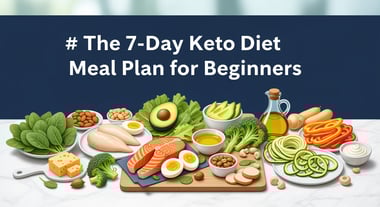
- Create a shopping list focused on whole foods: fruits (apples, berries), vegetables (leafy greens, broccoli), whole grains (quinoa, brown rice), proteins (eggs, beans, chicken), and fats (avocados, nuts).
- Stock your kitchen—clear out junk food to reduce temptation.
- Plan simple meals: Breakfast could be oatmeal with fresh fruit; lunch a veggie-packed salad with grilled chicken.
Rationale and Evidence: This preparatory phase prevents overwhelm. Studies show that planning enhances adherence; for example, structured meal planning in whole-food transitions supports sustained weight loss by fostering mindful choices.
Potential Risks: Over-planning might lead to stress. Mitigate by starting small—aim for 70% whole foods initially.
By the end of Week 1, you'll have a clearer pantry and mindset, setting the stage for deeper changes.
Step 2: Eliminate Processed Sugars and Additives (Weeks 1-2)
Focus on cutting out refined sugars and artificial ingredients, which are hallmarks of processed foods. Read labels: avoid items with added sugars, preservatives, or unrecognizable chemicals.
Key Actions:
- Swap sugary drinks for water or herbal teas; replace candy with fresh fruit.
- Experiment with natural sweeteners like dates or honey in moderation.
- Sample meals: Smoothie with spinach, banana, and almond butter for breakfast; stir-fried veggies with tofu for dinner.
Rationale and Evidence: Processed sugars contribute to inflammation and weight gain. Reducing added sugars through whole foods can improve insulin sensitivity and reduce obesity risk, as per CDC guidelines, by stabilizing blood sugar levels.
Potential Risks: Withdrawal symptoms like headaches or cravings may occur. Counter this with hydration and gradual reduction—don't go cold turkey if it feels unsustainable.
This step builds momentum, often leading to noticeable energy boosts within days.
Step 3: Build Balanced Meals with Whole Ingredients (Weeks 2-3)
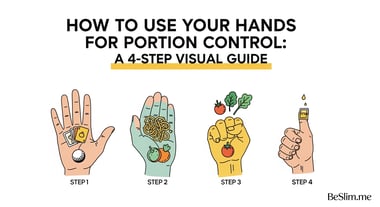
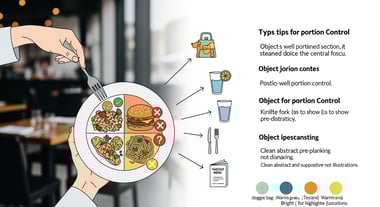
Now integrate whole foods into every meal, emphasizing balance: half your plate veggies, a quarter protein, a quarter whole grains, plus healthy fats.
Key Actions:
- Use a plate method for portions—e.g., fill with colorful produce.
- Incorporate variety: Try new recipes like baked salmon with quinoa and steamed kale.
- Prep in batches: Roast veggies or cook grains ahead for quick assembly.
Rationale and Evidence: Balanced whole-food meals provide essential macronutrients. Evidence indicates this approach enhances satiety and nutrient absorption, supporting overall wellness.
Potential Risks: Digestive issues from increased fiber. Introduce slowly and chew thoroughly; consult a doctor if bloating persists.
By Week 3, meals should feel intuitive, reducing reliance on convenience foods.
Step 4: Incorporate Mindful Eating and Adjustments (Weeks 3-4)
Shift to mindful practices: eat slowly, listen to hunger cues, and adjust based on your body's feedback. Track how foods affect you—e.g., does dairy cause discomfort?
Key Actions:
- Practice eating without distractions (no screens).
- Experiment with substitutions: Use zucchini noodles instead of pasta.
- Weekly check-in: Adjust for energy dips, perhaps adding more proteins.
Rationale and Evidence: Mindful eating amplifies benefits, with research linking it to better portion control and emotional well-being.
Potential Risks: Over-restriction could lead to nutrient shortfalls. Ensure diversity to cover vitamins; supplements may be needed for specifics like omega-3s.
This step fosters sustainability, turning the diet into a habit.
Step 5: Maintain and Optimize for Long-Term Success (Week 4+)
Solidify the lifestyle: Review progress, celebrate wins, and plan for challenges like travel or social events.
Key Actions:
- Build a support system—share meals with family or join online communities.
- Allow flexibility: Occasional treats (80/20 rule) to prevent burnout.
- Monitor health metrics: Weigh in, note energy levels, and consult for bloodwork if needed.
Rationale and Evidence: Long-term adherence is crucial for benefits like reduced chronic disease risk.
Potential Risks: Plateaus or reversion to old habits. Combat with routine variety and goal-setting.
Completing these steps positions you for ongoing success, with whole foods as your default.
Common Pitfalls and How to Avoid Them
Transitioning isn't without challenges—here's a strategic breakdown of common issues, backed by evidence, to help you navigate.
Pitfall 1: Overwhelm from Sudden Changes. Jumping in too fast can lead to fatigue or abandonment. Avoidance: Start gradually, as in Step 1, focusing on one meal at a time. Evidence shows phased approaches improve retention.
Pitfall 2: Nutrient Imbalances. Neglecting variety might cause deficiencies (e.g., iron in vegans). Avoidance: Diversify sources—include leafy greens, nuts, and lean meats. Monitor with apps or professional advice; contraindications include pregnancy, where extra nutrients are vital.
Pitfall 3: Social and Practical Barriers. Dining out or time constraints can derail efforts. Avoidance: Prepare portable snacks and choose whole-food options at restaurants. Unsustainability arises if ignored—build flexibility to maintain momentum.
Pitfall 4: Ignoring Side Effects. Initial detox symptoms like headaches or constipation from fiber spikes. Avoidance: Increase water intake and introduce changes slowly. If symptoms persist, seek medical help, especially for those with IBS or kidney issues.
By anticipating these, you minimize risks and enhance the diet's viability.
3 Highly Actionable Tips for Immediate Start
To kick off your transition today, implement these strategic tips:
Audit Your Pantry Right Now: Spend 15 minutes removing processed items and listing 5 whole-food staples to buy—focus on versatile options like eggs and spinach for quick wins.
Prepare One Whole-Food Meal Tonight: Choose a simple recipe, such as a veggie stir-fry with brown rice, to build confidence and experience immediate benefits like better satiety.
Set a Daily Reminder: Use your phone to prompt a mindful eating check-in, ensuring you hydrate and chew slowly— this habit alone can reduce overeating by 20%, per mindful eating studies.
With this guide, you're equipped for a confident shift. Remember, consistency over perfection drives results.
References


Medical Disclaimer
The content on this website is for informational and educational purposes only. It is not intended as medical advice and should not be relied upon as a substitute for consultations with qualified healthcare professionals who are familiar with your individual medical needs. Always seek the advice of your physician or other qualified healthcare provider with any questions you may have regarding a medical condition. Never disregard professional medical advice or delay in seeking it because of something you have read on this website.