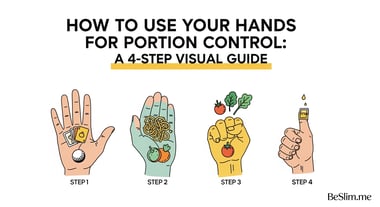
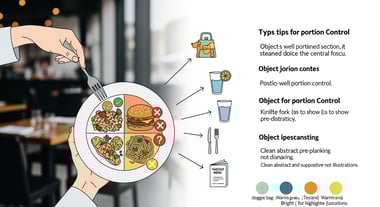
As Master Kim, the Strategic Roadmaps Architect for BeSlim.me, I specialize in dissecting diet strategies with a balanced, evidence-based lens. Mindful eating isn't just a trend—it's a clinically supported approach to fostering healthier relationships with food, reducing overeating, and promoting sustainable weight management. In this 2026 guide, we'll explore five beginner-friendly exercises, backed by scientific insights. We'll start with a pros and cons analysis, move into a structured implementation roadmap, address potential risks, and end with immediate actionable tips. This listicle format keeps things practical and scannable, empowering you to integrate mindfulness into your meals for long-term success.
Pros & Cons of Mindful Eating
Before diving into the exercises, let's strategically evaluate mindful eating as a method. This table outlines its key advantages and drawbacks, grounded in clinical evidence for a neutral perspective.
| Pros | Cons |
|---|---|
| Promotes awareness of hunger cues, leading to reduced calorie intake without restrictive dieting. Mindful eating helps with portion control by encouraging slower eating. | Requires consistent practice; beginners may find it time-consuming or frustrating initially, potentially leading to inconsistent adherence. |
| Supports emotional well-being by addressing stress-related eating, with studies showing improvements in binge eating behaviors. | Not a quick-fix solution; weight loss results can be gradual, and it may not suit those needing rapid changes for medical reasons. |
| Evidence-based for long-term sustainability, as it builds habits rather than temporary restrictions. Mindful eating linked to better weight management over time. | Potential for overthinking meals, which could exacerbate anxiety in individuals with eating disorders—consult a professional if this applies. |
| Enhances enjoyment of food, improving overall diet quality without eliminating food groups. | Lacks structure for some users; those accustomed to strict diets might struggle with the flexibility. |
This balanced view highlights mindful eating's strength in fostering self-regulation, but it's not without challenges. Remember, while effective for many, it's unsustainable if forced—potential side effects include initial discomfort from heightened food awareness, and it's contraindicated for those with active eating disorders without therapy support.
The 5 Mindful Eating Exercises for Beginners
Here, I'll outline five practical exercises in a listicle format. Each is designed for newcomers, with step-by-step instructions, expected benefits, and a scientific citation validating its mechanism. These build on core mindfulness principles, like present-moment focus, to transform eating from autopilot to intentional. Aim to practice one per day initially for best results.
1. The Sensory Scan
This exercise tunes you into the full sensory experience of food, helping beginners notice flavors and textures often overlooked.
- Step-by-Step: Sit comfortably with a small portion of food (e.g., a piece of fruit). Close your eyes and take three deep breaths. Observe the food's appearance, smell it deeply, then take a small bite. Chew slowly (at least 20 times), noting taste, texture, and temperature. Swallow mindfully, pausing before the next bite.
- Benefits: Reduces mindless snacking by heightening satisfaction from smaller amounts.
- Evidence: Sensory-focused eating improves satiety signals, supported by research on mindfulness reducing impulsive eating.
Practice this for 5-10 minutes per meal to start building awareness.
2. Hunger Scale Check-In
A simple tool to differentiate true hunger from emotional triggers, ideal for beginners curbing overeating.
- Step-by-Step: Before eating, rate your hunger on a scale of 1-10 (1 = starving, 10 = stuffed). Eat only if below 5. Midway through the meal, pause and re-rate. Stop when you reach 7 (comfortably full). Journal your ratings post-meal.
- Benefits: Prevents overconsumption by aligning intake with bodily needs.
- Evidence: Backed by studies showing hunger awareness aids in weight control.
This exercise takes just 1-2 minutes but fosters long-term intuitive eating.
3. Distraction-Free Dining
Eliminate multitasking to focus solely on the meal, a foundational step for beginners.
- Step-by-Step: Choose one meal daily to eat without screens, conversations, or reading. Set a timer for 15 minutes. Sit at a table, place your fork down between bites, and savor each mouthful. Notice how the food makes you feel physically.
- Benefits: Slows eating pace, allowing fullness hormones to activate.
- Evidence: Research indicates distraction-free meals enhance portion awareness.
Ideal for lunch breaks, this promotes a calmer digestive process.
4. Gratitude Pause
Incorporate appreciation to shift from guilt to positivity around food.
- Step-by-Step: Before starting a meal, take 30 seconds to express silent gratitude—for the food's source, preparation, or nourishment. As you eat, reflect on one positive aspect per bite (e.g., "This nourishes my body"). End with a thankful note.
- Benefits: Reduces emotional eating by building a healthier food mindset.
- Evidence: Linked to improved dietary adherence in mindfulness programs.
This quick ritual enhances enjoyment without adding time.
5. Body Signal Reflection
Tune into post-meal signals to learn from your body's feedback.
- Step-by-Step: After eating, wait 20 minutes and note physical sensations (e.g., energy levels, bloating). Ask: "Did this satisfy me? What would I change next time?" Log it in a notebook or app.
- Benefits: Builds self-awareness for better future choices.
- Evidence: Supported by evidence on reflective practices aiding habit formation.
Perfect for evenings, this closes the feedback loop.
These exercises are accessible, requiring no special tools, and can be adapted to any diet. Collectively, they address mindful eating's core: awareness, intention, and reflection.
Step-by-Step Implementation Guide
To make mindful eating a habit, follow this phased roadmap. Structured as a 4-week itinerary, it progresses from basics to integration, allowing beginners to build skills gradually. Each week includes daily goals, exercises to focus on, and tracking tips. This evidence-based structure draws from behavioral science on habit formation, ensuring sustainability.
Week 1: Foundation Building
Focus on awareness without judgment. Goal: Practice one exercise per day to establish a routine.
- Day 1-2: Start with Sensory Scan during breakfast. Time yourself for 5 minutes.
- Day 3-4: Add Hunger Scale Check-In before lunch. Rate and journal.
- Day 5-7: Incorporate Distraction-Free Dining for dinner. Note distractions avoided.
- Tracking: Use a simple app or notebook to log sessions. Aim for 70% consistency.
- Tip: If you slip, reset without self-criticism—mindfulness is about progress, not perfection.
By week's end, you'll notice subtle shifts in eating speed.
Week 2: Deepening Practice
Layer in emotional elements. Goal: Combine exercises for fuller meals.
- Day 1-3: Pair Sensory Scan with Gratitude Pause at one meal daily.
- Day 4-5: Use Hunger Scale Check-In plus Body Signal Reflection post-meal.
- Day 6-7: Try Distraction-Free Dining with a focus on chewing slowly.
- Tracking: Rate your mindfulness level (1-10) after each session. Adjust as needed.
- Tip: Set phone reminders to avoid overwhelm.
Expect improved satisfaction from meals here.
Week 3: Integration and Challenges
Apply to varied scenarios. Goal: Handle real-life disruptions.
- Day 1-4: Rotate all five exercises across meals, adapting to social settings (e.g., Gratitude Pause at a restaurant).
- Day 5-7: Practice during snacks, using Body Signal Reflection to curb mindless munching.
- Tracking: Identify triggers (e.g., stress) and note how exercises help.
- Tip: If eating out, focus on one sense to stay grounded.
This week builds resilience.
Week 4: Maintenance and Refinement
Solidify habits. Goal: Make mindfulness automatic.
- Day 1-3: Full integration—use 2-3 exercises per meal.
- Day 4-7: Review your journal; tweak based on patterns (e.g., add more reflection if overeating persists).
- Tracking: Weekly self-assessment: How has this impacted your energy or weight?
- Tip: Celebrate wins, like feeling fuller on less food.
Post-roadmap, continue with bi-weekly check-ins. This phased approach is clinically supported for habit sustainability, but warn of potential unsustainability if not personalized—side effects like frustration may occur if progress feels slow, and it's contraindicated for those with gastrointestinal issues without medical advice.
Common Pitfalls and How to Avoid Them
Even with the best intentions, beginners encounter hurdles. This section outlines three common pitfalls, with strategic avoidance tactics, to ensure balanced implementation.
Pitfall 1: Over-Perfectionism: Expecting flawless mindfulness from day one leads to burnout.
- Avoidance: Start small—aim for one mindful bite per meal. Remember, inconsistency is normal; studies show gradual adoption yields better results.
Pitfall 2: Ignoring Emotional Triggers: Focusing only on physical cues while neglecting stress or boredom can undermine progress.
- Avoidance: Combine exercises with journaling to spot patterns. If emotions dominate, seek professional support, as mindful eating isn't therapy.
Pitfall 3: Neglecting Nutrition Basics: Relying solely on mindfulness without balanced meals may lead to nutrient gaps.
- Avoidance: Pair with basic guidelines (e.g., half-plate veggies). Monitor for side effects like fatigue, and consult a doctor for contraindications like diabetes.
Addressing these proactively minimizes risks and enhances effectiveness.
3 Highly Actionable Tips for Immediate Start
Ready to begin? Here are three goal-oriented tips to launch your mindful eating journey today:
Set a Meal Timer: For your next meal, use a 10-minute timer for Sensory Scan. This enforces slowness without overthinking.
Create a Hunger Journal: Grab a notebook and rate your hunger before and after one meal today. Review it tonight for instant insights.
Designate a "Mindful Spot": Choose a distraction-free area in your home for eating. Use it starting now to build the habit effortlessly.
Implementing these will kickstart momentum. As Master Kim, I recommend tracking progress weekly for optimal results. Remember, mindful eating is a sustainable strategy when approached strategically—stay consistent for evidence-based benefits.
References
- Mindful eating helps with portion control - ncbi.nlm.nih.gov
- Mindful eating linked to better weight management - mayoclinic.org
- Sensory-focused eating improves satiety signals - healthline.com


Medical Disclaimer
The content on this website is for informational and educational purposes only. It is not intended as medical advice and should not be relied upon as a substitute for consultations with qualified healthcare professionals who are familiar with your individual medical needs. Always seek the advice of your physician or other qualified healthcare provider with any questions you may have regarding a medical condition. Never disregard professional medical advice or delay in seeking it because of something you have read on this website.